If you are thinking about downsizing in Palm Beach County, a villa offers one of the most popular and balanced ways to make the change: a smaller, usually single-story home with private space, while the community takes care of most exterior upkeep.
In this guide, I cover what villas are, why they appeal to downsizing homeowners, how they compare to condos and townhomes, where villa communities are common in Palm Beach County, what to review before you make an offer, and a practical checklist for your search.
Hi, I am Rhonda Townsend, REALTOR(r) with 1st Real Estate Solution Inc. and an AI Certified Agent. For more than 12 years I have helped Palm Beach County homeowners navigate the downsizing process, including many clients who chose a villa as their next home. This guide brings together what I have learned from those moves, so you can decide whether a villa belongs on your shortlist.
Key Takeaways
- Villas are usually single-story, attached or semi-detached homes with exterior maintenance handled by a community association.
- They offer a middle path between the low-maintenance convenience of a condo and the privacy of a single-family home.
- Palm Beach County has villa communities across many towns, from Boynton Beach to Wellington, with different price ranges and lifestyles.
- Before you buy, review the association budget, reserves, rules, and insurance situation, not just the monthly fee.
- A local Realtor can help you compare villas against condos, townhomes, and single-story homes to find the right fit for your next chapter.
What Exactly Is a Villa in Palm Beach County?
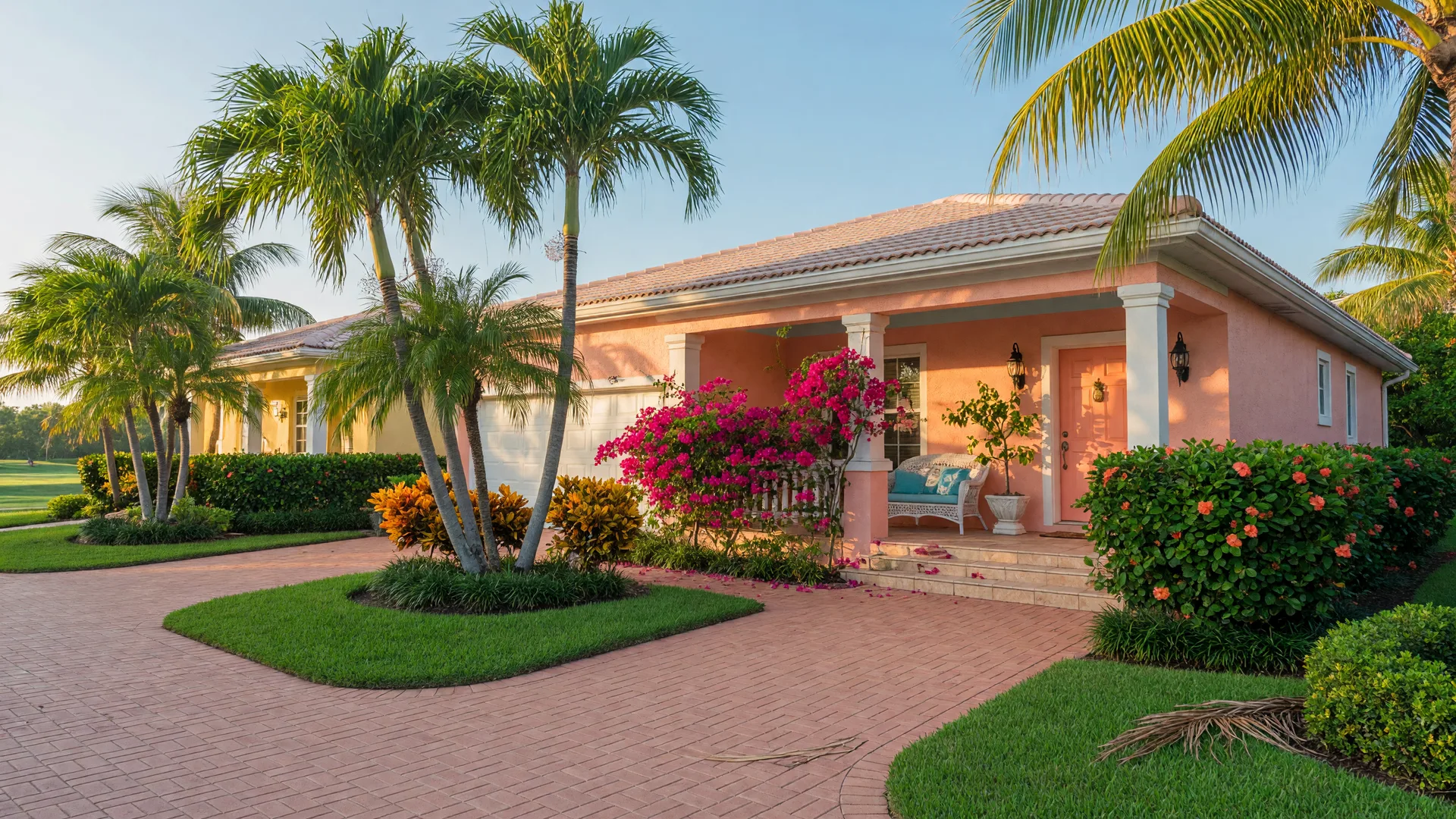
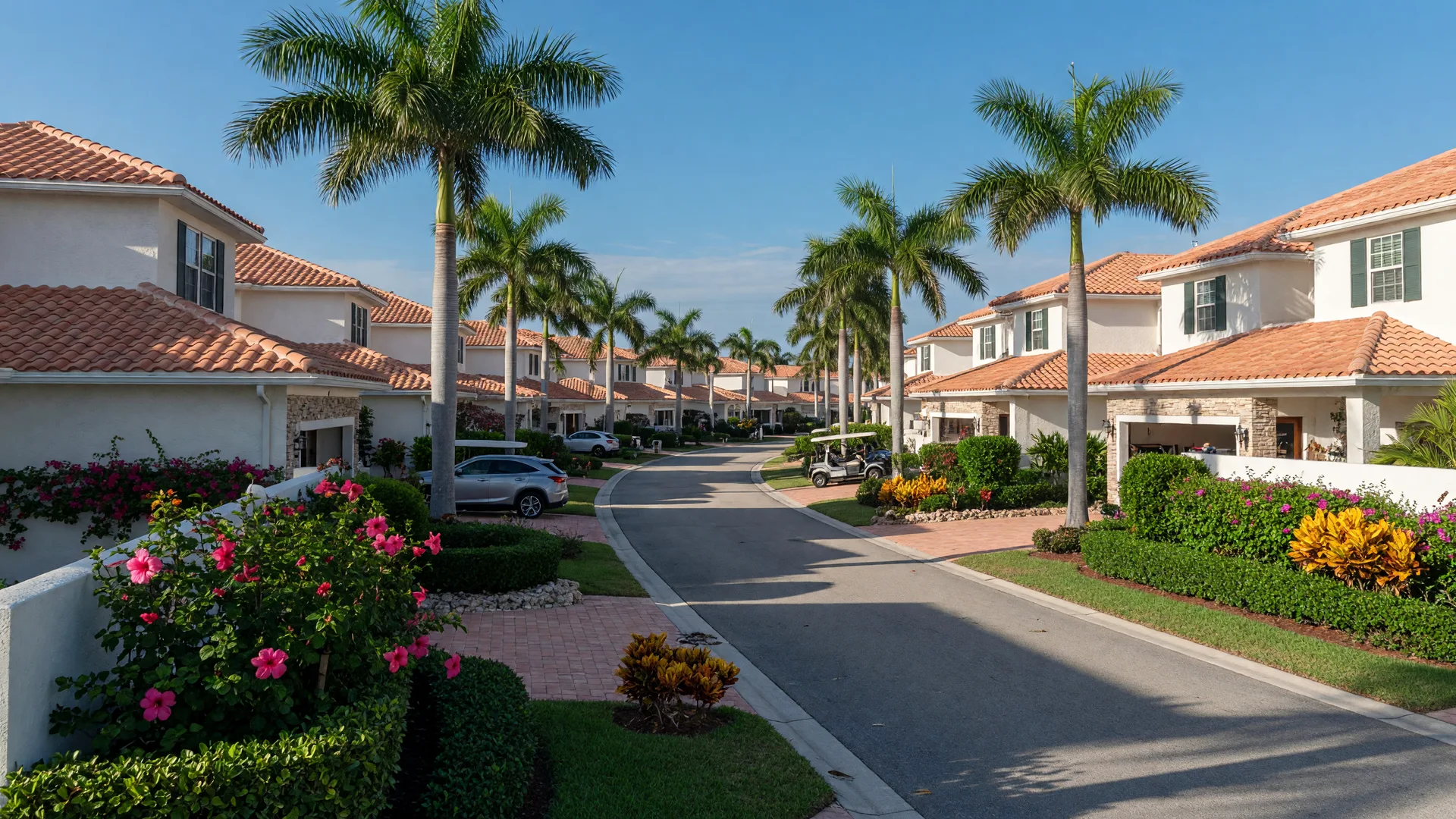
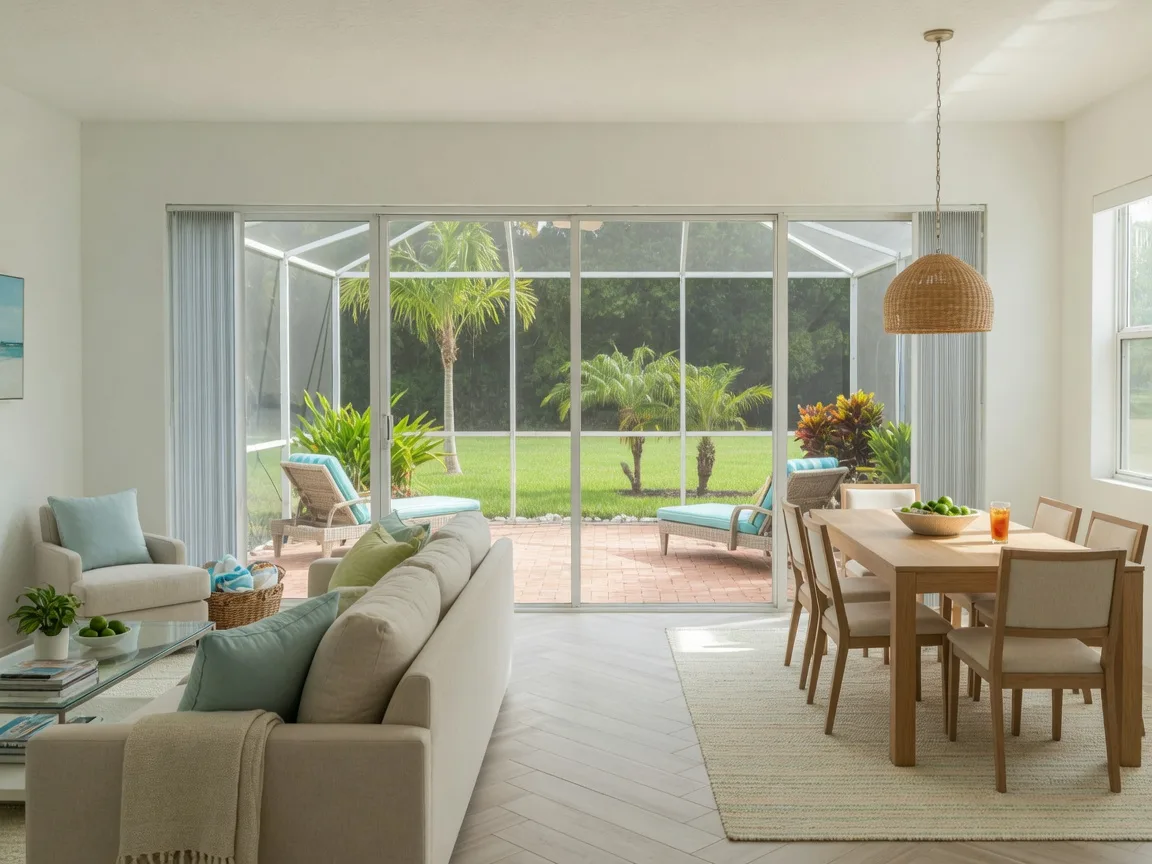
In Palm Beach County real estate, a villa is typically a single-story, attached or semi-detached home with a private entrance, a small yard or patio, and a manageable footprint. Villa communities are usually managed by a homeowners association that handles exterior maintenance, landscaping, roof upkeep, and common areas, which is a large part of their appeal for downsizing homeowners.
Villas are often described as sitting between a condo and a single-family home. Unlike a condo, you own the structure and the land beneath it in most villa communities, along with responsibilities spelled out in the community documents. Unlike a detached single-family home, you do not have to maintain the exterior, mow the lawn, or paint the trim yourself. You get the feeling of owning a home with much less of the work.
Floor plans vary. Many villas are one level, which is why they pair naturally with our guide to single-story homes for downsizers. Others have a second level or an open great-room layout. Some have a garage, a screened lanai, or a small fenced yard, depending on the community and the individual home.
Why Do Downsizing Homeowners Choose Villas?
Every downsizing move is personal, but villa living tends to answer a set of goals that homeowners describe again and again:
- Less exterior upkeep. The association handles most exterior maintenance, so you can spend weekends on the things you enjoy instead of yard work.
- Single-story convenience. Most villas are built on one level, which makes everyday life easier and gives you the option of aging in place without stairs.
- More privacy than a typical condo. Your own private entrance, often your own outdoor space, and usually no shared interior walls with neighbors above or below.
- Lower costs than a larger house. A smaller footprint often means lower purchase price, smaller utility bills, less furniture to buy, and lower insurance exposure than a large two-story home.
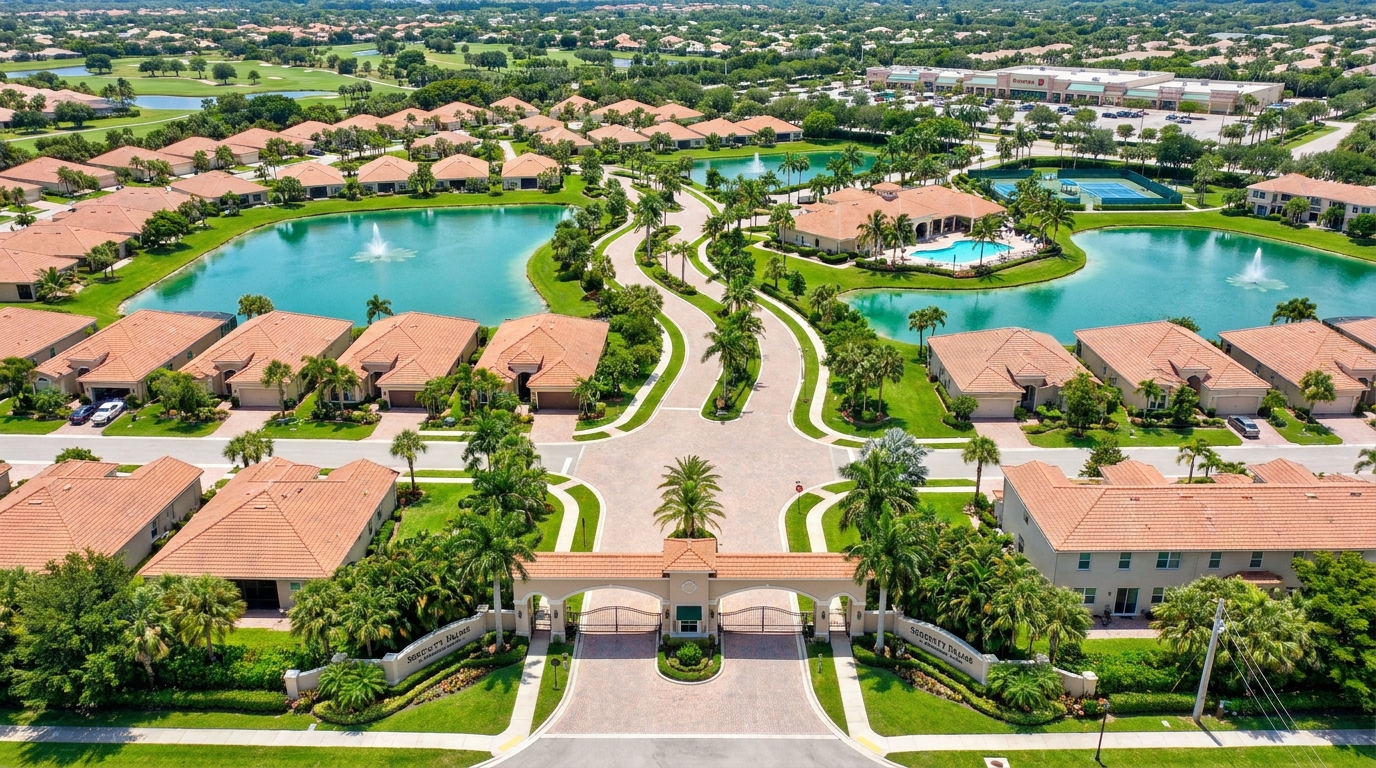
- Built-in community. Villa communities often include pools, clubhouses, walking paths, and organized activities, making it easy to meet neighbors without leaving home.
How Do Villas Compare to Condos, and Townhomes?
If you are deciding between the main low-maintenance home types, it helps to see them side by side:
- Condos: A unit within a larger building, with shared walls, common amenities, and association-managed maintenance. You typically pay fees that cover building insurance and common areas. Condos tend to offer the least exterior responsibility and the most shared amenities.
- Villas: An attached or semi-detached ground-level home with your own entrance, often your own outdoor space, and association-managed exterior upkeep. Villas tend to feel more like a house than a condo while still being low maintenance.
- Townhomes: Multi-level attached homes with private entrances. You usually maintenance expectations for the exterior vary by community, and the layout includes stairs. Townhomes work well for homeowners who want more square footage or a second level but who are comfortable with steps.
Your maintenance tolerance, budget, privacy preference, and whether stairs are a concern will point you toward one type or another. For a deeper breakdown, read our condo versus villa versus townhome comparison. And if a larger building with shared amenities is on your shortlist, the dedicated condo guide walks through the fees, documents, and building-safety checks that matter before you make an offer.
Where Are Villa Communities Common in Palm Beach County?
Villa communities are spread across Palm Beach County, from the northern towns to the south, with different personalities, and price ranges. Here are a few places downsizing homeowners frequently find villa options:
Boynton Beach. The city has many established villa and active adult communities, several of them gated and maintenance-included. A quieter, value-focused coastal town, it draws downsizers who want amenities without the premium price tags of the beach cities. See our Boynton Beach downsizing guide for a full look.
Delray Beach. Known for its walkable downtown and lively cultural scene, Delray Beach also has villa communities in established neighborhoods west of the downtown core. It suits homeowners who want easy access to arts, dining, and the beach. Our Delray Beach community page has more detail.
Wellington. A planned village with extensive equestrian amenities, parks, walking trails, and shopping, Wellington includes villa, and patio home communities among its many neighborhoods. It appeals to homeowners who love the outdoors and want a well-kept, active community surroundings. Explore our Wellington community page.
Lake Worth and West Palm Beach. Both offer villa options at a range of price points, with Lake Worth Beach leaning toward older, character-rich neighborhoods and West Palm Beach offering villa options close to urban conveniences. For a closer look, read our West Palm Beach downsizing guide.
This is not a complete list, and the right community depends on your priorities: walkability, waterfront access, cost, clubhouse amenities, or proximity to family and healthcare. Our community guides cover many more towns across the county.
What Should You Review Before Buying a Villa?
Because villa living depends so much on the community around your home, the documents and finances of the association deserve as much attention as the floor plan itself. Here is what I recommend reviewing before you make an offer:
Association budget and reserves. Ask for the recent budget, financial statements, and reserve study. A healthy reserve fund means fewer surprise special assessments down the road. Florida law sets specific reserve, and inspection requirements for condominiums; your Realtor, and association representatives can help you understand what applies to a particular villa community.
Monthly fees and what they cover. Fees vary widely by community, amenities, and services. Understand exactly what your fee includes: exterior painting, roofing, landscaping, trash, water, cable, pool maintenance, or gate security. Fee increases are normal, so consider whether the current fee fits your budget with a little room to grow. Our guide to HOA fees and condominium associations explains what to look for in more detail.
Rules and restrictions. Review the governing documents for rental restrictions, pet rules, age-qualification requirements, architectural guidelines, and how major changes are approved. Some villa communities are legally designated age-restricted communities, which means eligibility is set by the community under federal, state, and local housing laws. If that type of community matters to you, confirm the designation and requirements directly with the community before you rely on them in your search.
Insurance picture. Understand what the master association policy covers and what you need as an individual owner, such as a homeowner's policy for your personal property and improvements. Florida property insurance costs have risen, so it pays to get current quotes for the specific community before you commit. You can review resources from the Florida Office of Insurance Regulation to understand coverage basics.
Physical condition. Have the villa inspected by a licensed professional, including the roof, HVAC, plumbing, and electrical systems, plus the community amenities you will rely on. Knowing the age and condition of major systems helps you budget realistically.
The Villa Downsizing Checklist
Here is a practical checklist to guide your villa search in Palm Beach County:
- Clarify your budget, including purchase price, closing costs, monthly fees, insurance, and taxes.
- Decide which communities, and towns match your lifestyle, from walkable downtowns to quiet gated neighborhoods.
- Shortlist villa communities, and drive through each at different times of day to gauge traffic, noise, and overall feel.
- Compare villa versus condo versus townhome trade-offs using our home type comparison.
- Request association documents for any community you seriously consider: budget, reserves, rules, minutes, and insurance summary.
- Get current insurance quotes, and a tax estimate from the Palm Beach County Property Appraiser.
- See villas in person before deciding; photos do not show how a neighborhood feels.
- Plan your timing: whether you sell your current home first or buy first affects your move, your financing, and your stress level. Our sell, and buy strategy guide walks through both paths.
For a complete, room-by-room move plan, pair this with our ultimate downsizing checklist.
Should You Sell Your Current Home Before Buying a Villa?
Most downsizing homeowners benefit from knowing exactly how much equity they have before they shop for a villa, which points toward selling first. But some prefer the certainty of a new home secured before listing their current one. Both paths can work; the key is planning the coordination so you avoid carrying two properties or needing temporary housing for longer than you want.
Bridge financing, negotiated closing dates, lease-backs, and temporary storage are tools that can help bridge the gap. I walk clients through these choices regularly, tailoring the plan to their timeline, and risk comfort. For a full look at the coordination involved, see our sell, and buy strategy guide, and the financing your next home guide covers the money side of the decision.
How Rhonda Townsend Helps You Find the Right Villa
Finding the right villa is about matching a home, a community, and a budget to the way you want to live. That is where local experience matters. I help downsizing clients:
- Understand what their current home is likely worth before they start shopping.
- Compare villa communities, fees, reserves, and amenities across the towns you like.
- See homes that match your priorities, from quiet single-story villas to gated communities with clubhouse living.
- Negotiate the purchase, and coordinate the sale of your current home with one team managing both sides.
- Coordinate with inspectors, lenders, title, insurers, and movers so closing day goes smoothly.
Explore our home options page to see how villas compare with other property types, and browse the Downsizing Resource Center for more guides across every stage of the move.
If you have been wondering whether a villa has a place in your next chapter. The best next step is a conversation. Schedule your FREE Downsizing Consultation today. We will talk through your goals, your budget, and what your current home may be worth, with no pressure, and no obligation. You can also download the free Palm Beach County Downsizing Guide for a complete step-by-step resource, or reach out directly at any time.
Frequently Asked Questions
Are villas the same as condos in Palm Beach County?
No. A condo is a unit within a larger building, while a villa is typically a single-story, attached or semi-detached home with its own entrance and often its own outdoor space. Both are usually association-managed, but villas tend to feel more like a private home. Our comparison guide lays out the differences clearly.
Are villas always single-story?
Most villas in Palm Beach County are single-story, but some communities offertwo-level plans with an upstairs bedroom. If one-level living matters to you, make it a filter in your search, and confirm the floor plan with the listing details. The single-story homes guide covers why that layout appeals to many downsizers.
Do villa communities have monthly HOA fees?
Most do. Fees typically cover exterior maintenance, landscaping, common areas, and community amenities, with the exact coverage varying by community. Ask for the full association financial picture, including reserves, so you can budget beyond justthe monthly fee. Our HOA fees guide explains what to review.
Are there waterfront villa communities in Palm Beach County?
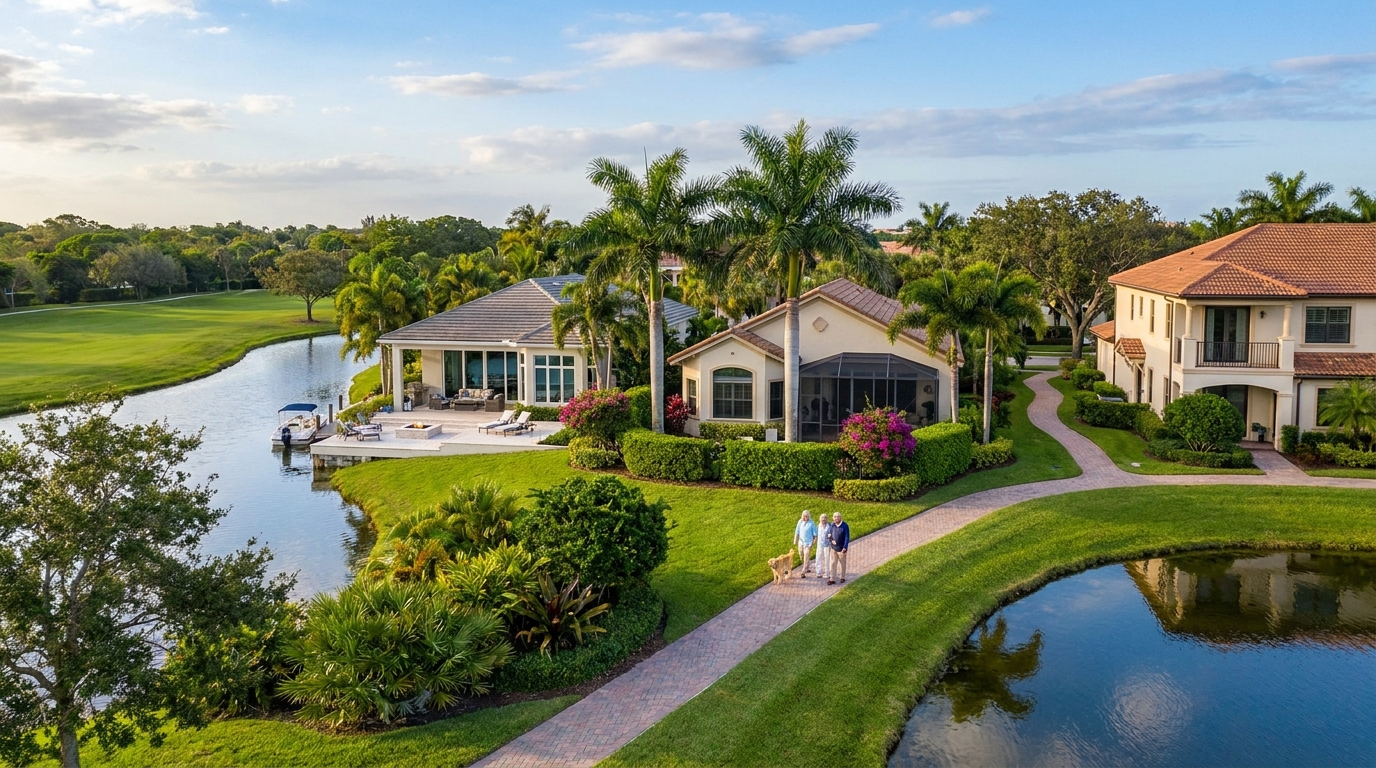
Yes. Some villa communities sit along canals, lakes, and the Intracoastal Waterway, with some homes offering direct dock access. Waterfront villas combine single-story, association-managed living with water views, and easy boating. Our waterfront downsizing guide covers these communities in detail.
Sources
- National Association of Realtors
- Florida Realtors Market Reports
- Palm Beach County Government
- Palm Beach County Property Appraiser
- Florida Office of Insurance Regulation
Disclaimer
This article is for general educational, and real estate information purposes only. It does not provide legal, tax, financial, or insurance advice. Villa communities, association fees, rules, and insurance requirements vary. Always review current association documents, obtain current quotes from qualified professionals, and consult licensed advisors for guidance specific to your situation.
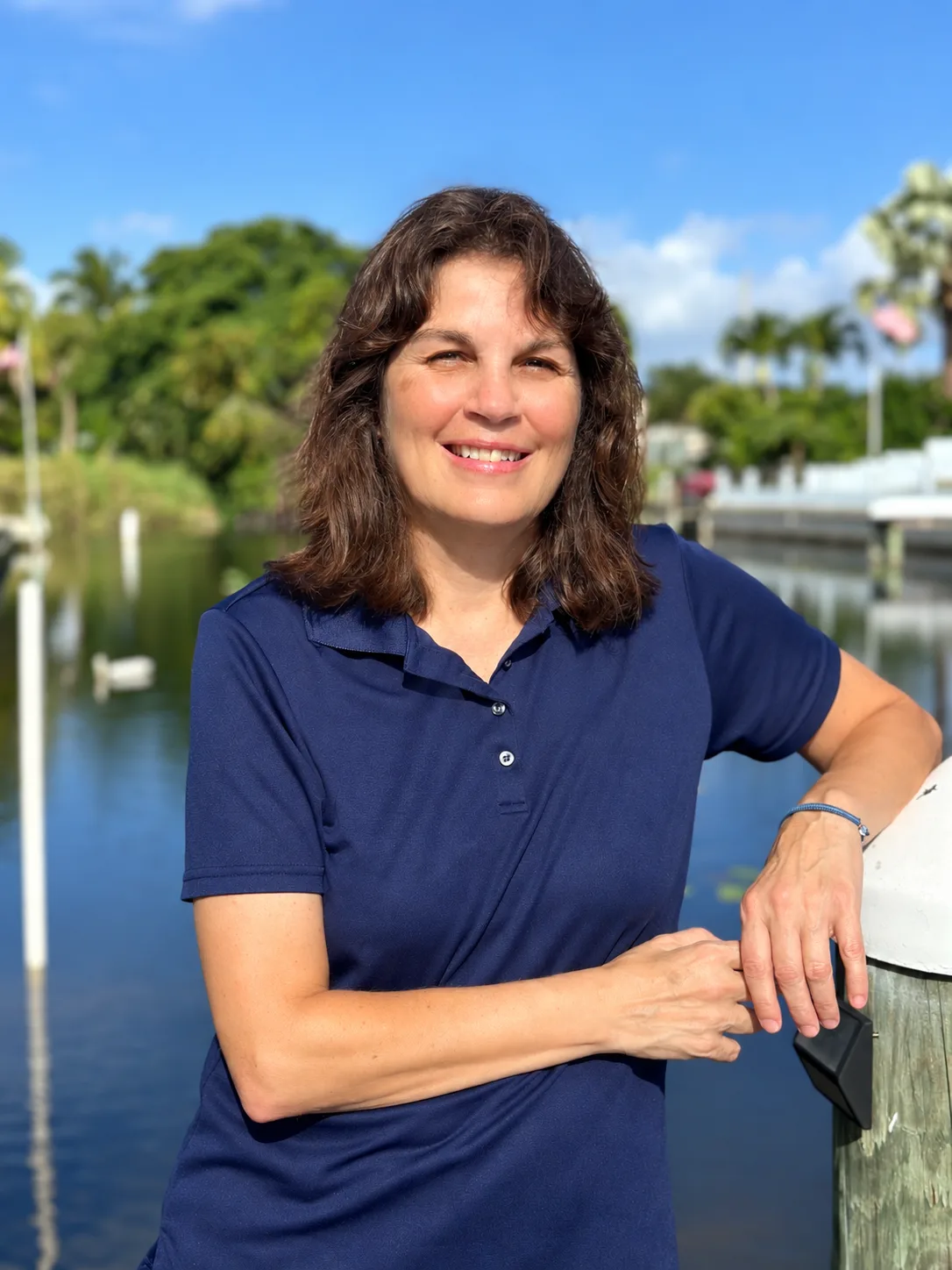
Written by Rhonda Townsend
1st Real Estate Solution Inc. Broker Associate · 12+ Years in Palm Beach County
Have questions about your downsizing journey? I'd love to have a conversation. No pressure, no obligation — just honest guidance from someone who understands.
Schedule a Free ConsultationRelated Reading
- Condo vs. Villa vs. Townhome: Choosing Your Next Home
- Single-Story Homes: A Complete Guide
- HOA Fees, Condo Associations, and Special Assessments
- The Complete Guide to Downsizing in Palm Beach County
- Best Communities for Downsizing in Palm Beach County
- Condos vs. Villas for Downsizers: How to Choose
- Townhomes for Downsizers: A Complete Guide