Financing your next home after downsizing in Palm Beach County works differently from buying a home for the first time. Most downsizers carry significant equity in their current home, so the biggest question is rarely whether they can afford a mortgage. It is far more often how to turn that equity into the right next purchase, at the right time, with the least stress.
This guide covers the financing paths available to downsizing buyers: paying cash from sale proceeds, conventional loans, FHA and VA loans, bridge loans, home equity lines of credit, and the practical steps to prepare your finances before you start house hunting in the Palm Beach County market.
I am Rhonda Townsend with 1st Real Estate Solution Inc., and I have spent more than 12 years helping homeowners throughout Palm Beach County plan downsizing moves. In that time, I have seen every combination of selling first, buying first, and juggling the two, and the financing path that works best almost always comes down to a few clear decisions. If you would like the full picture of the process, start with the complete Palm Beach County downsizing guide or browse the full downsizing resource library.
The goal of this article is simple: help you understand your options well enough to walk into a lender conversation and an offer negotiation with confidence. It is not a promise of specific rates or loan terms, because those change constantly and depend on your personal financial picture. It is an honest, practical framework for making the financing side of your move feel manageable.
What Are Your Financing Options When Downsizing in Palm Beach County?
Downsizing buyers typically choose from a smaller set of paths than first-time buyers, because equity changes the math. Here are the main options.
- Cash purchase. Use proceeds from your current home sale to buy the next home outright, avoiding a mortgage altogether.
- Conventional loan with a large down payment. Use sale proceeds for a 20 percent or larger down payment and finance the remainder.
- FHA loan. A loan insured by the Federal Housing Administration with a down payment as low as 3.5 percent for qualified buyers, including approved condos.
- VA loan. Zero down payment financing for eligible veterans,and qualifying spouses, including approved condo projects.
- Bridge loan. Short-term financing that lets you buy a new home before your current home sells.
- Home equity line of credit (HELOC. A revolving credit line secured by your current home that can help fund down payment or closing costs during the transition.
The right path depends on your equity position, your timeline, your income picture, and how competitive your offer needs to be. Let us look at each option more closely.
Should You Pay Cash for Your Next Home?
Many downsizers in Palm Beach County sell a larger home, pocket substantial equity,and choose to pay cash for their next condo, villa, or single-story home. A cash purchase has real advantages: no mortgage payment, no lender fees, no financing contingency,and an offer that may stand out to sellers in competitive communities.
That said, cash is not automatically the right choice for everyone. It is worth thinking through a few questions before committing your whole sale proceeds to a no-mortgage purchase.
- How much liquidity do you want to keep? A fully paid home is comfortable, but it also ties up a large share of your net worth in one asset. Many buyers prefer to keep a meaningful cash reserve for travel, healthcare, home repairs,and unexpected expenses.
- What does your overall plan look like? Income from investments can behave differently from equity locked in a home. Talking through the trade-off with a financial advisor you trust helps you decide how much of your proceeds to put into the home versus keep invested.
- Are you comfortable with the condition of the property? Paying cash does not change what a home inspection reveals. Budget for potential repairs, updates,and new appliances regardless of how you pay.
There is no single correct answer. I have had clients who paid cash happily,and clients who preferred a moderate mortgage tomaintain flexibility. Both can be smart. The key is making the choice on purpose, not by default.
How Does a Conventional Loan Work for a Downsize Purchase?
A conventional loan is the most common financed path for downsizing buyers. It is a mortgage not insured by the federal government, typically requiring a credit score in the low-to-mid 600 range or above, with better pricing for higher scores,and one conforms to Fannie Mae and Freddie Mac limits, which adjust periodically.
For retirees,and other buyers with limited earned income, lenders can underwrite a conventional loan using assets rather than paycheck income. These approaches, sometimes called asset-based or bank-statement underwriting, involve a lender reviewing retirement accounts, investment statements, or averaged deposits to establish qualifying income. If you draw from Social Security, a pension, an annuity, or retirement distributions, those documented income streams count toward qualification.
A few practical points for downsize buyers.
- Putting down 20 percent or more typically eliminates private mortgage insurance (PMI)and lowers your monthly payment.
- A full pre-approval, especially one that accounts for your eventual sale proceeds, gives you a realistic number to shop with if you are buying before your current home closes.
- In a condo or villa community, the lender will require that the project itself meets conventional eligibility standards, including owner-occupancy ratios, association budgets, reserves, insurance coverage,and litigation limits.
Loan limits, rates,and underwriting rules change over time. A local lender who works regularly with downsizing,and retirement buyers is the best resource for current details.
Are FHA or VA Loans Options for Condos, Villas,and Townhomes?
Yes,FHA and VA financing can work for downsizing buyers, including purchases in condo,and villa communities, but the property must meet extra requirements.
FHA loans allow a down payment as low as 3.5 percent with a credit score around 580 or above, but they carry mortgage insurance premiums. For a condo to be eligible, the project must be on the FHA approved list, or the unit must qualify under FHA spot approval rules. Approval lists change with recertification dates, so your lender should verify eligibility early in the process.
VA loans offer zero down payment financing,and no mortgage insurance for eligible veterans,and qualifying spouses. VA loans also require that a condo project be VA approved or meet single-unit approval criteria, including occupancy,and association financial standards. A funding fee varies by down payment,and service history, with some veterans exempt.
Both programs apply debt-to-income ratio guidelines,and association approvals, fee structures,and insurance requirements all differ from a conventional loan. If you are considering either program, mention it to your lender in your first conversation so they can verify project eligibility for the specific communities you love. For a deeper look at association costs, see our guide to HOA fees, condo associations,and special assessments.
What If You Need to Buy Before You Sell? Bridge Loans, HELOCs,and Contingency Offers
Buying your next home before your current one closes is the most common timing challenge in downsizing. Several tools can bridge the gap,and each has trade-offs.
Bridge loans are short-term loans, typically six to 12 months, secured by equity in your current home. They cover the down payment on your new home,and are repaid when your current home sells. Bridge financing usually carries higher rates than a standard mortgage,and your lender counts both mortgage payments toward your debt-to-income ratio during the gap, so it works best when your current mortgage is small or paid off.
A home equity line of credit(HELOC) on your current home is another way to access equity before you sell. HELOCs have a draw period, typically around 10 years, followed by a repayment period,and their rates are usually variable. Because the HELOC payment, your current mortgage,and your new mortgage all count together during the overlap, the math requires care.
A sale contingency is the simplest approach: you make an offer on your new home contingent on your current home selling. It protects you, but in a competitive market, sellers may prefer offers from buyers who do not need to sell first.
A lease-back can also smooth the transition: the buyer of your current home agrees to let you stay briefly after closing, giving you time to close on your purchase. This is negotiated case by case,and only works when both parties agree to the terms.
Whether you sell first, buy first, or coordinate simultaneous closings, the timing decision deserves its own careful look. Our sell first or buy first guide digs into that decision,and the sell and buy strategy page shows how both transactions can be coordinated.
How Do You Know How Much Home You Can Afford?
Start with a budget, not a loan pre-approval headline. A lender may approve you for a number larger than what feels comfortable given your full lifestyle plan, especially if you want to keep room for travel, family, healthcare,and home maintenance.
Sit down,and list what you currently spend, what you expect your new monthly costs to be,and what level of cash reserve you want to keep. Then add up the true monthly cost of a prospective community: mortgage payment (if any), property taxes, homeowners or condo association dues, insurance, utilities,and a reserve for repairs. Many downsizers find that the monthly cost of a well-chosen villa or condo is lower than their current home's carrying cost,and that is often a meaningful part of the appeal.
Once you have a number that feels right, get fully pre-approved by a lender who understands your income sources, including retirement income,and eventual sale proceeds. A pre-approval tells sellers you are ready to close,and it gives your agent a clear price range to search within.
What Should You Budget Beyond the Mortgage Payment?
In Florida, the cost of owning a home extends well beyond principle and interest. Three categories deserve special attention when you downsize.
Insurance. Florida homeowners insurance, windstorm coverage,and, where applicable, flood coverage, are costs you must plan for in every budget. Condo associations carry master policies, but you still need interior coverage,and Florida rules affect how association deductibles interact with your own policy. See our insurance guide for downsizers for a fuller explanation.
Association fees,and reserves. HOA,and condo dues cover maintenance, amenities, management,and insurance the association provides, but every community is different. Healthy reserves reduce the likelihood of large special assessments; underfunded reserves can mean surprise bills down the road. Our HOA,and condo association guide covers what to review before you commit.
Property taxes. Palm Beach County property taxes depend on assessed value, exemptions,and current millage rates. Your agent can share historical tax data for specific properties,and the Palm Beach County Property Appraiser's office is the authoritative source for assessment details.
The monthly cost picture also varies by community. Comparing neighborhoods with very different fee structures, like Wellington or West Palm Beach, can change your budget more than the purchase price alone suggests. Exploring the home options available in each area helps you match the lifestyle,and the monthly cost to your goals.
Before you commit to buying, it is also worth asking whether renting might fit your goals just as well, at least for a season. Renting keeps your proceeds liquid, lets you test a community before you commit, and may help you wait for the right home. Our guide to renting versus buying after downsizing compares both paths with current Palm Beach County numbers.
A Checklist for Financing Your Downsize Move
- Estimate your current home's equity with a local agent or the Palm Beach County Property Appraiser
- Talk with a financial advisor about how much of your proceeds you want in the home versus kept liquid
- Get fully pre-approved by a lender experienced with retirement income,and sale proceeds
- Verify any condo or villa project is approved for the loan type you plan to use
- Budget for property taxes, insurance, association dues, utilities,and reserves
- Decide your timing approach: sell first, buy first, bridge loan, HELOC, or simultaneous closings
- Review the association budget, reserves,and meeting minutes before committing
- Keep your documents organized: Social Security award letter, pension,and annuity statements, investment,and bank statements
Key Takeaways
- Most downsizing financing centers on turning current home equity into the next purchase, whether as cash, a large down payment, or short-term gap financing
- Cash purchases are common,and powerful, but keeping some liquidity,and weighing the trade-off against your overall plan matters
- Conventional, FHA,and VA loans all work for downsizing buyers,and condo,and villa projects must meet eligibility standards for whatever loan type you choose
- Bridge loans,and HELOCs can help you buy before you sell, but they count multiple payments toward your debt-to-income ratio during the overlap
- Retirement income streams such as Social Security, pensions, annuities, distributions,and asset-based underwriting can all support mortgage qualification
- A realistic monthly budget includes taxes, insurance, association dues, reserves,and repairs, not just the mortgage payment
Frequently Asked Questions
Can I qualify for a mortgage after I retire?
Yes in most cases. Lenders can use Social Security, pension, annuity,and retirement distribution income to qualify you. If you have limited earned income, asset-based or bank-statement underwriting may be available. Documentation matters, so gather award letters,and account statements before talking to a lender.
What is the difference between pre-qualified,and pre-approved?
Pre-qualification is a quick estimate based on information you provide. Pre-approval involves the lender verifying your income, assets, credit,and paperwork, then issuing a commitment for a specific loan amount. A pre-approval carries more weight with sellers, especially when your purchase depends on sale proceeds from your current home.
Do I need to sell my current home before I can make an offer on a new one?
No. You can make an offer before selling,and include a home sale contingency if needed. In a competitive market, buyers who are pre-approved or paying cash are often stronger. A bridge loan or HELOC can let you buy first, with higher costs during the overlap but more certainty about your next home.
Are there special loan programs for retirees?
There is no special retiree loan program, but normal loan products work well for retirees,and lenders commonly apply asset-based income approaches for buyers with limited earned income. FHA, conventional,and VA loans each have their own eligibility requirements. Work with a lender who regularly handles retirement-income qualifying to find the best fit.
Related Resources
- The Complete Palm Beach County Downsizing Guide -- Your comprehensive step-by-step resource for the entire downsizing process.
- All Downsizing Resources -- Browse our full library of guides, tips,and community profiles.
- Home Options -- Explore villas, condos, townhomes, gated communities,and other next-chapter housing types.
- Sell First or Buy First: Coordinating Your Move -- A practical guide to the timing decision.
- Making an Offer on a Downsize Home -- What buyers need to know when writing an offer.
- Condo vs. Villa vs. Townhome -- Compare the main downsize home types.
- Sell and Buy Strategy -- How to coordinate both transactions.
- Contact Rhonda Townsend -- Schedule a consultation about your next home purchase.
Sources
- Consumer Financial Protection Bureau
- U.S. Department of Housing and Urban Development: FHA Programs
- U.S. Department of Veterans Affairs: Home Loans
- Florida Realtors
- Palm Beach County Property Appraiser
- National Association of Realtors
Disclaimer
This article is for general informational,and real estate purposes only. Loan programs, rates, credit requirements, down payment rules, income guidelines,and association eligibility rules change frequently,and vary by lender. This content does not constitute legal, tax, financial, or insurance advice. Verify current program details with a qualified lender,and consult your attorney, tax advisor, financial advisor,and insurance agent for guidance specific to your situation. Mortgages, bridge loans, HELOCs,and other financing products involve costs,and risks,and you should understand them fully before proceeding.
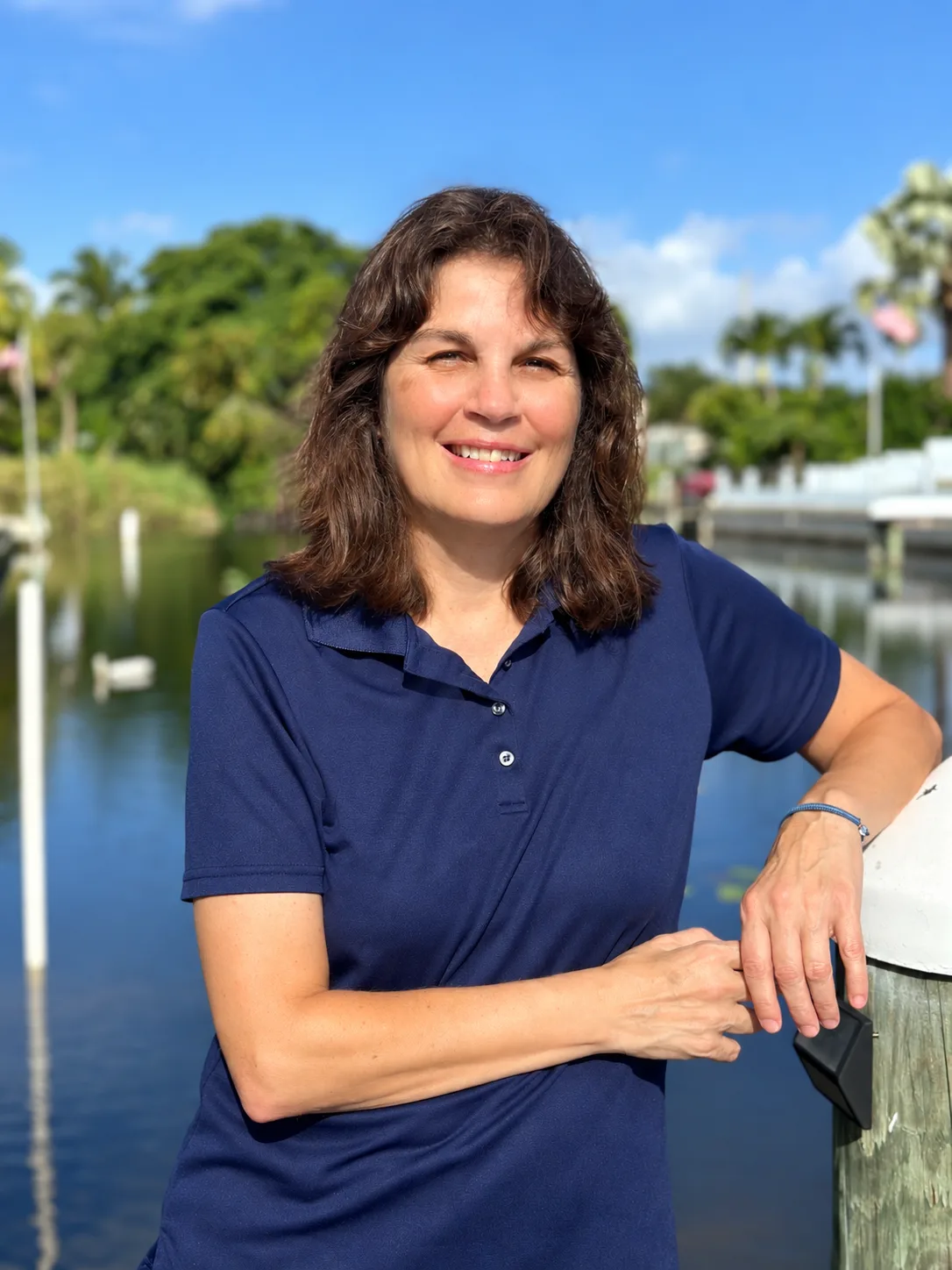
Written by Rhonda Townsend
1st Real Estate Solution Inc. Broker Associate · 12+ Years in Palm Beach County
Have questions about your downsizing journey? I'd love to have a conversation. No pressure, no obligation — just honest guidance from someone who understands.
Schedule a Free Consultation