Insurance is one of the most overlooked factors in a successful downsizing move. Many homeowners focus on purchase price, monthly mortgage payments, and association fees but do not fully account for how their insurance costs will change when they move from a single-family home to a condo, villa, or townhome in Palm Beach County.
Florida has one of the most dynamic insurance markets in the country. Coastal counties like Palm Beach County face unique considerations including windstorm coverage, flood zone requirements, and rising reinsurance costs that affect premiums across the board. For downsizing homeowners, understanding these factors before you buy can mean the difference between a comfortable budget and an unwelcome surprise.
I am Rhonda Townsend with 1st Real Estate Solution Inc.. After more than 12 years of helping Palm Beach County buyers and sellers, I have guided many homeowners through the downsizing process. Insurance is always part of that conversation. This guide explains the key insurance considerations downsizers face and what to ask before making an offer on your next home.
Why Insurance Matters When Downsizing
When you move from a larger single-family home to a smaller property, your insurance needs change. The type of coverage you require, the premium structure, and the factors that determine your rate can all look different depending on whether you are buying a condo, a villa, a townhome, or a smaller single-family home.
According to the Florida Realtors, insurance costs are a major factor in housing affordability across the state. For downsizers on a fixed or reduced income, an unexpected jump in premiums or a special assessment tied to the association insurance can disrupt carefully planned budgets.
The statewide average homeowners insurance premium in Florida is approximately $3,750 to $3,800 per year for a standard HO-3 policy with wind coverage, though coastal areas including much of Palm Beach County can see significantly higher rates. After several years of dramatic increases, the market is showing early signs of stabilization in 2026, with Citizens Property Insurance implementing rate reductions and private carriers returning to the market. Still, every property is different, and your specific premium depends on location, construction, age of the home, and coverage levels.
What Is HO6 Insurance and Why Do Condo Downsizers Need It?
If you are downsizing to a condo, your insurance needs shift from a standard homeowners policy (HO-3) to a condominium unit owners policy, commonly called an HO6 policy.
An HO6 policy covers what the condo association master policy does not. Generally, the master policy covers the building structure, common areas, and liability for the association. Your HO6 policy covers:
- The interior of your unit including walls, floors, cabinets, and built-in fixtures
- Your personal belongings including furniture, clothing, and electronics
- Personal liability if someone is injured in your unit
- Loss assessment coverage if the association levies a special assessment tied to an insurance claim
- Loss of use coverage if your unit becomes uninhabitable due to a covered loss
In Palm Beach County, average HO6 premiums range from approximately $800 to $2,200 per year depending on the unit value, location, and coverage limits. According to industry data, the countywide average HO6 premium is around $1,668 per year. That is lower than a single-family home policy but still a meaningful line item in your monthly budget.
When evaluating a condo for downsizing, ask for a copy of the association's master insurance policy and a summary of recent claims history. A healthy master policy with adequate coverage and a low claims frequency supports stable premiums for unit owners. An association with a history of large claims or inadequate reserves may pass costs to owners through higher HO6 rates or special assessments.
How Does Windstorm Coverage Work for Downsizing Homeowners?
Florida law requires all property insurance policies to include windstorm coverage or offer it as an option. In Palm Beach County, windstorm risk is a significant factor in premium calculations because of the county's coastal location.
Windstorm deductibles work differently than standard deductibles. Rather than a flat dollar amount, most Florida policies use a percentage deductible typically 2 to 10 percent of the dwelling Coverage A limit. On a home insured for $400,000, a 5 percent windstorm deductible means you would pay the first $20,000 of wind or hurricane damage out of pocket before insurance kicks in.
One of the most effective ways to reduce your windstorm premium is a wind mitigation inspection. Florida law requires insurers to offer premium discounts for verified wind-resistant features including:
- Impact-resistant windows and doors
- Reinforced roof-to-wall connections such as hurricane clips or straps
- Secondary water barriers on the roof
- Roof shape, material, and age
- Opening protection for garage doors and skylights
Property owners who complete a wind mitigation inspection using the Florida OIR-B1-1802 form can see premium reductions of 20 to 45 percent. Some carriers now require a wind mitigation report before issuing a new policy. Average annual savings from wind mitigation discounts are around $2,840 according to industry estimates.
As an AI Certified Agent, I can help connect you with a licensed inspector who understands the wind mitigation process and can provide the documentation your insurer requires.
Do You Need Flood Insurance When Downsizing?
Flood insurance is mandatory if your new home is in a FEMA-designated Special Flood Hazard Area (SFHA) and you have a federally backed mortgage. In Palm Beach County, SFHA zones include Zone A, AE, AH, AO, V, and VE. These zones carry a 1 percent annual chance of flooding, which translates to a 26 percent chance over a 30-year mortgage.
Palm Beach County's flood maps were updated effective December 20, 2024, placing thousands of additional parcels into high-risk SFHA zones, primarily Zone AE and Zone VE. If you are considering a home in a coastal or waterfront area, it is important to confirm the current flood zone designation before you make an offer. Our complete flood zone guide for downsizers walks through the FEMA zone letters, elevation certificates, and how to check any property you are considering.
Homes in moderate-to-low risk zones, designated as Zone X (shaded or unshaded), are not federally required to carry flood insurance. However, flood damage is not covered by standard homeowners policies, and more than 20 percent of flood claims come from properties outside high-risk zones. Many downsizers choose to carry flood insurance regardless of their zone designation.
Important changes effective in 2026: Citizens Property Insurance now requires flood insurance for homes with Coverage A values of $400,000 or more. This requirement is expanding to most Citizens policies by January 1, 2027. If you are downsizing and expect to insure through Citizens, factor flood insurance into your budget from the start.
National Flood Insurance Program (NFIP) building coverage caps at $250,000. For higher-value properties, private flood insurance or excess flood coverage may be needed to adequately protect your investment.
How Do Association Master Insurance Policies Affect Your Costs?
When you downsize to a condo, townhome, or villa in a homeowner association, the association carries a master insurance policy that covers the building structure and common areas. The cost of that master policy is passed through to unit owners as part of your monthly association dues or through special assessments.
In Palm Beach County, HOA and condo association dues have risen in part because master insurance premiums have increased significantly. According to the Florida Realtors and other industry sources, association insurance costs have been one of the primary drivers of rising HOA fees statewide.
Before buying into any association-governed community, ask these questions:
- What does the master policy cover and what is the deductible?
- Has the association had any large claims in the past five years?
- How much of the monthly assessment goes toward insurance?
- Has the association been assessed a large premium increase at the most recent renewal?
- Does the association maintain adequate reserves for insurance deductibles and self-insured retentions?
These questions matter because a poorly insured association can leave you exposed to special assessments for uncovered losses or large deductibles. For more on association finances and fees, see our guide to HOA fees and condo associations.
How to Budget for Insurance in Your Downsizing Plan
Insurance costs should be part of your monthly housing budget from the beginning. Here is a practical approach:
- Get quotes early. Before you make an offer on any property, ask your insurance agent for a premium estimate based on the property address and target coverage levels.
- Check the flood zone. Use the Palm Beach County property appraiser website or FEMA flood map service center to check the flood zone designation. If the property is in an SFHA zone, budget for flood insurance on top of your standard policy.
- Request the association's insurance summary. Your real estatee agent can request this as part of the due diligence process. Review it before making an offer so there are no surprises.
- Compare wind mitigation options. If the property does not have impact windows or a recent wind mitigation report, factor in the cost of an inspection and any necessary improvements.
- Factor in the deductible structure. A lower premium may come with a higher windstorm or hurricane deductible. Make sure you understand what you would owe out of pocket in the event of a storm.
- Ask about bundling. Many insurers offer discounts for bundling auto and home policies. If you are moving to a smaller home, your auto insurance may also change, so it is worth reviewing both together.
Our Palm Beach County Downsizing Guide includes a full budgeting worksheet that covers insurance costs alongside mortgage, taxes, HOA fees, and maintenance expenses.
Insurance Checklist for Downsizing Homeowners
Use this checklist as you evaluate potential homes:
- ✓ Review your current insurance policy to understand your existing coverage and premium
- ✓ Get premium estimates from at least two carriers for each property you consider seriously
- ✓ Check the FEMA flood zone designation for each prospective property
- ✓ Request the condo or HOA master insurance policy summary before making an offer
- ✓ Confirm whether a wind mitigation report is available or needed
- ✓ Understand the windstorm deductible structure and percentage
- ✓ Ask about Citizens Property Insurance eligibility and flood insurance requirements
- ✓ Verify loss assessment coverage limits on your HO6 or homeowners policy
- ✓ Compare bundling options for auto and home insurance with your current carrier
- ✓ Budget all insurance costs into your total monthly housing expense projection
I encourage downsizing clients to start the insurance conversation early. A quick conversation with a licensed insurance agent can prevent surprises and help you compare properties on an apples-to-apples basis. For more on what to look for in specific property types including condos, villas, and townhomes, read our comparison guide on home options for downsizers.
Getting Professional Guidance
Insurance regulations, rates, and requirements change. This guide provides a general overview of the considerations downsizers face in Palm Beach County, but it is not a substitute for professional advice from a licensed insurance agent who understands Florida property insurance.
When you work with me, I help you identify properties that fit your lifestyle, budget, and goals. I ask the right questions about association finances, insurance history, and flood zones so you have the information you need to make confident decisions. We also coordinate with your insurance professional, lender, and other partners to make sure nothing falls through the cracks.
Thinking about downsizing in Palm Beach County? Contact Rhonda Townsend at 1st Real Estate Solution Inc. for a personalized consultation. We can review your goals, discuss your target communities, and create a step-by-step plan that accounts for every factor including insurance.
Frequently Asked Questions
How much does condo insurance (HO6) cost in Palm Beach County?
Average HO6 premiums in Palm Beach County range from approximately $800 to $2,200 per year depending on your unit value, location, and coverage limits. The countywide average is around $1,668 per year. Your actual premium depends on your specific property and the coverage levels you choose.
Is flood insurance required for homes in Palm Beach County?
Flood insurance is federally required if your home is in a FEMA Special Flood Hazard Area (SFHA) and you have a federally backed mortgage. These zones include A, AE, V, and VE designations. Palm Beach County's flood maps were updated in December 2024, placing additional properties into high-risk zones. Properties in Zone X are not federally required to carry flood insurance.
What is a wind mitigation inspection and do I need one?
A wind mitigation inspection documents the wind-resistant features of your home including roof shape, roof-to-wall connections, secondary water barriers, and opening protection. Florida law requires insurers to offer premium discounts for verified wind-resistant features. Average savings are around $2,840 per year. Some carriers now require a wind mitigation report before issuing a new policy.
How does the condo association master policy affect my insurance costs?
The association master policy covers the building structure and common areas. Its cost is included in your monthly HOA dues. If the master policy has large deductibles, a history of claims, or rising premiums, those costs may be passed through to you via higher fees or special assessments. Reviewing the master insurance summary during due diligence is important. See our guide to HOA fees and condo associations for more details.
Can I get homeowners insurance on a home I am buying during the due diligence period?
Yes. You can contact an insurance agent with the property address during the inspection period to get a premium estimate before you commit to the purchase. This is a good practice, especially for properties in coastal areas or older condos where insurance availability and cost can vary significantly.
Related Resources
- The Complete Downsizing Guide — Your comprehensive resource for every step of the downsizing process in Palm Beach County.
- Downsizing Roadmap — A step-by-step guide to planning your downsizing journey.
- Home Options — Explore villas, condos, townhomes, and other housing types perfect for your next chapter.
- HOA Fees and Condo Associations: What Downsizers Should Know.
- Retiree Affordability in Palm Beach County: 2026 Guide.
- Making an Offer on a Downsize Home: What Buyers Need to Know.
- About Rhonda Townsend — Meet your Palm Beach County downsizing specialist.
Sources
- Florida Realtors Market Reports
- Greene Insurance, Florida Insurance Market Report 2026
- Citizens Homeowners Insurance Rates to Drop Statewide in 2026
- Lewis Insurance, Florida Wind Mitigation Savings Guide
- Palm Beach County Flood Informational Brochure
- Florida Condo Insurance Guide
Disclaimer
This article is for general informational and real estate purposes only. It does not constitute insurance advice, and insurance rates, coverage requirements, and legal obligations vary by property and change over time. Consult a licensed insurance professional for guidance specific to your situation. Flood zone designations and insurance requirements should be verified with current FEMA maps and your insurance agent. This content does not constitute legal, tax, or financial advice.
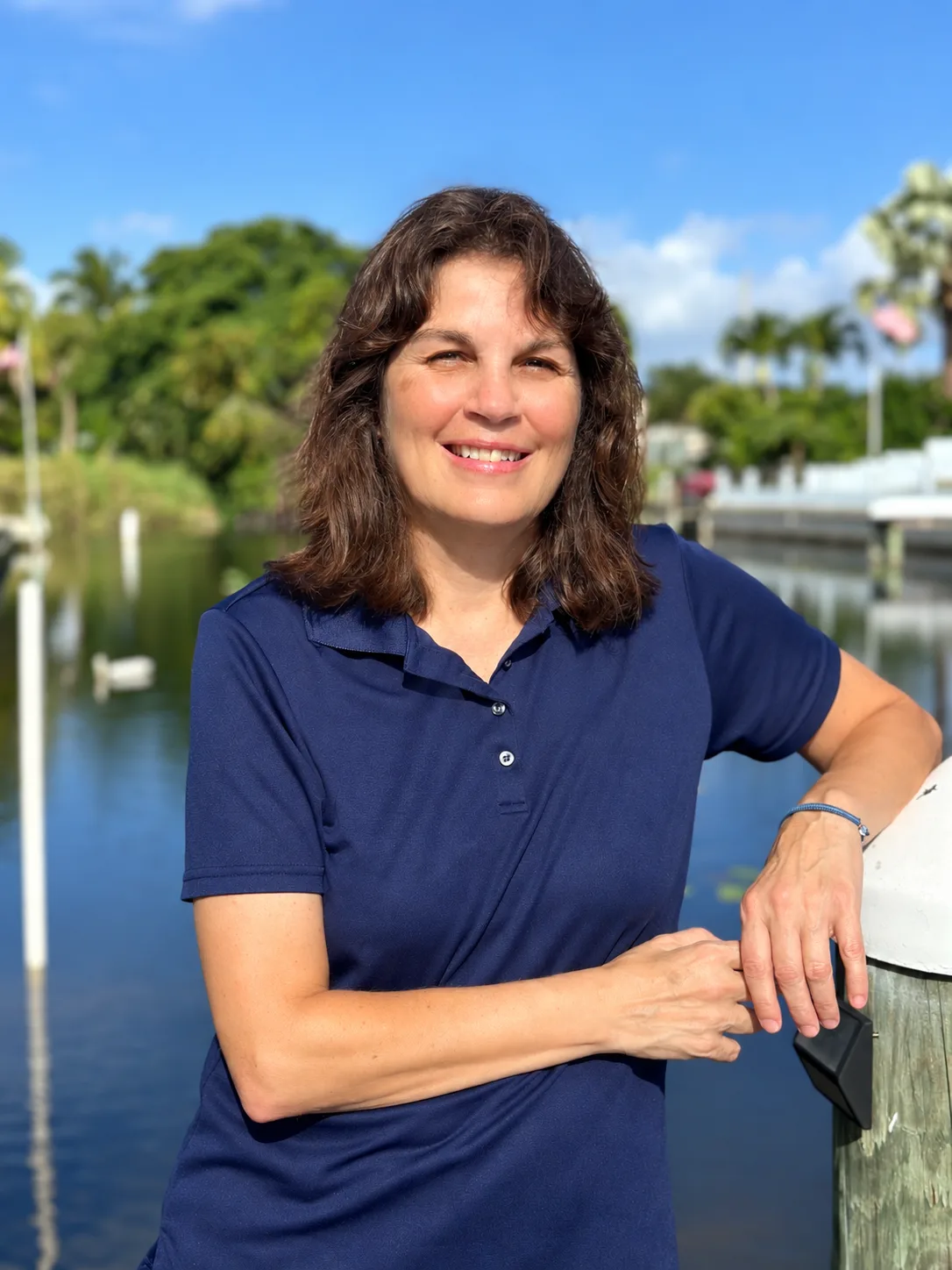
Written by Rhonda Townsend
1st Real Estate Solution Inc. Broker Associate · 12+ Years in Palm Beach County
Have questions about your downsizing journey? I'd love to have a conversation. No pressure, no obligation — just honest guidance from someone who understands.
Schedule a Free Consultation