If you are buying a villa, condo, townhome, or a smaller single-family home in Palm Beach County, the flood zone attached to the property is one of the most practical things to check before you make an offer. A flood zone is a FEMA-designated risk category on the county's flood maps, and it can affect whether your lender requires flood insurance, what that coverage may cost, and how your home compares to the local base flood elevation. This guide explains the flood zone letters you will see, how to look up any home you are considering, and how to fold flood risk into your downsizing budget.
You will find a plain-English reading guide for the FEMA flood zone categories, the situations that can require flood insurance, the documents worth asking for before you make an offer, and a checklist you can run for every property. You do not need to become a flood-mapping expert. Knowing a handful of questions will help you compare homes with confidence.
Hi, I am Rhonda Townsend, a Realtor with the 1st Real Estate Solution Inc. team. For more than 12 years I have helped Palm Beach County homeowners buy and sell everything from canal-front villas to Intracoastal condos, and checking the flood zone is a standard part of my work on any waterfront property. If you want the full picture first, browse the Downsizing Resource Center, then keep reading for the flood zone breakdown.
Key Takeaways
- A flood zone is a risk category on FEMA's Flood Insurance Rate Maps, and each letter tells you how likely flooding is and how the water behaves in that area.
- Homes in a Special Flood Hazard Area with a federally backed mortgage generally require flood insurance, and that coverage is separate from a standard homeowners policy.
- Zone VE marks the coastal high hazard area along the Atlantic, where wave action and storm surge set it apart from inland zones.
- An Elevation Certificate is one of the most useful documents a downsizer can request, because it shows how the home sits relative to the base flood elevation.
- Flood boundaries are parcel-specific. A waterfront address does not automatically mean a high-risk zone, and the dry-looking street can still sit inside the floodplain.
What Is a Flood Zone and Why Does It Matter When You Downsize?
Flood zones are mapped risk categories created by the Federal Emergency Management Agency, or FEMA. On Flood Insurance Rate Maps, FEMA divides the landscape into zones that lenders, insurance professionals, builders, and local governments use to understand flood risk and set rates. Palm Beach County communities participate in the National Flood Insurance Program, so these federal maps are the reference point from the Atlantic shorelines to the communities in the west.
Flood risk matters during a downsizing move for a simple reason: the total cost of ownership includes insurance. If your next home is smaller than your current one but carries a large flood insurance premium because of its location, that line item can reshape your monthly budget. A villa by the water or a condo on the Intracoastal can deliver exactly the lifestyle you want, and making that choice with your eyes open is what a confident move looks like.
How Do You Read the Flood Zone Letters on a FEMA Map?
Flood maps group parcels into zones, and each letter describes how likely flooding is and what kind of water to expect. The designations you will most often see in Palm Beach County are:
- Zone VE: the coastal high hazard area, usually close to the Atlantic coastline. Wave action and storm surge can push water here, and the map shows base flood elevations so construction can be built well above the potential flood level.
- Zone AE: a high-risk zone across the county, along the Intracoastal, near lakes and canals, and in some inland low areas. It generally has a 1 percent annual chance of flooding, the flood level many people call the 100-year flood.
- Zones AH and AO: high-risk shallow flooding zones. AH describes areas with ponding or sheet flow, while AO covers shallow flow that can carry some velocity. Both appear where storms routinely flood low-lying streets.
- Zone X: the lowest risk designation, for areas outside the Special Flood Hazard Area. Surface flooding can still happen during intense rain, so X is lower risk, not a no-risk flag.
The phrase "100-year flood" confuses a lot of buyers. It does not mean a flood arrives once a century. It means there is a 1 percent chance of that size flood in any given year, and because the chance repeats yearly, a home in a high-risk zone has about a 26 percent chance of seeing a flood of that size over a 30-year mortgage. That is why the maps and the insurance rules take these designations seriously.
Do I Have to Buy Flood Insurance When I Buy a Home in the County?
For most buyers with a mortgage, the answer is yes for any home in a Special Flood Hazard Area, the FEMA term for the high-risk zones such as AE, AH, AO, and VE. When a federally backed or regulated lender makes a loan on a home in one of those zones, flood insurance is required. That applies to most conventional, FHA, and VA loans. Flood insurance is separate from a standard homeowners policy, so do not assume an existing policy already covers it.
A few practical details worth knowing. The National Flood Insurance Program, known as the NFIP, writes building coverage up to the limit of $250,000 for residential homes, plus separate contents coverage for belongings. Higher-value homes and waterfront condos often add private flood coverage or an excess policy on top. Since 2022, NFIP pricing has used FEMA's Risk Rating 2.0 methodology, which sets the rate from the individual property's elevation and risk instead of the zone letter alone, and that is why two neighbors in the same zone can pay different amounts.
For a condominium, the association typically carries a master flood policy that protects the building and the common property, and unit owners usually buy their own personal property coverage, often called an HO-6 policy, to protect belongings and interior finishes. Ask the board or property manager for a summary of the master policy, its limits, and its deductible before you make an offer.
How Do I Check the Flood Zone for a Specific Home?
You can check a parcel's flood zone yourself in a few minutes, then confirm the details with your agent, your lender, and an insurance professional. Here is a practical sequence:
- Look up the property. The FEMA Flood Map Service Center at msc.fema.gov shows the effective map panel, the flood zone label, and the base flood elevation for a given address. Palm Beach County's floodplain staff can also help confirm a specific parcel.
- Ask for an Elevation Certificate. If the current owner has one from a purchase or refinance, you can see how the finished floor compares to the base flood elevation and how the home will be rated.
- Ask the seller what they paid. A few years of premium history and any prior claims tell you more about how the home behaves in real weather than a line on a map.
- Check for pending map changes. FEMA maps are amended over time, and a parcel may have a Letter of Map Amendment or a Letter of Map Revision that changes its designation. Your agent or the county flood office can confirm the current effective map.
What Is an Elevation Certificate and Why Does It Affect the Rate?
An Elevation Certificate is a report prepared by a licensed surveyor, engineer, or other qualified professional. It records the base flood elevation and the elevation of the home's lowest floor, along with the flood zone and other details insurers use to set rates. Lenders and insurance underwriters rely on it to understand risk and pricing. When the finished floor sits comfortably above the base flood elevation, flood insurance generally costs less. When the lowest floor sits at or below the flood level, the rates are noticeably higher.
If a home already has a certificate, ask your agent for a current copy and confirm it matches the building. If not, you can have one prepared for a modest fee. If you plan to finance, the lender's underwriting and the insurance quote will both flow from this report, so it is worth asking for before you go under contract rather than discovering the numbers later.
How Is a Coastal or Waterfront Property Different From an Inland Home?
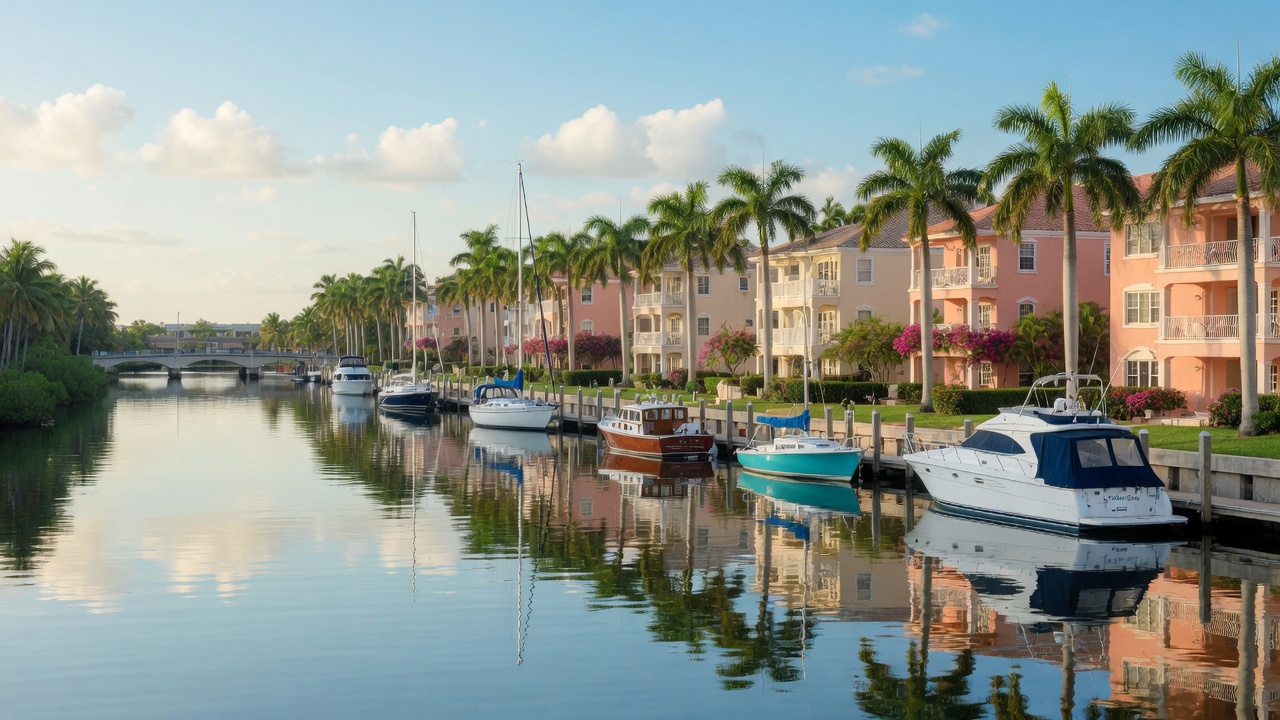
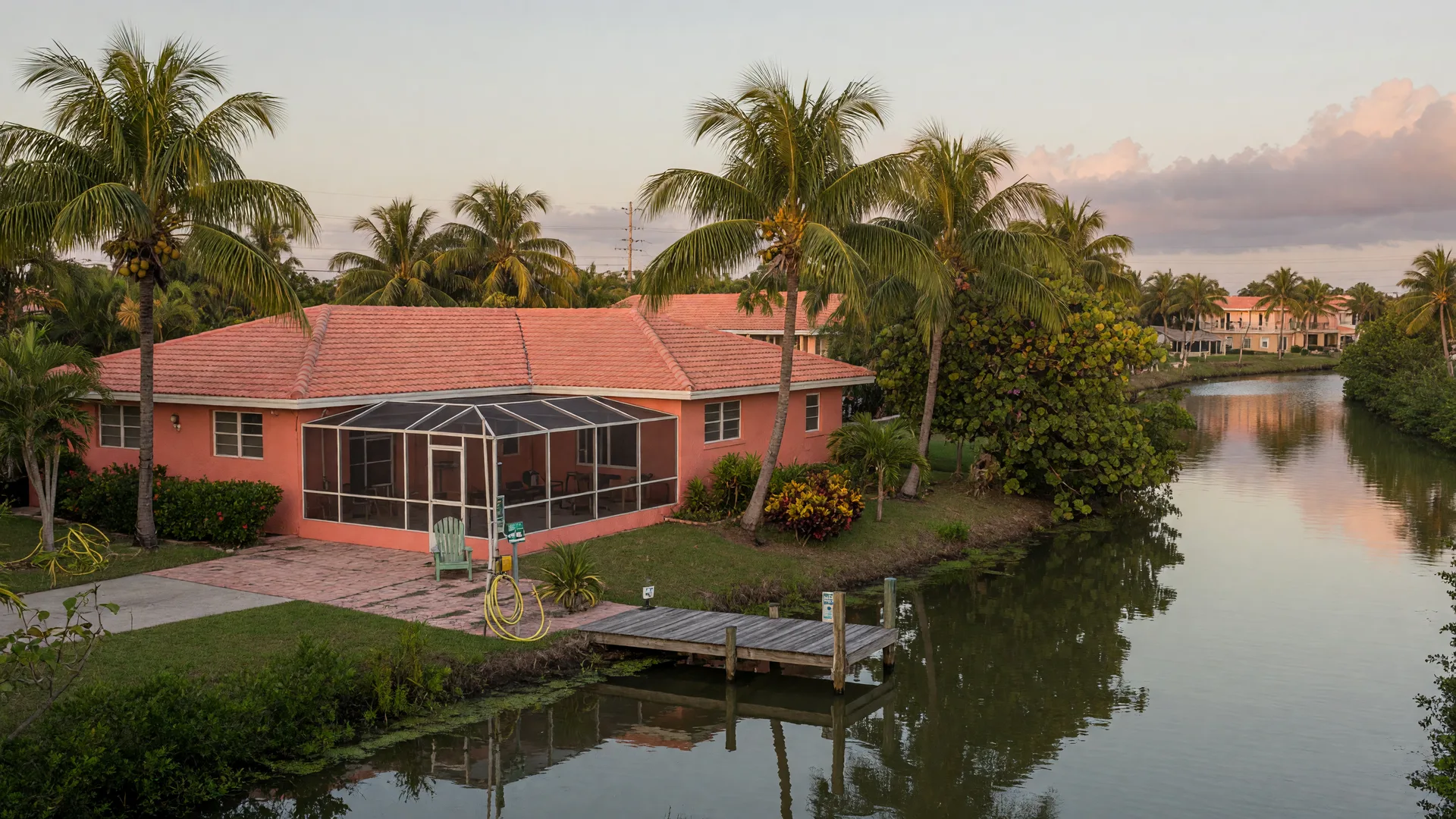
The coastal address alone does not decide the zone; the parcel does. The oceanfront can be in Zone VE, where surge and wave energy make the flood rules and the premiums much higher than inland zones. Just inside that strip, the Intracoastal, the lakes, and the western canals can put a home in Zone AE or another designation, so a home with a dock can sit in a different zone from an oceanfront address only a mile away. A pondfront villa in a gated interior community can also sit in a mapped zone because of the flat ground.
If a coastal community is on your shortlist, look at the zone, the elevation, and the premium for the specific parcel rather than the city average. Community guides like the Jupiter downsizing guide and the Lake Clarke Shores waterfront guide describe life in the near-coast neighborhoods. The waterfront downsizing guide compares the home options, and the HOA and condo association guide covers the dues, reserves, and governance that come with community living.
A Flood-Ready Checklist Before You Make an Offer
Run this checklist on every property you consider near the coast, the Intracoastal, a lake, or a canal in Palm Beach County:
- ✓ Look up the current flood zone on the FEMA Flood Map Service Center, noting the map panel and effective date.
- ✓ Find an existing Elevation Certificate, or plan to have one completed before you commit.
- ✓ Ask the seller for recent flood insurance premiums and any claims history.
- ✓ Confirm with local flood staff whether a map revision is pending for the parcel.
- ✓ Get a flood insurance quote from a licensed agent for the exact address with the coverage limit you want.
- ✓ For a condo, verify that the association's master flood policy covers the building, and confirm the deductible and your share.
- ✓ If the zone is at high risk, check with your lender and factor the required premium into your budget.
- ✓ In a lower-risk zone like X, decide deliberately whether to carry coverage, since flood damage falls outside a standard home policy anyway.
Let's Work Flood Risk Into Your Downsize Search Together
The best time to understand a home's flood zone is before you make an offer, not after your lender raises the question. I can help you read the map and the certificate for each property, request the seller's insurance history, connect you with insurance professionals who know Palm Beach County, and weigh the waterfront lifestyle against the budget that fits your next chapter.
You can browse the Downsizing Resource Center at any time, and our insurance guide for downsizers, the hurricane season moving guide, and the Palm Beach County downsizing guide complete the picture. When you are ready, schedule a free downsizing consultation, call 561-236-9772, or email rtownsendrealestate@gmail.com, and we will sort through the flood zones and the floor plans of the homes you love.
Frequently Asked Questions
Is every home near the water in Palm Beach County in a flood zone?
No, and the difference is why the map matters. Flood zone boundaries are drawn parcel by parcel, and elevation and drainage can put two waterfront homes across the street from each other in different zones. The only reliable way to know is to look up the specific property on the current FEMA maps, then confirm with the county flood office.
Will flood insurance cost the same for every flood-zone home?
No. Under the NFIP's current pricing, the rate is based on each property's own elevation, structure, coverage, and claims history rather than a fixed price attached to the zone letter. Two homes in the same zone can differ meaningfully, which is why the practical rule is to get a quote for the exact address before you commit.
Do I need flood insurance for a condo, or does the association cover it?
Usually yes. The association's master flood policy protects the building and the common areas, while your personal contents and interior finishes are yours. Ask the board, the property manager, and an insurance agent for a written summary of the master policy, including its limits and deductible.
What happens if I do not keep flood insurance on a home that requires it?
If a property has a federally backed loan, the lender will require proof of coverage before closing. If the policy later lapses, the lender also has the legal right to buy coverage for you, called force-placed insurance, which is often more expensive and protects you less than a policy you choose yourself. Keeping your own policy current protects both your finances and your peace of mind.
Related Resources
- Downsizing Resource Center - Browse the full library of guides and insights for Palm Beach County moves.
- Insurance Guide for Downsizers - The full insurance breakdown, including flood, wind, and HO-6 coverage.
- Waterfront Downsizing in Palm Beach County - Compare condos, villas, and coastal living along the water.
- Downsizing During Hurricane Season - Prepare your current home and your belongings during storm season.
- Sell and Buy Strategy - Coordinate the sale of your current home with the purchase of your next one.
- The Palm Beach County Downsizing Guide - A free downloadable resource that brings the whole plan together.
- Contact Rhonda Townsend - Start the conversation whenever you are ready.
Sources
- FEMA Flood Map Service Center
- FEMA: National Flood Insurance Program
- FloodSmart.gov
- Palm Beach County Government
- Palm Beach County Property Appraiser
- Florida Office of Insurance Regulation
Disclaimer
This article is for general informational purposes only and is not a substitute for legal, tax, financial, insurance, or flood guidance. Flood zones, insurance requirements, rates, and lender policies vary by property and change over time. Verify current map designations with FEMA and local officials, and consult a licensed insurance professional and your lender for advice specific to your situation.
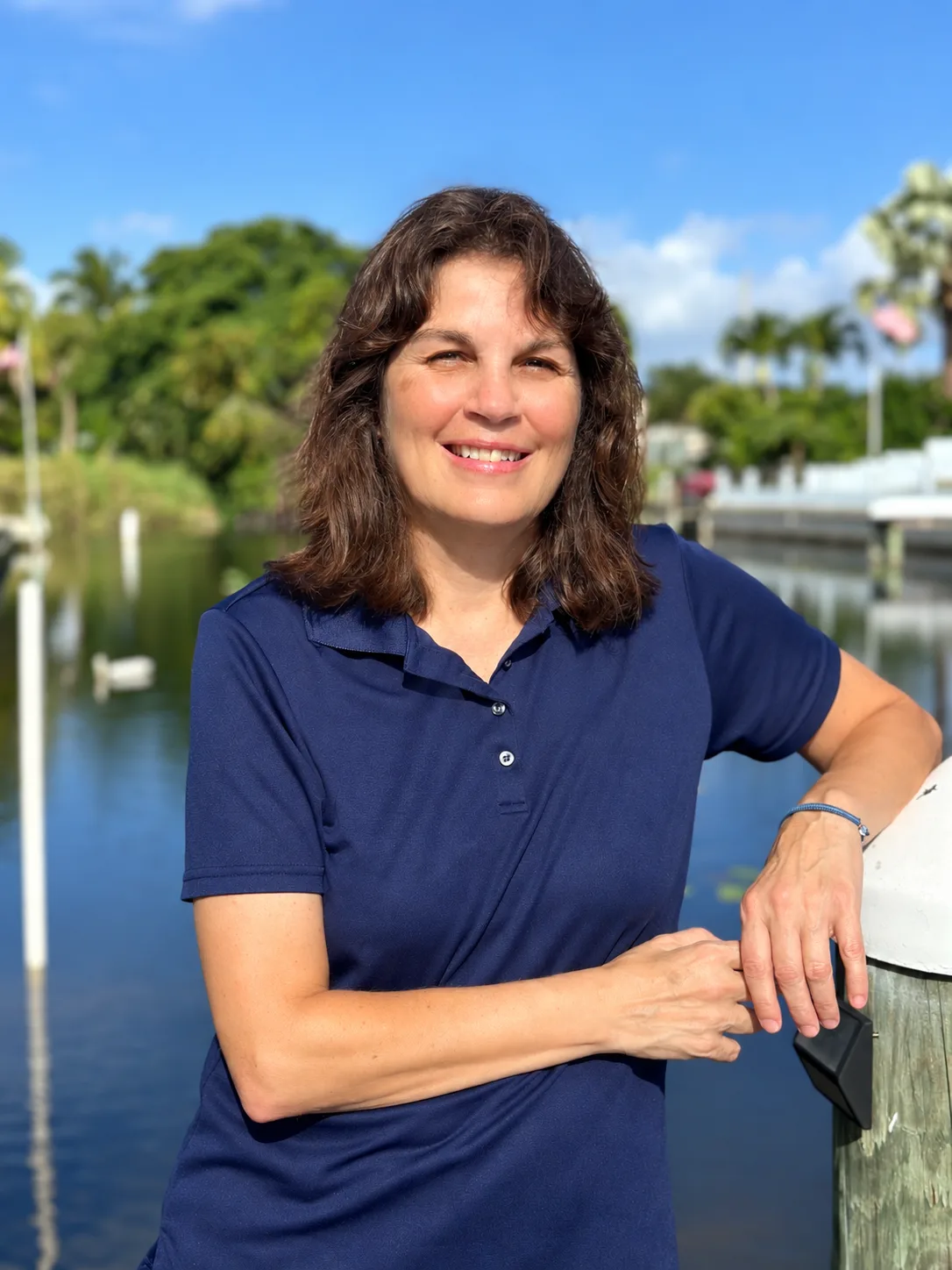
Written by Rhonda Townsend
1st Real Estate Solution Inc. Broker Associate · 12+ Years in Palm Beach County
Have questions about your downsizing journey? I'd love to have a conversation. No pressure, no obligation — just honest guidance from someone who understands.
Schedule a Free Consultation