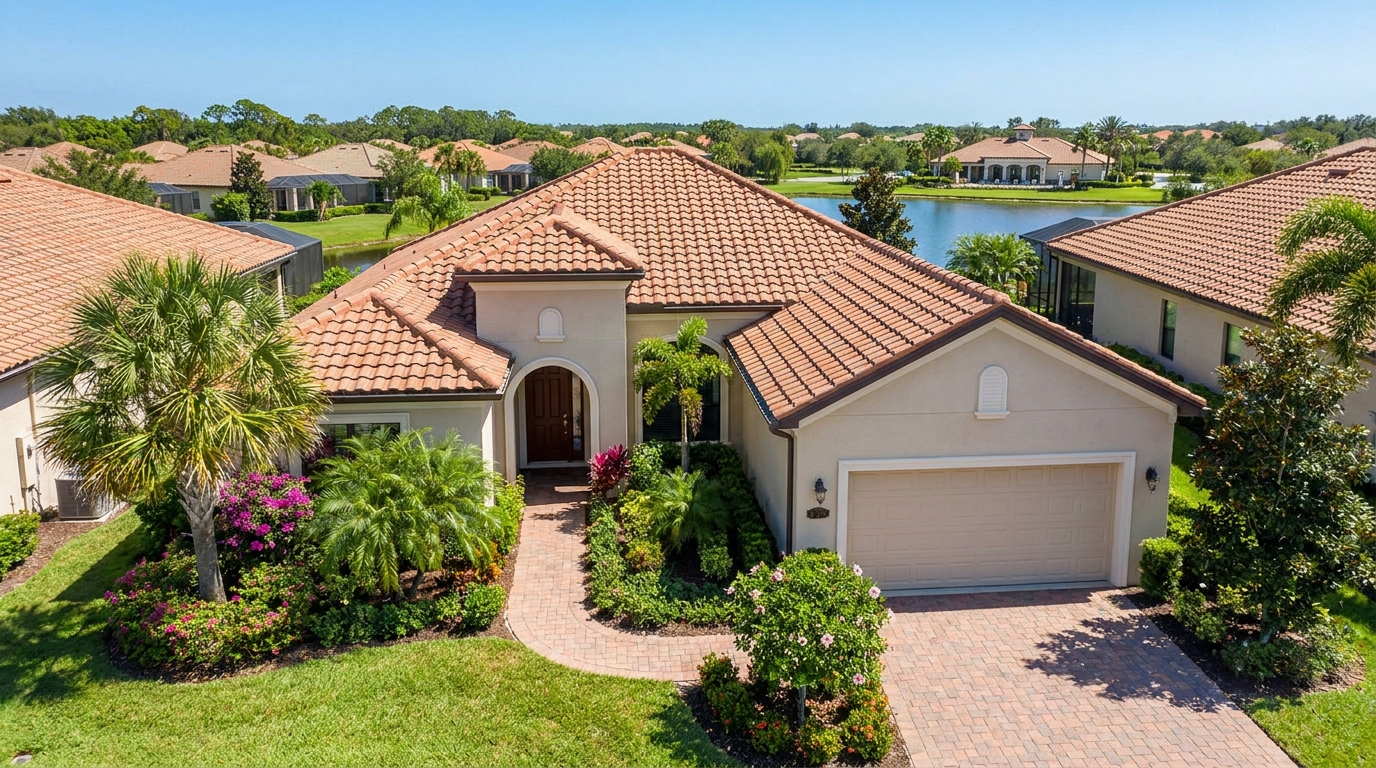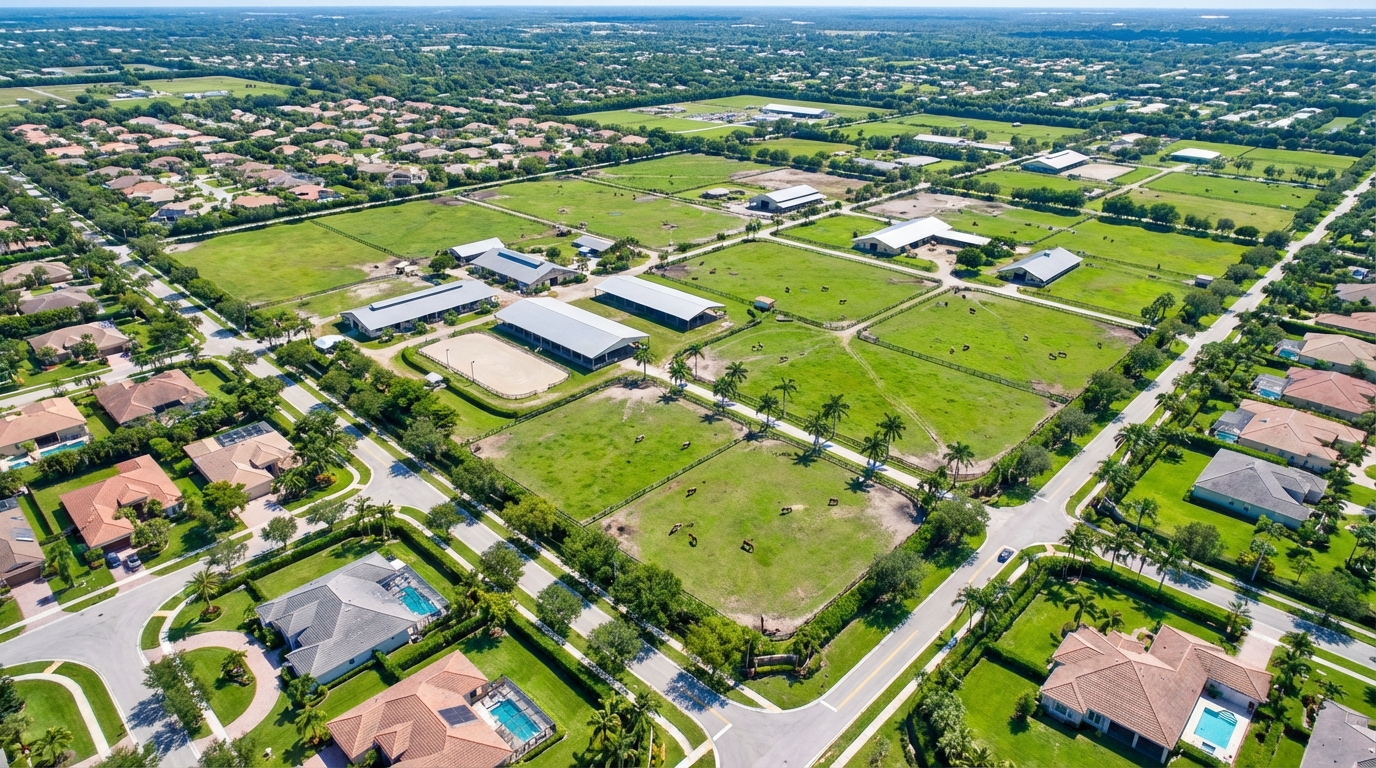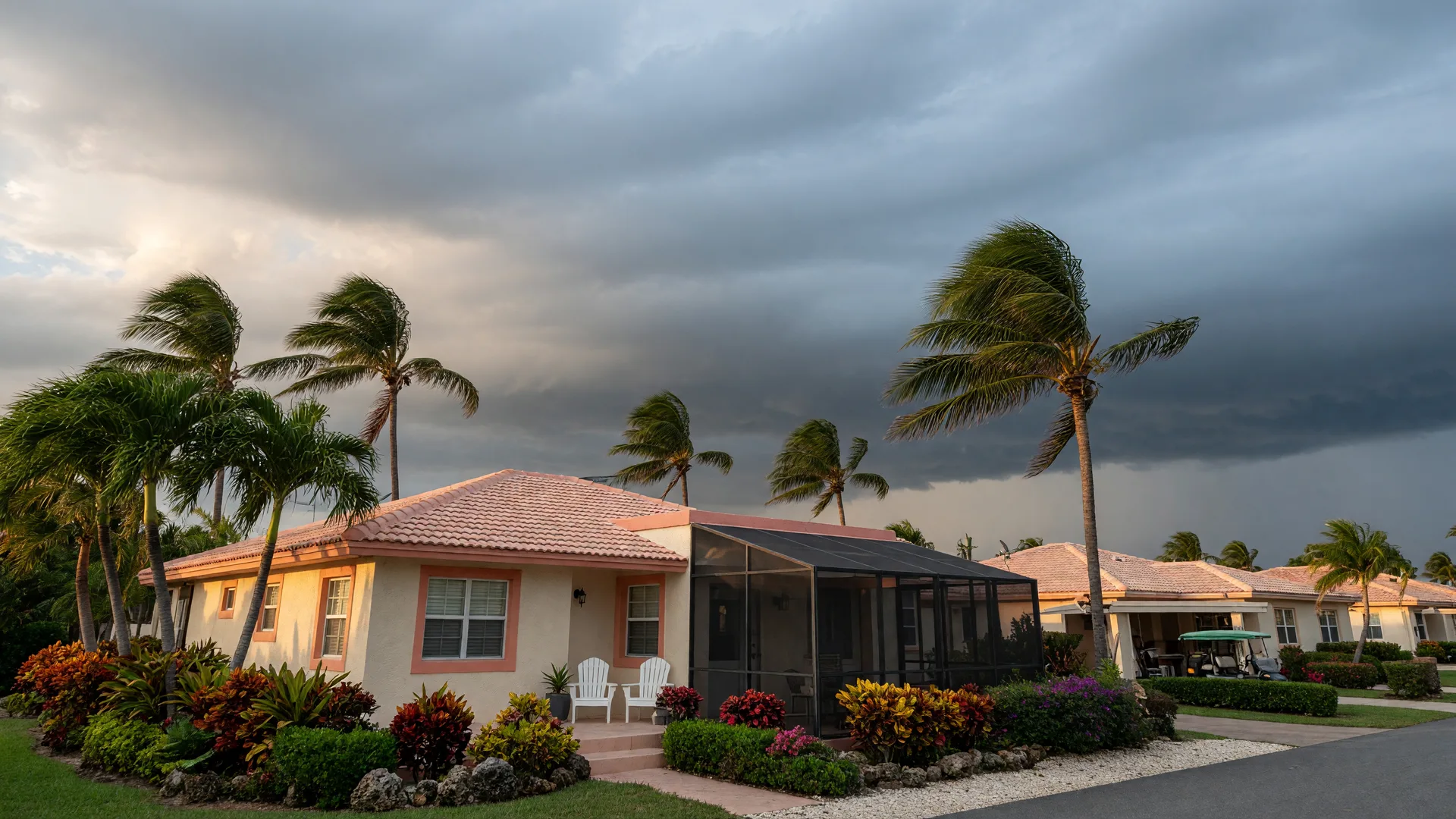
Yes, you can make a move during hurricane season in Palm Beach County, but it takes a little extra planning. Florida's hurricane season officially runs from June 1 through November 30, with the most active stretch of the season typically falling between mid-August and mid-October. That window overlaps with many homeowners' plans to sell their current home and settle into a smaller one, especially in coastal areas like ours.
You do not need to put your downsizing plans on hold for months. The key is building flexibility into your timeline, preparing your current home before it goes on the market, understanding your insurance picture, and working with professionals who know the local rhythm of storm season. That is exactly what this guide is for.
Hi, I am Rhonda Townsend, Realtor with 1st Real Estate Solution Inc.. I have helped Palm Beach County homeowners plan moves that make sense for their lives for more than 12 years, including moves that came together right in the middle of storm season. Here is how you can make that work for your downsizing goals.
Key Takeaways
- Hurricane season runs June 1 through November 30, with the most active stretch usually falling between mid-August and mid-October. Moves in that window need extra flexibility.
- Prepare your home before listing: Clear gutters, trim trees, secure outdoor furniture, and document your belongings before a storm threat arrives.
- Insurance matters on both sides: Understand wind and flood coverage requirements, wind deductibles, and the seller flood disclosure law before you list or buy.
- Build buffer into your timeline: A storm can delay closing dates, inspections, or moving day, so plan for wiggle room.
- Keep critical items with you: Medications, important documents, chargers, and valuables should never ride in the moving truck.
- Know your zone: Check evacuation zones for both your current home and your next one through Palm Beach County's "Know Your Zone" tool.
When Is Hurricane Season in Florida, and Why Does It Matter for Your Move?
Florida's official hurricane season runs from June 1 through November 30 each year, according to the National Oceanic and Atmospheric Administration(NOAA.). The climatological peak of the Atlantic season lands around September 10,and the highest-risk stretch typically spans mid-Augustthrough mid-October.
Why does that matter for a move? Because the weeks angling toward that peak are when named storms are most likely to form in the Atlantic basinand potentially track toward South Florida. If your target move date falls inside that window, you will want a plan for how you will respond if a storm threatens: dates can shift, trucks can delay, and homes can need a little extra attention.
That does not mean you should avoid moving for five months. It means you plan with the calendar instead of against it, and you give yourself options. For the full step-by-step process of planning a downsizing move, start with the Downsizing Resource Center,which brings together every guide we offer on this journey.
Can You Sell a Home During Hurricane Season in Palm Beach County?
Yes. Real estate transactions take place throughout the year in Florida, including every week of hurricane season. What matters most is how ready your home is to show welland how much flexibility you build into your transaction timeline.
If you are considering whether the timing is right to downsize,know that storm season alone does not need to decide the question for you. Here are the practical steps that help a home show welland list confidently during the season:
- Clear gutters, downspouts, and yard drains so water moves away from the foundation during heavy rain.
- Trim damaged or overhanging tree limbs before a storm can turn them into loose projectiles.
- Secure or store outdoor furniture, planters, and decor so nothing becomes flying debris in strong wind.
- Check roof, windows, doors, and garage door seals and take care of small issues while you have time.
- Photograph your home insideand out to document condition for insurance purposes, before any storm event.
None of these are complicated, and most simply put your home in better shape for a potential buyer anyway. If you want a deeper look at getting your house market-ready, our guide on preparing your home for sale while downsizing walks through the whole process.
What Insurance Do You Need When Sellingand Buying During Storm Season?
Insurance is one of the most practical places to focus your energy before a storm-season move, because it affects both sides of your transaction. Let us look at the parts that matter most.
Windstorm coverage. Florida law does not require homeowners to carry insurance outright, but most mortgage lenders require a hazard policy,and Florida Statute 627.712 mandates windstorm or hurricane coverage unless a home is owned free and clearand the owner opts out in writing. Wind deductiblesin Florida are often set as a percentage of the dwelling's insured value, typically 2 percent,5 percent, or 10 percent, depending on the policy. That is worth knowing before a storm, not while one is approaching.
Flood coverage. Standard homeowners policies do not cover flooding. Under the federal Flood Disaster Protection Act, flood insurance is required for most homesin FEMA Special Flood Hazard Areas when financed with a federally backed or regulated mortgage. In Palm Beach County,the most common high-risk zone is Zone AE, while coastal wave-action zones are designated Zone VE. Homes outside high-risk zonesoften Zone X,generally have optional flood coverage, though lenders can still require it,and Palm Beach County participates in the National Flood Insurance Program(NFIP.),which makes coverage available to most property owners.
Flood coverage requirements have also been expanding. Citizens Property Insurance Corporation has been phasing ina requirementthat most personal-residential wind policyholders carry flood insurance, with the mandate now moving toward covering all Citizens wind policyholders regardless of value or flood zone by January 1,,강 2027. If your next home's insurance picture involves Citizens, flood coverage may already apply to you.
Seller flood disclosure. Since October 1,,강 2025, Florida sellers of most residential property, including condos, and new construction, must provide an expanded flood disclosure form stating whether ,the property flooded during their ownership, whether they filed flood insurance claims,and whether they received FEMA or federal flood assistance. This law, part of Senate Bill 948, makes flood history far more visible to buyers than it used to be.
I am not an insurance agent, so I will not quote specific rates here. What I can do is help you ask the right questions before you list or make an offer,and connect you with qualified insurance professionals who can give quotes for your exact property. For a fuller insurance overview, our insurance guide for downsizers covers the topic thoroughly,and the HOA and condo association guide explains what association master policies doand do not cover.
Can a Hurricane Delay a Closing or Move Date?
It can. A named storm approaching South Florida may push back inspections, appraisals, title work, or the closing date itself. If a storm causes damage, lendersand appraisers may want to reassessthe property,and utilities outages can affect move-in readiness at your new home.
You can soften that bump in a few practical ways:
- Build a few extra days into your ideal timeline whenever you can, so a single weather delay does not cascade through everything else.
- Talk about storm dates before you need to. Agreein advance, in writing where possible, with the other party about how a storm near closing will be handled.
- Keep a contact list handy for your lender, title company, insurance agent, mover,and attorney.
- Understand your mover's rescheduling policy before you book, not on the day of a storm watch.
- Plan fora backup place to stay the first night or two if your new homecannot be occupied right away.
Another layer worth knowing: your purchase agreement typically includes a final walkthrough close to closing day, which is exactly when you confirm the home is in the condition agreed upon. If a storm passed through after you went under contract, you and your agent will want to check carefully for water intrusion, wind damage, or other issues before you close. For the insand outs of coordinating a saleand purchase so you avoid being caught between closings, see our Selland Buy Strategy page.
How Should You Prepare Your Home Before Listing During Hurricane Season?
Much of what keeps a home safe in a storm also makes it show better, which is a nice reason to tackle it early. FEMA's Ready.gov guidance recommends these storm-season steps, adapted here for owners preparing a home for sale:
- Clear gutters, drains,and downspouts so water flows away from the home.
- Bring inside or secure anything that could become a projectile, from patio chairs to potted plants to pool toys.
- Reinforce where it matters: storm shutters or 5/8-inch marine plywood for windows,and a garage door bracing.
- Trim or remove damaged treesand limbs while they are easy to reach, ideally outside hurricane season.
- Check your roofand attic ties if you can safely do so,and talk to a roofing professional about any concerns.
- Review insurance coverageand document possessions with photos or video, ideally roomsby rooms.
- Assemble an emergency kit now, not when a storm is three days away.
If your plan is to sell first, having this work done before listing means you will not be scrambling to secure a house you no longer live in. If you rent or live in a community with an association, check whether exterior storm prep is handled for you, such as shutter installation or common-area tree care.
What Should Go into a Hurricane Emergency Kit During Moving Week?
Moving week has its own chaos, so a clearly labeled emergency kitthat rides with you, not in the truck, keeps the essentials close. Here is a practical starter list:
- Water and non-perishable snacks for everyone in your household
- Medicationsand a small first-aid kit
- Flashlight, batteries,and a power bank for your phone
- Cash, because card readers may be down during an outage
- Important documents: IDs, passports, insurance policies, mortgage or escrow paperwork, purchase contract copies,and tax records
- Phone chargers, a manual can opener,and a small toolkit
- A change of clothes and toiletries, in case your new homeis not ready to occupy
Set that box aside before packing beginsand keep it with you on moving day. Our moving logistics guide has the full rundown on everything else moving week involves,and the ultimate downsizing checklist keeps every task in one place.
How Can You Protect Belongings on Moving Day During Storm Season?
Downsizing often means packing items of real value, from family pieces to electronics to paperwork. A few habits make a real difference during storm season:
- Carry valuables, documents, medications,and irreplaceable items with you, never in the moving truck.
- Wrap electronicsand photographs in plastic as a moisture barrier on top of normal packing materials.
- Ask your mover how they protect the load from rain, whether ,the truck is covered, how they tarp,and whether they will delay loading if heavy weather is incoming.
- Take photos of each fully packed room before the crew loads it, so you have a visual inventory if you ever need one for a claim.
- Confirm your mover's rescheduling policy so you know your options if a storm warning forces you to shift the date.
If you are moving into a coastal or waterfront home,the same care applies to the new address: check how the community handles storm prep, whether ,the building has shutters or impact glass,and what the association's insurance master policy covers. Coastal buyers often want to weigh flood zone, elevation,and storm history as part of the decision. Community guides like Jupiter describe what living in those coastal towns is really like,and our best communities for downsizing guide compares options across Palm Beach County.
What Palm Beach County Steps Should You Know Before Storm Season?
Palm Beach County publishes a countywide hurricane guide and a "Know Your Zone" tool at ReadyPBC.com that tells you which evacuation zone applies to a given address. That is worth checking for both your current home and your next one, because how you prepare differs by zone. In Palm Beach County, all mobile home residents must evacuate under an evacuation order, and coastal zones have their own timelines. It is also worth looking up a property on the FEMA flood map before you buy, so you understand flood risk, and insurance expectations up front.
A few other habits help: keep a small stock of water and shelf-stable food as your next home gets set up, know where your new circuit breakerand water shutoff are,and introduce yourself to neighbors so you have people to check in with. These are small steps that make first storm season in a new home feel far more manageable.
How Can Rhonda Townsend Help You Plan a Move Around Storm Season?
Planning a downsizing move during hurricane season is very doable,and you do not have to coordinate it alone. As your Realtor, I help you:
- Understand timing, pricing,and local market conditions for your specific situation, with no pressure to move faster than you are ready to.
- Factor flood zone, elevation, insurance expectations,and community storm prep into your home search before you make an offer.
- Coordinate the saleand purchase so closing dates line up with room for weather delays.
- Point you to qualified insurance, title, lender, inspector,and mover professionals who know Florida's requirements.
- Keep every step organized from listing through move-in, so you can focus on your next chapter.
If you are ready to build your plan, schedule a free downsizing consultation or get in touch directly. You can also download the free Palm Beach County Downsizing Guide,which walks through the entire process step by step.
Frequently Asked Questions
Is it risky to sell my home during hurricane season?
Not inherently. Homes sell in Palm Beach County year-round, including during hurricane season. The risks are manageable when you prepare the home before listing, build flexibility into your timeline,and work with professionals who know how to handle a weather delay if one comes up.
Do I need flood insurance if my home is outside a flood zone?
Flood coverage is generally optional outside high-risk zones, but lenders can still require it,and Citizens wind policyholders are being phased into a flood coverage requirement regardless of zone. The most reliable way to know what applies to your property is to review your current policy with a qualified insurance agent.
What happens if a storm damages my home while it is under contract?
Every contract is different, so specifics matter. In general, your final walkthrough near closing is your chance to confirm the home's condition,and your agent, title attorney,and insurance professional can guide you through how your particular agreement responds to damage before closing. Ask these questions when you go under contract, not after a storm.
Should I wait until after hurricane season to move?
That is one valid option, but it is not the only one. Many downsizers move during hurricane season quite smoothly by building buffer into their dates, preparing their old home early,and keeping essentials with them. If you can avoid the most active stretch between mid-August and mid-October, that reduces risk, but a well-prepared move in season can work just fine.
Related Resources
- Downsizing Resource Center - Browse the full collection of downsizing guides and insights.
- The Palm Beach County Downsizing Roadmap - Follow the step-by-step process from goals to closing.
- The Palm Beach County Downsizing Guide - A complete downloadable resource for your journey.
- Insurance Guide for Downsizers in Palm Beach County - Understand wind, flood,and homeowners coverage.
- Selland Buy Strategy - Coordinate your two transactionswith confidence.
- Contact Rhonda Townsend - Reach out to start the conversation.
Sources
- NOAA/National Weather Service, Atlantic Hurricane Season Climatology
- Ready.gov (FEMA), Hurricanes: Prepare Before Hurricane Season
- Palm Beach County Hurricane Guide (ReadyPBC.com, Know Your Zone)
- FEMA Flood Map Service Center
- Citizens Property Insurance Corporation, Flood Coverage Requirements
- Florida Realtors, Florida Expands Flood Disclosures (SB 948)
- Florida Statutes, Section 627.712: Windstorm or Hurricane Coverage Requirements
Disclaimer
This article is for general educationaland real estate information purposes only. It does not provide legal, tax, financial, insurance, engineering, moving, or property inspection advice. Hurricane forecasts, insurance requirements,and flood zone designations change over time. Verify all details with current official sourcesand consult qualified professionals for guidance specific to your situation.
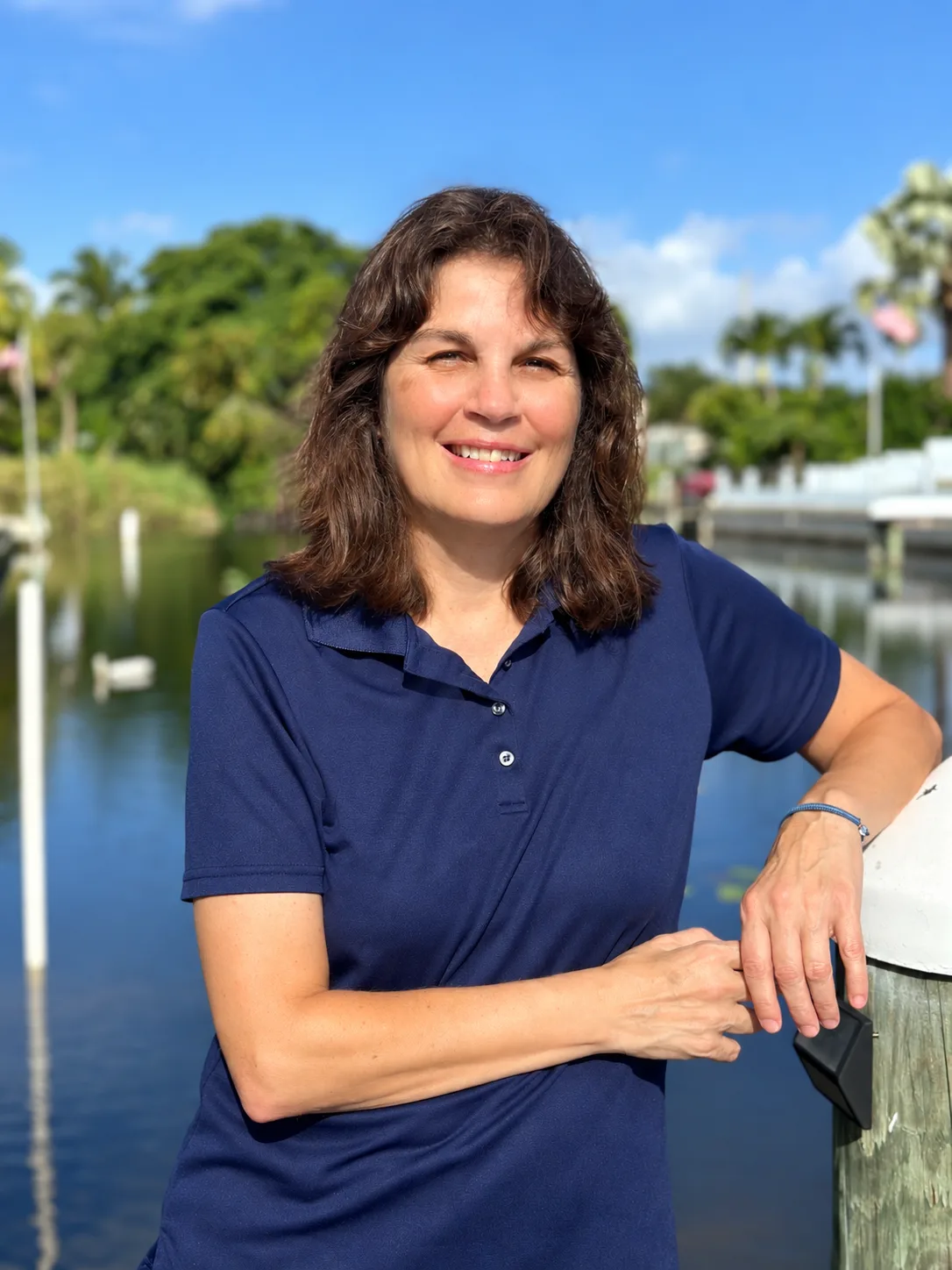
Written by Rhonda Townsend
1st Real Estate Solution Inc. Broker Associate · 12+ Years in Palm Beach County
Have questions about your downsizing journey? I'd love to have a conversation. No pressure, no obligation — just honest guidance from someone who understands.
Schedule a Free Consultation