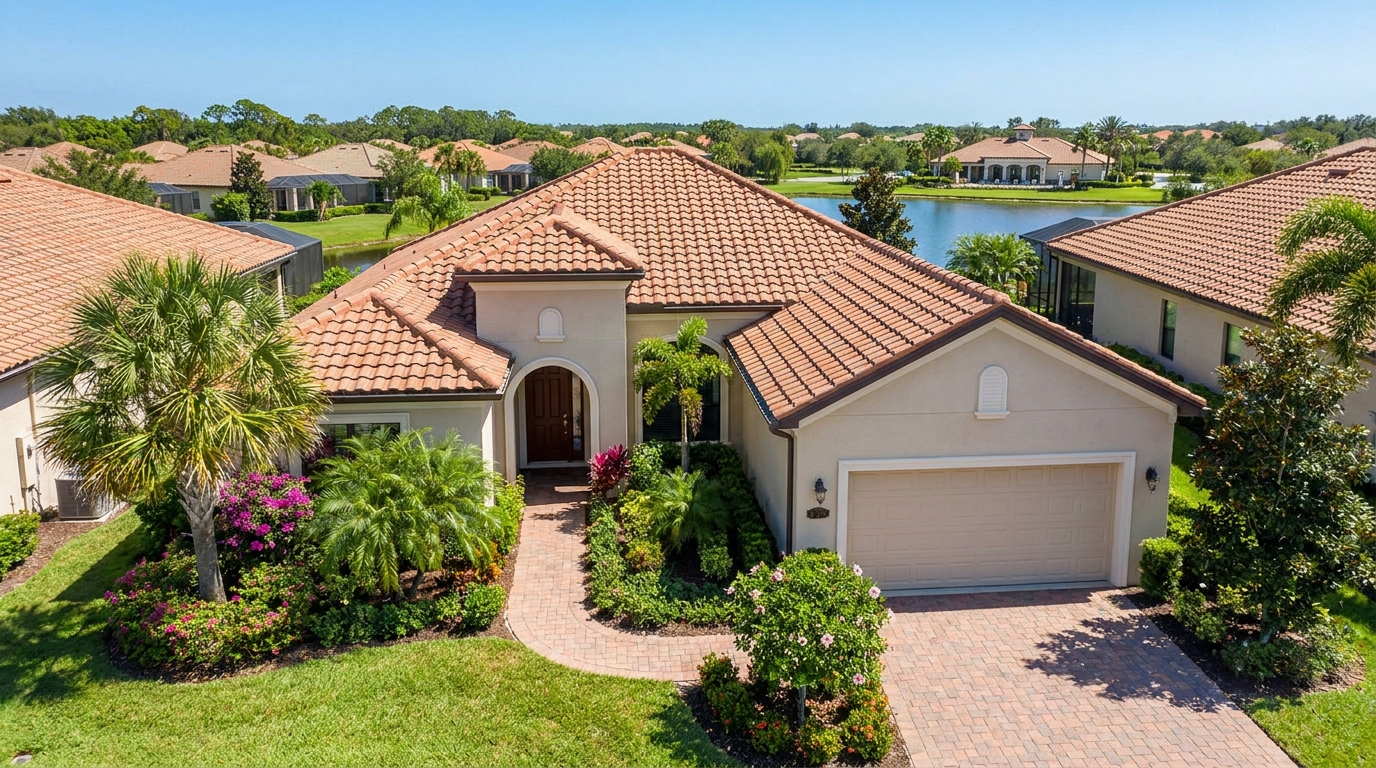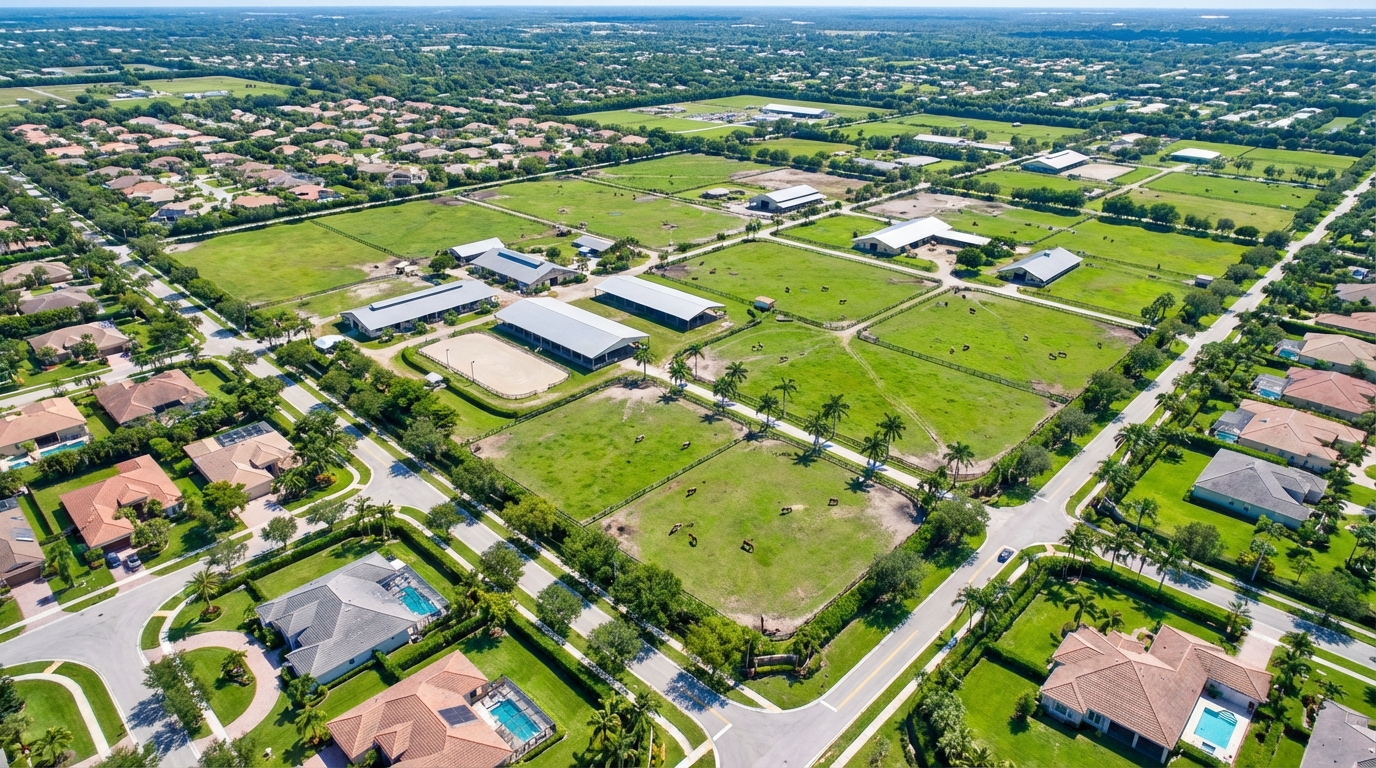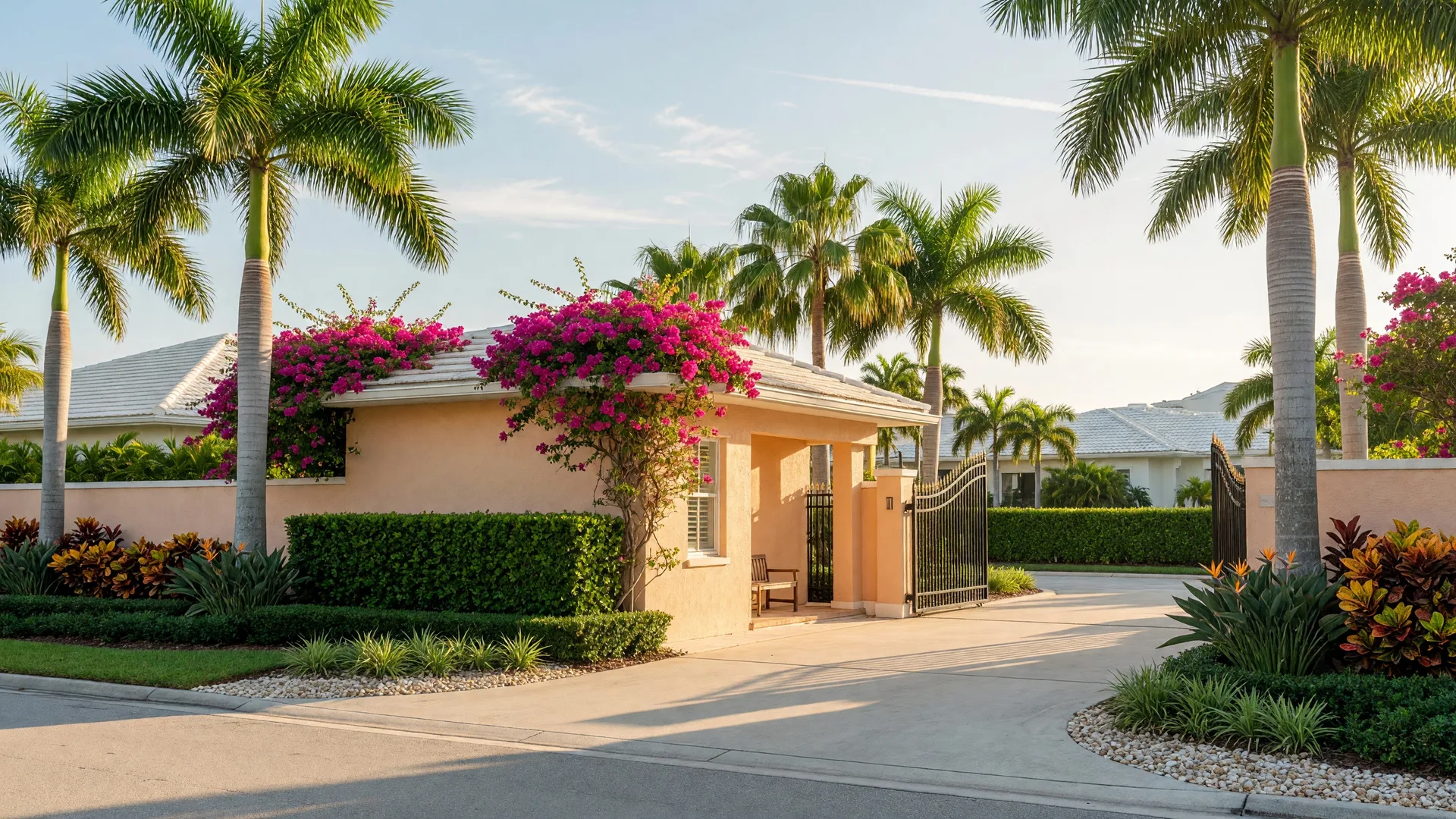
If you are considering downsizing to a condo, villa, townhome, or gated community in Palm Beach County, you will almost certainly encounter monthly homeowner association (HOA) or condominium association fees. Understanding what these fees cover, how they can change, and what special assessments mean for your budget is essential before making a purchase decision.
Many downsizers find that association-managed communities offer exactly what they are looking for: less maintenance, more amenities, and a lock-and-leave lifestyle. But the monthly fee is not the only cost. Special assessments, rising insurance premiums, and reserve funding requirements can all affect your total housing expense.
Hi, I'm Rhonda Townsend, Realtor with 1st Real Estate Solution Inc. and an AI Certified Agent. I help Palm Beach County homeowners evaluate their options when downsizing, and I believe that understanding the full cost of ownership is just as important as finding the right floor plan. This guide will help you ask the right questions about association fees so you can make a confident decision.
What Is the Difference Between an HOA and a Condo Association?
In Florida, HOAs and condo associations are governed by different state laws, and they handle maintenance and financial responsibilities differently.
Homeowners Associations (HOAs) are governed by Florida Chapter 720. They typically manage single-family home communities, townhome developments, and villa communities. The HOA is responsible for common areas such as landscaping, pools, clubhouses, and security gates. Individual homeowners are responsible for their own building exteriors, roofs, and insurance in most cases.
Condominium Associations are governed by Florida Chapter 718. In a condominium, you own the interior space of your unit, and the association owns and maintains the building exterior, common areas, and structural elements. Condo fees typically cover building insurance, roof maintenance, exterior painting, and common area upkeep.
This distinction matters because condominium associations in Florida have stricter financial requirements. Under Chapter 718, every condominium with a building three or more habitable stories must complete a Structural Integrity Reserve Study (SIRS) at least every 10 years. After January 1, 2025, full funding of SIRS-designated reserves is mandatory and cannot be waived by owner vote. This requirement was enacted after the Surfside condominium collapse in 2021 and has led to higher fees and special assessments across Florida.
For more details on the types of homes available, explore our Home Options page, which covers villas, condos, townhomes, and gated communities.
How Much Are Typical HOA and Condo Fees in Palm Beach County?
Fees vary widely depending on the property type, location, age of the community, and the amenities offered. Here are general ranges for Palm Beach County as of mid-2026:
- Condominiums: Monthly fees typically range from $400 to $800+ in many communities, with some luxury waterfront high-rises exceeding $1,200 per month. The median monthly condo fee countywide is approximately $470.
- Villas and Townhomes: HOA fees in villa and townhome communities generally range from $200 to $400 per month, covering exterior maintenance, landscaping, and community amenities.
- Single-Family Home Communities: HOA fees for single-family home neighborhoods tend to be lower, typically $100 to $300 per month, primarily covering common area maintenance and gate security.
- 55+ Active Adult Communities: Fees vary widely, from $200 per month in older communities to $1,200+ per month in country club communities with extensive amenities.
- Luxury Gated Communities: Premium communities with golf courses, tennis, fitness centers, and 24-hour guard service can range from $700 to $1,100+ per month.
These fees have been rising across all categories due to increased insurance costs, safety regulations, and reserve funding requirements. When budgeting for your next home, it is wise to assume that fees will increase by 3 to 5 percent annually, and occasionally more after reserve studies are updated.

What Do HOA and Condo Fees Typically Cover?
It is important to understand exactly what your monthly fee includes, because coverage varies significantly from one community to another.
Common HOA-covered expenses:
- Landscaping and grounds maintenance
- Community pool and clubhouse upkeep
- Security gates and patrol services
- Trash removal and recycling
- Street lighting and common area utilities
- Insurance for common areas (not your individual unit)
- Reserve fund contributions for future repairs
Common condo association-covered expenses:
- Building exterior maintenance and painting
- Roof repair and replacement
- Master building insurance policy (covering structure)
- Common area maintenance (hallways, elevators, lobby)
- Water, sewer, and trash services (in many buildings)
- Amenities such as pool, gym, and clubhouse
- Reserve fund contributions mandated by Florida law
Always review the community's governing documents and ask for a breakdown of what is and is not included. Some communities bundle cable, internet, or pest control into the fee. Others do not. Knowing these details helps you compare the true cost of different communities.
What Are Special Assessments and How Do They Work?
A special assessment is a one-time fee charged to homeowners when the association does not have enough reserve funds to cover an unexpected or major expense. Common examples include roof replacement, elevator repairs, pool resurfacing, road repaving, or structural repairs revealed by a reserve study.
Under Florida law, condominium associations have authority to approve special assessments without a unit owner vote in most cases, provided proper notice is given. The board must mail or deliver notice to all unit owners at least 14 days before the meeting where the assessment will be considered, stating the nature, estimated cost, and purpose of the assessment. After approval, the association must provide a written notice to each owner describing the specific purpose, and the funds collected may only be used for that stated purpose.
For HOAs governed by Chapter 720, the board's authority to levy special assessments depends on the community's governing documents. Some documents require a membership vote for assessments above a certain threshold.
Special assessments can range from a few hundred dollars to tens of thousands of dollars per unit, depending on the scope of the project and the size of the reserve shortfall. Since the Surfside condominium collapse, large special assessments for structural repairs have become more common across Florida.
Key takeaway: Always ask for the most recent reserve study and financial statements before purchasing. A well-funded association with adequate reserves is less likely to impose large special assessments.
What Is a Structural Integrity Reserve Study (SIRS) and Why Does It Matter?
Florida's Structural Integrity Reserve Study requirement was enacted in 2022 after the Champlain Towers South collapse in Surfside. Under Florida Statute 718.112(2)(g), every residential condominium with a building three or more stories must complete a SIRS at least every 10 years. The study evaluates the condition of structural components including the roof, load-bearing walls, foundation, waterproofing, and electrical systems.
As of January 1, 2025, full funding of SIRS-designated reserves is mandatory and cannot be waived by owner vote. This means that if a reserve study identifies a funding shortfall, the association must increase fees or levy assessments to cover it. This has led to significant fee increases at many buildings across Palm Beach County.
For downsizers, this is actually good news in one respect: it means the building you are considering is required to maintain adequate reserves for future structural repairs. However, it also means you should expect higher fees at buildings that have recently completed their first SIRS and discovered funding gaps.
HOAs governed by Chapter 720 are not subject to the SIRS requirement. If you are considering a villa or single-family home community, reserves are not mandated by state law, which means the association's financial health depends on the board's decisions.
What Questions Should You Ask Before Buying Into an Association?
Before making an offer on a condo, villa, or home in an HOA community, request and review the following documents:
- Recent financial statements: Review the association's balance sheet, income statement, and cash reserves. Look for trends in fee increases and reserve funding levels.
- Most recent reserve study: For condominiums, this is especially important. The study will tell you whether the association is adequately funding future repairs.
- Meeting minutes from the past year: Minutes can reveal ongoing disputes, planned projects, or discussions about special assessments.
- Rules and restrictions: Review pet policies, rental restrictions, age restrictions, parking rules, and any remodeling guidelines. Make sure they align with your lifestyle.
- Insurance coverage summary: Understand what the association's master policy covers and what you need to insure separately. This is especially important for condominium buyers.
- Pending or recent special assessments: Ask whether any special assessments have been levied in the past two years or are being planned.
- Litigation history: Check whether the association is involved in any lawsuits, which could affect fees or reserves.
Your real estatee agent can help you request these documents. As your agent, I will review them with you and help you understand what they mean for your budget and peace of mind. Visit our Sell and Buy Strategy page for more on coordinating your purchase.
How Do Rising Insurance Costs Affect Association Fees?
Insurance costs have been a major driver of rising HOA and condo fees across Florida. Condominium associations carry master insurance policies that cover the building structure, and premiums for these policies have increased significantly in recent years due to hurricane risk, litigation costs, and reinsurance expenses.
According to the Florida Office of Insurance Regulation, property insurance premiums in Florida have risen substantially across the state. For condo associations, these increases are passed through to unit owners as higher monthly fees or special assessments.
When evaluating a community, ask about recent insurance premium increases and whether the association has had difficulty obtaining coverage. Some buildings have faced challenges finding affordable insurance, which can lead to sudden fee increases.
For more information on costs associated with downsizing in Palm Beach County, see our Retiree Affordability in Palm Beach County: 2026 Guide.
How Can You Evaluate Whether an Association Fee Is Reasonable?
A reasonable fee depends on what is included and the financial health of the association. A low fee is not always a good sign. It could mean the association is underfunding reserves, deferring maintenance, or keeping fees artificially low to attract buyers. A high fee is not necessarily bad if it reflects adequate reserves, good maintenance, and valuable amenities.
Here are some guidelines for evaluating fees:
- Compare fees per square foot across similar communities in the same area. A condo fee of $0.50 to $0.80 per square foot per month is common in many Palm Beach County buildings.
- Ask what percentage of the fee goes to reserves versus operating expenses. A healthy association allocates at least 10 to 20 percent of its budget to reserves.
- Check whether the fee includes utilities. If water, sewer, trash, cable, or internet are included, the fee will naturally be higher.
- Consider the age of the building. Older buildings often have higher maintenance costs and may need larger reserve contributions.
- Look at fee history. Has the fee increased by a reasonable amount each year, or have there been large jumps?
If you are comparing communities across Palm Beach County, our Community Guides can help you explore different neighborhoods and their housing options.
How Can Rhonda Townsend Help You Evaluate Association Documents?
As an experienced Realtor with 1st Real Estate Solution Inc., I help downsizers in Palm Beach County evaluate not just the home itself, but the full cost of ownership. I can help you request and review association documents, compare fees across communities, and understand what your monthly costs will look like in different property types.
I have helped clients navigate the nuances of condo associations, HOA communities, and 55+ communities throughout Palm Beach County. If you are considering a condo, villa, or gated community, I can help you ask the right questions and make an informed decision.
Ready to explore your options? Schedule a free consultation to discuss your downsizing goals. You can also reach me at 561-236-9772 or rtownsendrealestate@gmail.com.
For a step-by-step overview of the entire downsizing process, download our free Palm Beach County Downsizing Guide.
Frequently Asked Questions
Can HOA fees increase after I buy?
Yes. HOA and condo fees can increase annually based on the association's budget needs. Most associations raise fees incrementally each year, but larger increases can occur after reserve studies or when insurance premiums rise significantly. When budgeting for a home in an association, plan for annual increases of 3 to 5 percent.
What happens if I cannot pay a special assessment?
In Florida, associations can place a lien on your property for unpaid assessments and, in some cases, foreclose. If a large special assessment is pending, some associations offer payment plans. It is always wise to review the association's financial health before purchasing to minimize the risk of unexpected large assessments.
Are HOA fees tax deductible?
HOA and condo fees are generally not tax deductible for a primary residence. However, if you use part of your home as a qualified home office or rent out the property, a portion of the fees may be deductible. Consult a qualified tax professional for advice specific to your situation.
Can I rent out my condo or villa if I decide to travel?
Many associations have rental restrictions. Some limit the number of rentals in the community, require minimum lease terms, or prohibit short-term rentals altogether. Always review the association's rental policies before purchasing, especially if you plan to rent the property when you travel.
What is the difference between a condo fee and a special assessment?
A condo fee is a regular monthly payment for ongoing operating expenses and reserve contributions. A special assessment is a one-time charge for unexpected or major expenses that the reserve fund cannot cover. Special assessments are typically larger and less predictable than regular fee increases.
Sources
- Florida Statutes, Chapter 718: Condominium Act
- Florida Statutes, Chapter 720: Homeowners' Association Act
- Florida Realty Marketplace, Average HOA Fees in Florida Compared 2026
- Florida Search, Understanding HOA Dues in Palm Beach County
- PropFusion, Florida Reserve Study Requirements 2026
- HOA Base, Florida HOA Laws: Complete 2026 Guide to Chapter 720
- Palm Beach County Government
Related Resources
- Insurance Guide for Downsizers in Palm Beach County — Learn about HO6 policies, flood insurance, and wind mitigation for your next home.
- The Complete Downsizing Guide — Your comprehensive resource for every step of the process.
Disclaimer
This article is for general educational and real estatee information purposes only. It does not provide legal, tax, financial, or insurance advice. HOA and condo fees, special assessments, and association rules vary by community. Always consult a qualified professional for advice specific to your situation, and review all association documents carefully before making a purchase decision.

Written by Rhonda Townsend
1st Real Estate Solution Inc. Broker Associate · 12+ Years in Palm Beach County
Have questions about your downsizing journey? I'd love to have a conversation. No pressure, no obligation — just honest guidance from someone who understands.
Schedule a Free Consultation