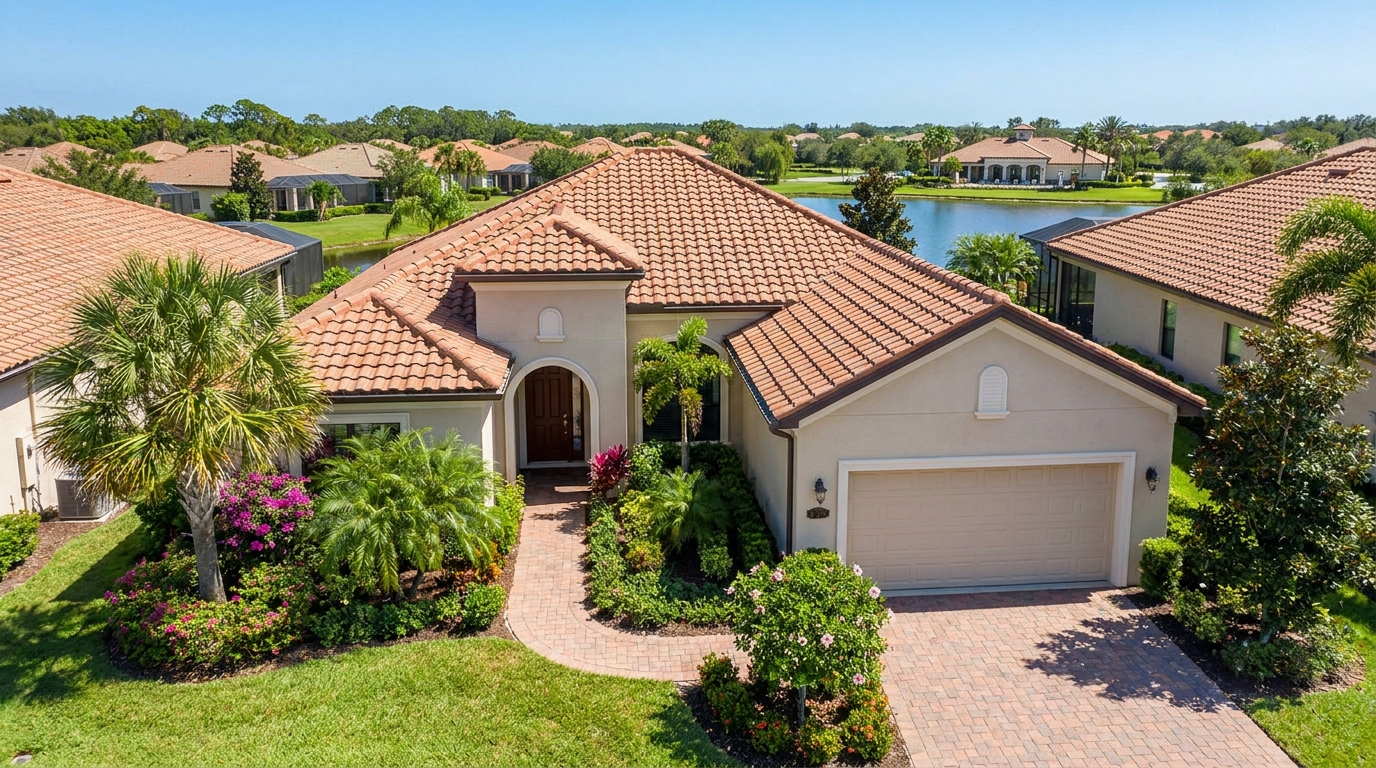
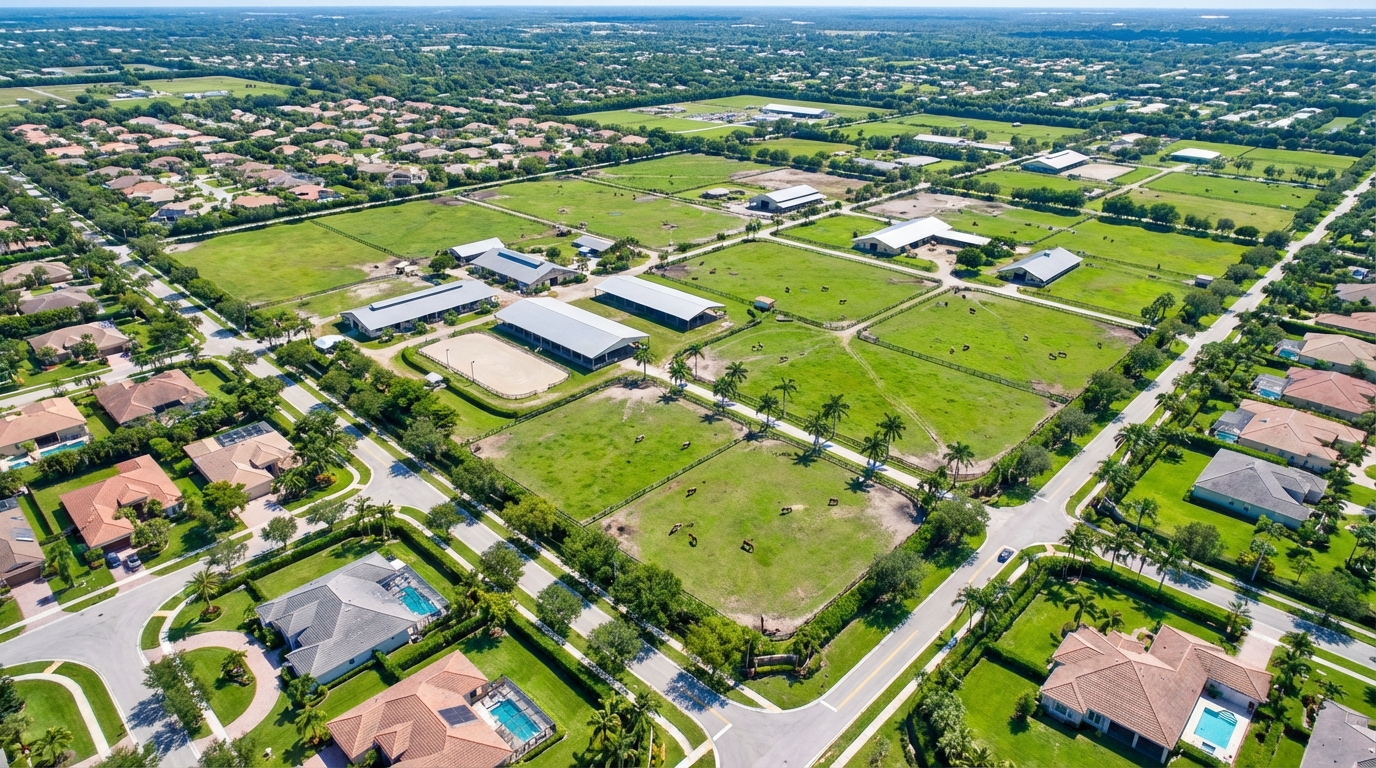
What affordable means for retirees in Palm Beach County in 2026 has less to do with finding the lowest-priced listing and more to do with protecting your monthly cash flow after you move.
A $200,000 condominium may appear more affordable than a $350,000 villa. But what happens when the condo includes a $900 monthly association fee, an upcoming special assessment, higher insurance costs, and limited reserves?
That is where the definition of affordability changes.
For a retiree who is downsizing, an affordable home should fit comfortably within your regular retirement income while leaving room for healthcare, transportation, travel, family, emergencies, and the activities you hope to enjoy. The home should not merely be affordable on closing day. It should remain manageable during an expensive month or an unexpected year.
I'm Rhonda Townsend with 1st Real Estate Solution Inc., and I help Palm Beach County homeowners compare downsizing options based on the complete picture. That includes the home's price, property taxes, association costs, insurance considerations, maintenance responsibilities, accessibility, location, and how much financial flexibility you want to preserve. Our guide to retiree affordability in Palm Beach County in 2026 provides specific pricing data and budgeting guidance.
The real affordability question is not, "Can I buy this home?" It is, "Can I own this home comfortably for years?"
What Does "Affordable" Mean for a Retiree in Palm Beach County?
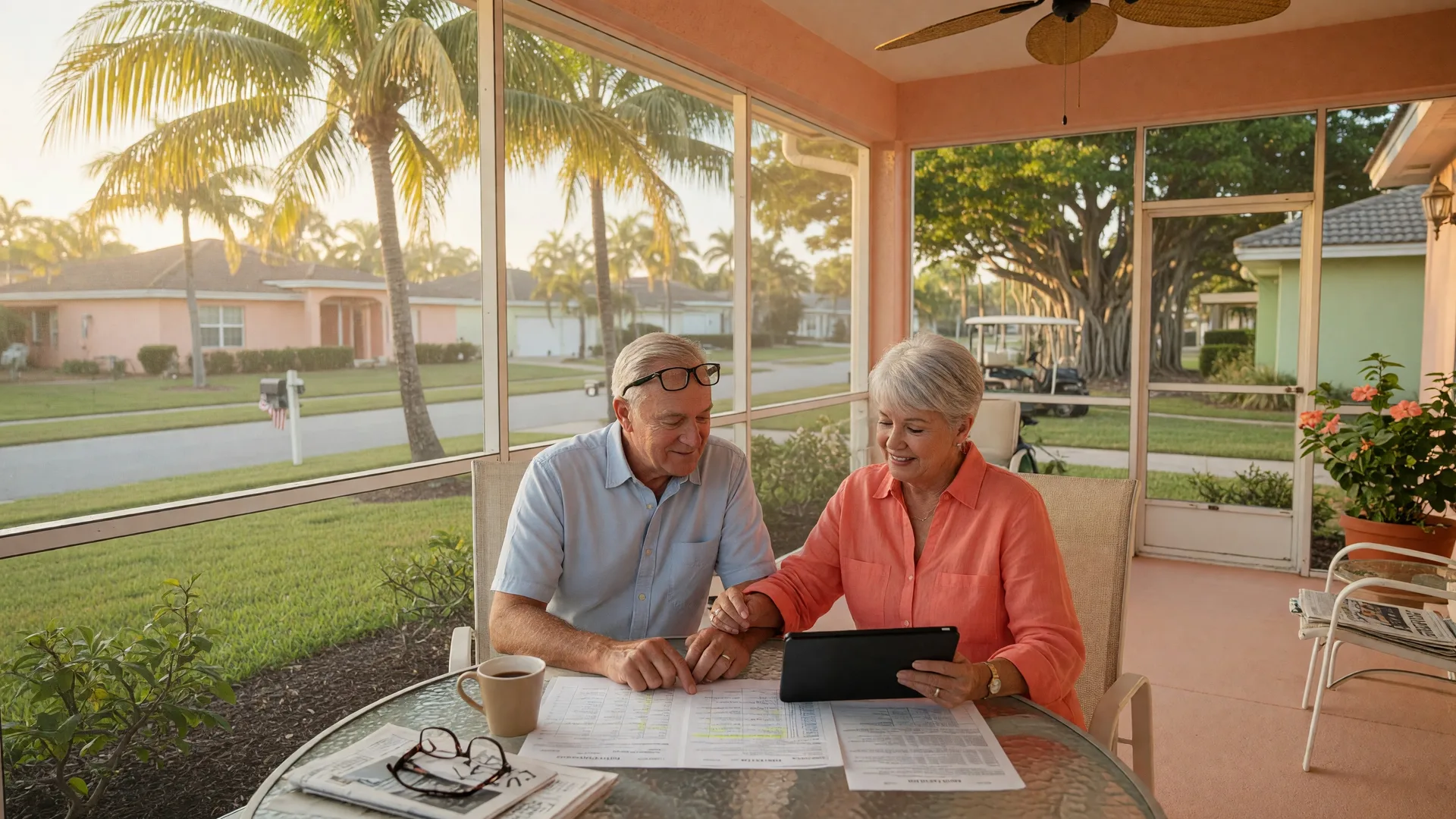
An affordable retirement home is one whose complete monthly cost fits your dependable income without forcing you to sacrifice other important needs.
Housing affordability is often discussed using the 30% guideline. HUD generally describes housing as affordable when gross housing costs, including utilities, do not exceed 30% of income. HUD also calls this an approximate guideline rather than a perfect rule for every household. (HUD User)
For retirees, the guideline can be too simple.
Two households with the same monthly income may have completely different financial needs. One may have significant healthcare expenses, while another has long-term care insurance and few debts. One may receive a pension, while another depends heavily on investment withdrawals.
Your personal affordability number should consider:
- Reliable monthly retirement income
- Social Security, pension, and investment income
- Healthcare and prescription expenses
- Existing debt
- Transportation costs
- Travel and family commitments
- Cash reserves after closing
- Expected home repairs
- Possible association-fee increases
- Your comfort with financial risk
A home that consumes every available dollar may technically fit a lender's calculation, but that does not make it a comfortable retirement choice.
Affordability should create breathing room.
How Much Do Palm Beach County Homes Cost in 2026?
Palm Beach County's 2026 housing prices vary substantially by property type, location, condition, age, and community.
In May 2026, the countywide median sale price was $675,000 for single-family homes and $345,000 for existing condominiums. These figures are medians, meaning half of the homes sold for more and half sold for less. They are not a recommended retirement budget. (MIAMI REALTORS® and RWorld)
There are homes available below those figures, particularly among:
- Older condominiums
- Inland communities
- Smaller villas
- Age-restricted communities
- Homes requiring cosmetic updates
- Properties farther from the ocean and downtown districts
However, a lower sale price may come with higher monthly fees, greater repair needs, financing restrictions, or upcoming assessments.
The May data also showed that 62% of Palm Beach County condo purchases were completed with cash. This matters because retirees shopping with home-sale proceeds may compete with other cash buyers, particularly for well-priced, lower-maintenance properties.
The market price is only the first number to evaluate.
Why Is a Smaller Home Not Always Less Expensive?
Downsizing reduces square footage, but it does not automatically reduce the full cost of ownership.
A condominium may remove lawn care and exterior maintenance from your weekly routine, but those services are funded through association dues. A villa may offer a garage and more privacy, but the owner may be responsible for the roof, windows, insurance, or plumbing.
A smaller single-family home may have no large association fee, but it can require more personal maintenance.
Consider these examples:
- A $225,000 condo with an $850 monthly fee may cost more each month than expected.
- A $325,000 villa with a $350 fee may require the owner to insure and maintain more of the structure.
- A $425,000 small house with no HOA may require budgeting for landscaping, exterior repairs, roofing, and storm protection.
- A newer $400,000 townhome may have lower repair needs but a mortgage payment and community fees.
What looks inexpensive from the listing price can become costly once every expense is included.
On the other hand, a home with a slightly higher purchase price may be more predictable if it has a newer roof, impact windows, strong reserves, reasonable dues, and fewer anticipated repairs.
Affordable does not always mean cheapest. It often means most manageable.
Which Expenses Belong in a Retirement Housing Budget?
Your retirement housing budget should include every predictable ownership expense and a reserve for the costs you cannot predict.
At minimum, calculate:
Mortgage payment or cash commitment
A cash purchase eliminates a monthly mortgage, but it also converts liquid savings into home equity. Consider how much accessible cash will remain after closing.
Property taxes
Do not rely on the current owner's tax bill. When ownership changes, the property's assessed value may reset to market value before your exemptions and eligible portability benefits are applied. (Palm Beach County Property Appraiser)
Homeowners and flood insurance
Premiums are property-specific. Construction, roof age, storm protection, location, claims history, flood exposure, and coverage choices can all affect the cost.
HOA, condominium, recreation, or club fees
Determine exactly what the fee covers. Some communities include exterior insurance, landscaping, cable, water, recreation, roof maintenance, or building reserves. Others cover far less.
Utilities
Include electricity, water, internet, cable, pest control, and any services not included in the association fee.
Maintenance and repairs
Even a well-maintained home needs appliances, air-conditioning service, plumbing repairs, interior updates, and other replacements.
Special-assessment reserve
A special assessment may not be due today, but that does not mean one will never occur. Keeping personal reserves can reduce the stress of an unexpected association bill.
Transportation and accessibility
A less expensive inland property may require more driving. A walkable location may cost more but reduce transportation needs. Accessibility modifications can also become important over time.
What Could "Affordable" Look Like With a $2,500 Monthly Housing Budget?
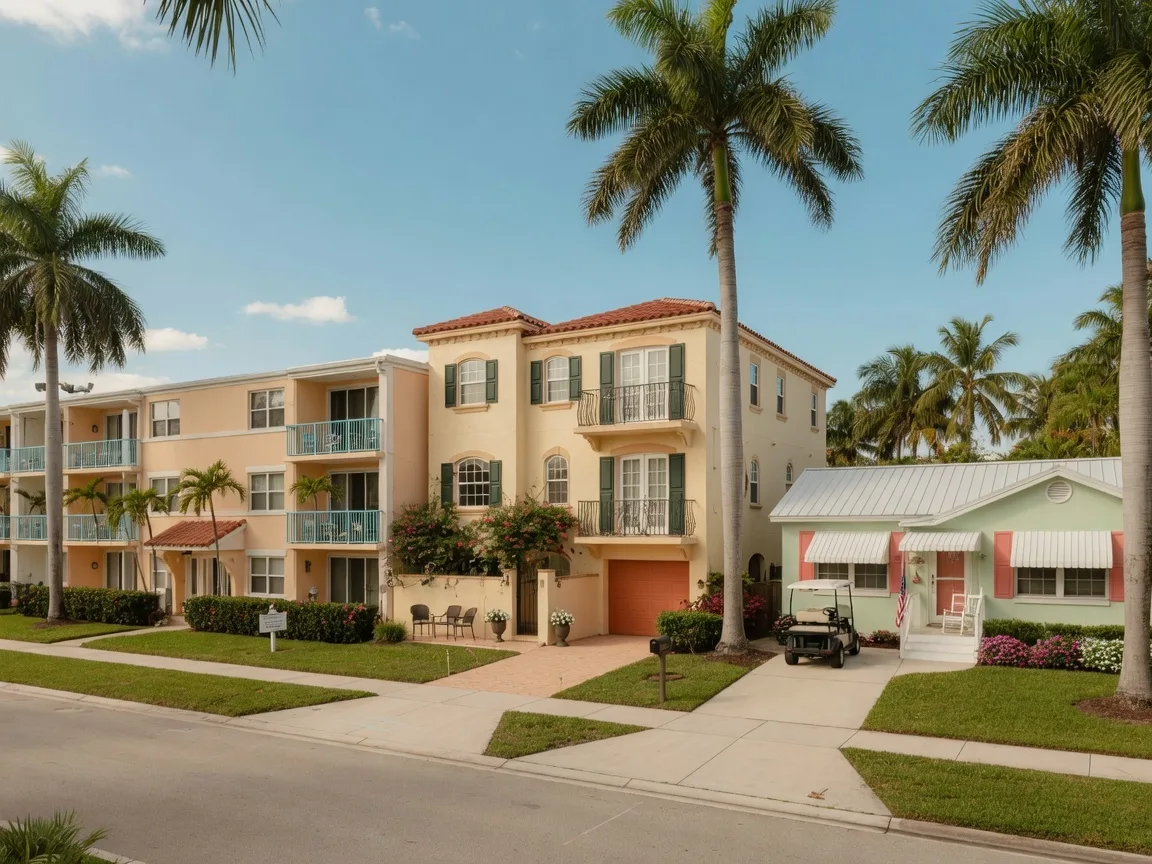
A $2,500 monthly housing limit may work best with a cash purchase, modest association fees, and a property with predictable maintenance.
Here is one educational example:
| Monthly expense | Illustrative amount |
|---|---|
| Property taxes | $300 |
| Insurance | $225 |
| Association fee | $500 |
| Utilities | $250 |
| Maintenance and repair reserve | $300 |
| Additional housing cushion | $925 |
| Monthly limit | $2,500 |
This example assumes no mortgage payment. The $925 cushion could absorb fee increases, larger repairs, or other ownership expenses rather than being treated as spendable income.
A retiree working within this limit might explore:
- An older low-rise condo
- A modest 55-plus villa
- An inland property
- A community with fewer luxury amenities
- A home purchased primarily with proceeds from the current residence
The challenge is that a very low purchase price can be distracting. A $160,000 condo with an $850 monthly fee and a pending assessment may be less sustainable than a $240,000 villa with lower fees and healthier reserves.
At this budget level, preserving cash after closing is especially important. Spending every available dollar on the purchase could leave too little for repairs, healthcare, or moving expenses.
What Could "Affordable" Look Like With a $3,500 Monthly Housing Budget?
A $3,500 monthly limit may offer more choices among villas, townhomes, established 55-plus communities, and smaller homes.
An illustrative monthly plan might look like this:
| Monthly expense | Illustrative amount |
|---|---|
| Small mortgage or financing payment | $900 |
| Property taxes | $400 |
| Insurance | $275 |
| Association fee | $625 |
| Utilities | $275 |
| Maintenance and repair reserve | $350 |
| Additional housing cushion | $675 |
| Monthly limit | $3,500 |
With this budget, a retiree may be able to choose between two very different ownership models.
Option one: A community with a higher fee that covers landscaping, exterior maintenance, recreation, cable, and certain insurance expenses.
Option two: A property with lower dues where the owner is responsible for more maintenance.
The first option may provide convenience and predictable service. The second may provide more control, but it can expose the owner to larger individual repair costs.
Which is more affordable?
The answer depends on which responsibilities you want to manage, how much cash you have reserved, and what services you would otherwise pay for separately.
What Could "Affordable" Look Like With a $5,000 Monthly Housing Budget?
A $5,000 monthly limit can expand your choices, but a larger budget still needs boundaries.
Here is an example:
| Monthly expense | Illustrative amount |
|---|---|
| Mortgage or financing payment | $1,700 |
| Property taxes | $625 |
| Insurance | $400 |
| Association or club fee | $875 |
| Utilities | $300 |
| Maintenance and repair reserve | $450 |
| Additional housing cushion | $650 |
| Monthly limit | $5,000 |
This budget might support:
- A newer condominium closer to downtown
- A larger villa
- A townhome with modern storm protection
- A smaller single-family home
- A property in a community with extensive amenities
However, it may still be easy to exceed the limit.
A coastal condominium could include a large association fee. A club community may require membership costs. A single-family home may carry higher insurance and exterior-maintenance expenses.
The goal should not be to spend the full $5,000 every month. A home becomes more resilient when part of the budget remains available for increases and surprises.
These examples are planning illustrations only. They are not estimates for a specific property or household.
Which Palm Beach County Housing Options May Offer Retirees Better Value?
Better value is often found by matching the property type and location to the expenses and responsibilities you are prepared to carry.
Boynton Beach
Boynton Beach offers a broad selection of active-adult communities, villas, condos, and smaller single-family homes. Inland areas may offer different price points than locations closer to the Intracoastal and ocean.
Delray Beach
Delray Beach includes established 55-plus communities, villas, condos, and single-family neighborhoods. Prices and fees can vary significantly depending on proximity to downtown, Atlantic Avenue, and the coast.
Greenacres and Lake Worth-area communities
These areas may offer condos, villas, townhomes, and smaller residences at price points that differ from Palm Beach County's most expensive coastal markets.
West Palm Beach
West Palm Beach includes older active-adult condos, urban residences, low-rise communities, villas, and suburban neighborhoods. Downtown access and newer construction often affect pricing.
Royal Palm Beach and Wellington
Retirees who prefer inland living may find villas, townhomes, and single-family communities with more space. Association structures and insurance responsibilities still need careful comparison.
Boca Raton
Boca Raton includes older 55-plus condos and villas, along with higher-priced downtown, coastal, luxury, and club-community options. Some communities may include mandatory memberships or significant fees.
The important word is may. No entire city can be labeled affordable for every retiree.
One community may offer a low purchase price with high monthly dues. Another may have higher prices but fewer mandatory costs. Evaluate individual properties rather than relying on a citywide reputation.
Are 55-Plus Communities More Affordable for Retirees?
A 55-plus community can be affordable, but age restrictions do not guarantee low housing costs.
These communities may offer:
- Smaller homes
- Social programs
- Clubhouses and pools
- Fitness facilities
- Organized activities
- Landscaping
- Exterior maintenance
- Transportation or community services
Those benefits can reduce the need to pay for entertainment, lawn care, or private amenities separately.
Still, you should examine:
- Monthly and annual dues
- Application and transfer fees
- Required memberships
- Recreation fees
- Pet and vehicle restrictions
- Rental limitations
- Guest and occupancy rules
- Reserve funding
- Pending assessments
- What the association does not cover
A community with a $700 monthly fee could be a good value when it includes extensive services you will use. The same fee may feel excessive if you rarely use the amenities.
Affordability is personal because value is personal.
How Do Condo Fees, Reserves, and Special Assessments Affect Affordability?
Condo fees and reserve obligations can change the cost of a unit long after you purchase it.
Florida requires qualifying condominium and cooperative buildings of three stories or more to complete Structural Integrity Reserve Studies. Many existing associations were required to complete their studies by December 31, 2025, and affected associations began funding required reserves by 2026, depending on their budget timing and other legal requirements. (Florida Department of Business and Professional Regulation)
Reserve funding is designed to prepare for major structural components and repairs. It may also cause an association's regular fees to rise when prior funding was insufficient.
Before purchasing a condo, ask to review:
- The current association budget
- The latest Structural Integrity Reserve Study, when required
- Milestone-inspection reports, when applicable
- Reserve balances
- Insurance information
- Board and membership meeting minutes
- Pending litigation
- Existing and proposed assessments
- The history of fee increases
- Planned repair projects
A low monthly fee is not always a positive sign. It may indicate efficient management, or it may indicate that the association has postponed reserve funding and repairs.
The better question is: Does the fee realistically support the building's obligations?
Can Palm Beach County Senior Property-Tax Exemptions Help?
Eligible Palm Beach County homeowners age 65 or older may qualify for an additional limited-income senior exemption.
For the 2026 exemption, the household income limit is $38,686, based on the prior year's income and subject to the Property Appraiser's eligibility and income rules. Applicants must already qualify for homestead exemption. (Palm Beach County Property Appraiser)
The exemption applies only to taxes levied by participating authorities. Palm Beach County offers a $25,000 exemption, and several municipalities offer their own additional amounts. Delray Beach, Boynton Beach, Palm Beach Gardens, Lake Worth Beach, and West Palm Beach were among the participating municipalities listed for 2026.
Boynton Beach and Delray Beach also offer an additional benefit for certain qualifying longtime residents who have owned and permanently occupied the property for at least 25 years and meet the property-value and income requirements.
These exemptions may reduce qualifying property taxes, but they do not reduce:
- Association fees
- Insurance premiums
- Utilities
- Maintenance
- Club fees
- Special assessments
Applications and supporting documents are generally due by March 1. Confirm current eligibility directly with the Palm Beach County Property Appraiser.
How Could the November 2026 Homestead Amendment Affect Retirees?
Florida's proposed 2026 homestead amendment could reduce certain non-school property taxes for qualifying homeowners if voters approve it.
The active proposal would exempt the first $250,000 of a qualifying homestead's value from levies other than school district taxes. It would take effect January 1, 2027, if approved. The proposal also includes a five-year Florida residency requirement for certain people establishing residency after January 1, 2027. (Florida Department of State)
The measure would not automatically eliminate:
- School district property taxes
- Association fees
- Insurance
- Special assessments
- Utilities
- Maintenance costs
- Non-ad valorem charges
The amendment is still a proposal. A retiree should not purchase a home that is affordable only if the measure passes or produces a particular level of savings.
Build your plan under current law, then treat any future reduction as a possible benefit rather than a requirement for making the budget work.
How Do Homestead Portability and a Tax Reset Affect Downsizing?
Your new home's property taxes may be very different from the seller's current bill, even when you are moving to a less expensive property.
Palm Beach County explains that a change in ownership can reset the assessed value to market value. Homestead exemptions are then applied if the new owner qualifies, and the Save Our Homes cap generally affects future assessment increases.
Eligible Florida homeowners may also transfer up to $500,000 of accumulated Save Our Homes assessment benefit from a former homestead to a new qualifying Florida residence. This process is known as portability. (Palm Beach County Property Appraiser)
Portability is not automatic. The Property Appraiser says homeowners generally must:
- Establish the new homestead within the permitted period
- Apply for homestead exemption
- Apply separately for portability
- Meet the March 1 application deadline
Before making an offer, request an estimated tax calculation based on your ownership and exemption situation. Do not assume that the tax amount shown in the listing will become your tax bill.
How Can Retirees Compare Two Downsizing Homes Accurately?
Compare the expected five-year cost and responsibilities of each property, not just the purchase prices.
Create a side-by-side worksheet covering:
| Category | Home A | Home B |
|---|---|---|
| Purchase price | ||
| Estimated cash required | ||
| Mortgage payment | ||
| Estimated property taxes after purchase | ||
| Portability estimate | ||
| Insurance estimate | ||
| Monthly association fee | ||
| Club or recreation fees | ||
| Current assessments | ||
| Expected repairs | ||
| Utilities | ||
| Transportation costs | ||
| Accessibility modifications | ||
| Five-year estimated cost |
Then compare lifestyle questions:
- Is the home easy to enter and move through?
- Are the bedrooms and essential living spaces on one level?
- Is covered parking important?
- How far is the home from healthcare, family, groceries, and recreation?
- Will you use the community amenities?
- Are you comfortable with the association's rules?
- Would you feel financially secure after closing?
A home that costs more upfront could be the better long-term value when it offers predictable expenses, accessibility, and lower maintenance.
What Questions Should You Ask Before Calling a Home Affordable?
Before deciding, ask:
- What exactly is included in the association fee?
- How often has the fee increased?
- Are special assessments pending or being discussed?
- Has the association completed required inspections and reserve studies?
- What could my property taxes be after the ownership change?
- Am I eligible for portability or senior exemptions?
- Can I obtain insurance at a manageable cost?
- Which repairs will be my responsibility?
- How much cash will remain after closing and moving?
- Can I carry the home during an expensive year?
- Will the layout still serve me if my mobility changes?
- Does the location support the lifestyle I actually want?
These questions may not be as exciting as choosing countertops or planning a Florida room, but they can protect your retirement.
How Can Rhonda Townsend Help You Downsize in Palm Beach County?
Rhonda Townsend with 1st Real Estate Solution Inc. can help you compare Palm Beach County homes and communities according to your full budget, lifestyle, and long-term priorities.
Your downsizing search may include:
- Condos
- Villas
- Townhomes
- Smaller single-family homes
- 55-plus communities
- Gated communities
- Low-maintenance neighborhoods
- Homes closer to healthcare, family, dining, or recreation
I can help you identify ownership questions to investigate, compare association structures, review property characteristics, and coordinate the sale of your current home with your next purchase.
I do not provide tax, financial, legal, insurance, or association-document advice. However, I can help you gather the information needed to have informed conversations with your property appraiser, tax professional, attorney, financial adviser, insurance agent, and association specialist.
Ready to Define What Affordable Means for You?
Affordable retirement living is not about finding the smallest home or lowest price.
It is about choosing a home that supports your finances, health, independence, and lifestyle while preserving enough flexibility for whatever comes next.
A successful downsizing move should leave you feeling lighter, not financially trapped.
Thinking about downsizing in Palm Beach County? Contact Rhonda Townsend with 1st Real Estate Solution Inc. to compare lower-maintenance homes and communities based on your complete monthly budget, lifestyle, and plans for retirement.
Frequently Asked Questions
How much should a retiree spend on housing each month?
The traditional guideline is to keep gross housing costs near or below 30% of income, including utilities. However, retirees should adjust that percentage based on healthcare expenses, debt, savings, income stability, travel plans, and future care needs. A more conservative limit may provide valuable flexibility.
Is buying a condo cheaper than owning a small house in Palm Beach County?
A condo may have a lower purchase price, but it is not automatically cheaper to own. Association fees, reserve funding, assessments, insurance, and building repairs can increase the monthly cost. A small house may have fewer mandatory fees but require more personal maintenance and insurance.
How much should retirees budget for HOA or condominium fees?
There is no standard amount because fees depend on the property, amenities, insurance structure, staffing, reserves, and included services. Review what the fee covers and examine its increase history. Add room to your budget for future increases rather than assuming the current amount will remain unchanged.
Can downsizing increase your monthly housing expenses?
Yes. A smaller home may have higher property taxes after the ownership change, a mortgage, association fees, insurance expenses, or special assessments. Compare the full monthly and five-year ownership costs before deciding that a move will save money.
Do seniors receive property-tax discounts in Palm Beach County?
Some homeowners age 65 or older may qualify for Palm Beach County's limited-income senior exemption. The 2026 household income limit is $38,686, and the benefit applies only to participating taxing authorities. Eligibility, application deadlines, and exemption amounts should be confirmed with the Palm Beach County Property Appraiser.
Related Resources
- Insurance Guide for Downsizers in Palm Beach County — Learn how insurance costs affect your downsizing budget.
- HOA Fees and Condo Associations: What Downsizers Should Know.
Sources
- HUD User, Affordable Housing Definition
- MIAMI REALTORS® and RWorld, May 2026 Palm Beach County Housing Data
- Palm Beach County Property Appraiser, Limited-Income Senior Exemption
- Palm Beach County Property Appraiser, Homestead Exemption
- Palm Beach County Property Appraiser, Exemption Services and Assessment Reset
- Palm Beach County Property Appraiser, Save Our Homes Portability
- Florida Department of Business and Professional Regulation, Condominium Inspections and Reserve Studies
- Florida Department of Business and Professional Regulation, Condominium FAQs
- Florida Department of State, Proposed 2026 Homestead Amendment
Disclaimer
This article is for general educational and real estatee information only. It does not provide tax, legal, financial, insurance, accounting, association, or voting advice. Housing expenses, exemptions, eligibility, assessments, insurance costs, and community obligations vary by property and homeowner. Consult the appropriate qualified professionals before making a purchase or financial decision.
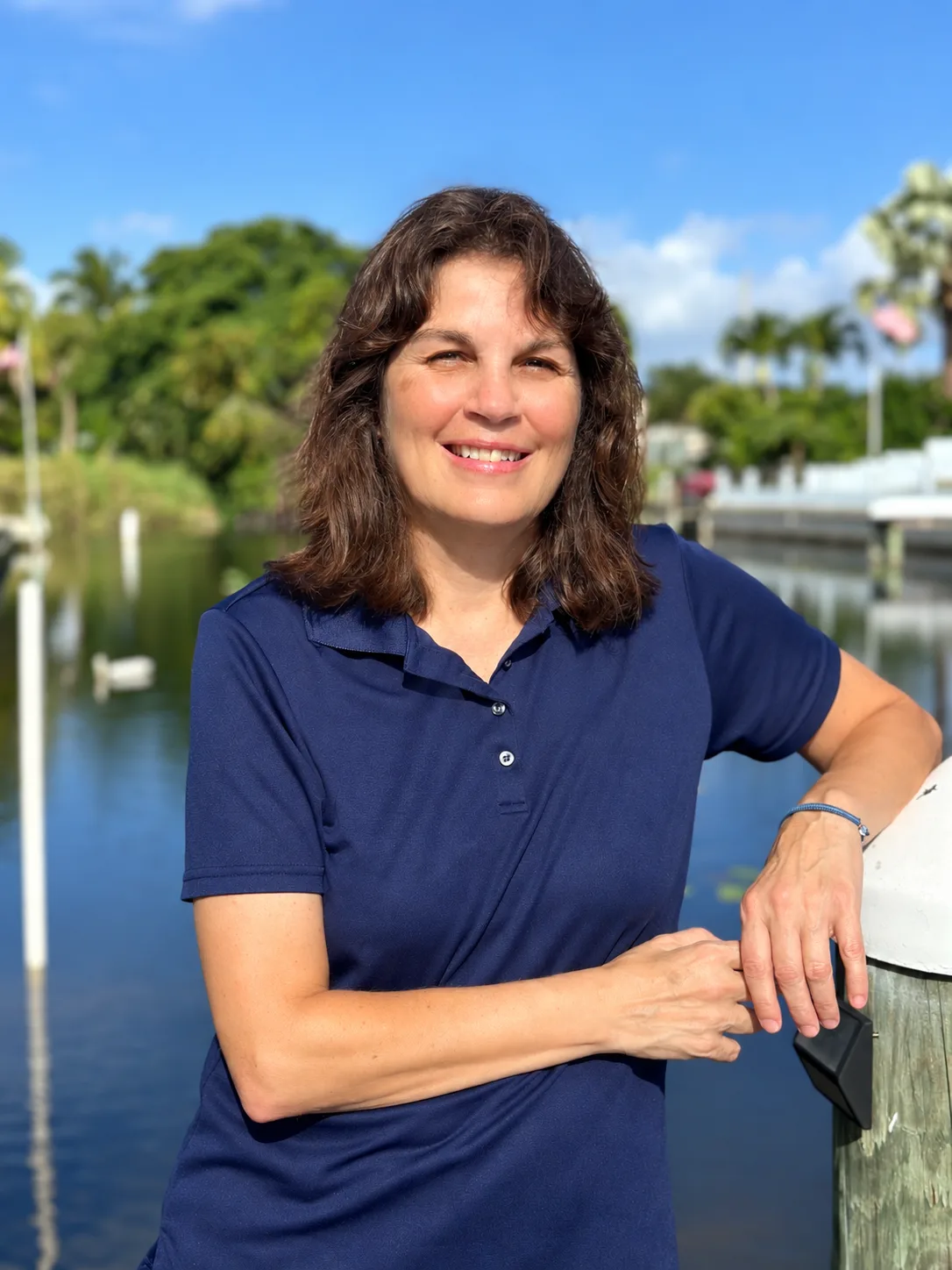
Written by Rhonda Townsend
1st Real Estate Solution Inc. Broker Associate · 12+ Years in Palm Beach County
Have questions about your downsizing journey? I'd love to have a conversation. No pressure, no obligation — just honest guidance from someone who understands.
Schedule a Free Consultation