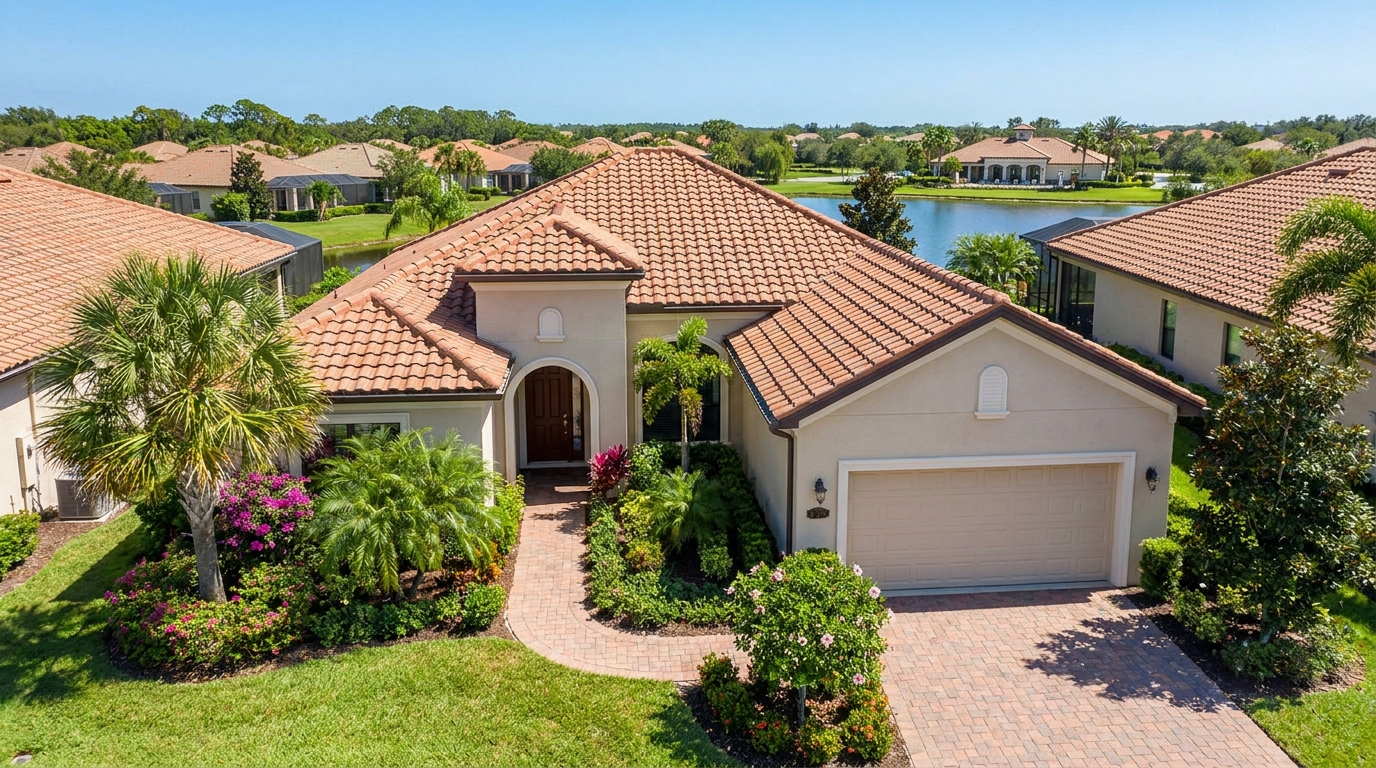
The Florida homestead exemption amendment 2026 for downsizing homeowners could affect how much you pay in non-school property taxes after moving to a smaller South Florida home.
Here is the number getting everyone's attention: if voters approve Amendment 3, the proposal would eventually exempt up to $250,000 of a qualifying homestead's assessed value from non-school property taxes. However, that does not mean every homeowner will save the same amount, and it does not mean all property taxes would disappear.
For retirees, empty nesters, longtime homeowners, and families helping aging parents, the bigger question is practical: How could the amendment affect a downsizing move?
The answer depends on several factors, including your current assessed value, accumulated Save Our Homes benefit, portability eligibility, the value of your next home, residency history, local tax rates, and whether the amendment receives voter approval.
I'm Rhonda Townsend with 1st Real Estate Solution Inc., and I help South Florida homeowners explore homes and communities that fit the next stage of their lives. My role is to help you evaluate the real estatee side of downsizing, including location, property type, maintenance needs, association costs, and lifestyle. Property-tax questions should also be reviewed with your county property appraiser and a qualified tax professional.
Last updated July 9, 2026: Amendment 3 is currently listed by the Florida Department of State as an active measure on the November 2026 ballot. Legal challenges concerning its ballot language are pending, so homeowners should confirm its official status before Election Day.
What Is the Florida Homestead Exemption Amendment on the November 2026 Ballot?
Amendment 3, titled "Save Our Homes from Excessive Property Taxes," is a proposed amendment to the Florida Constitution that would expand the homestead exemption for certain non-school property-tax levies.
The Florida Department of State lists it as Ballot Number 3 for the 2026 general election. Election Day is November 3, 2026, and a Florida constitutional amendment requires approval from at least 60% of participating voters to pass.
The measure is still only a proposal. Current property-tax law remains in effect unless voters approve the amendment.
If approved, the amendment would take effect January 1, 2027. Its provisions extend beyond the homestead exemption and also address assessment caps for certain non-homestead properties, permitted uses of local property-tax revenue, and a potential future process for additional non-school property-tax relief.
How Would Amendment 3 Change Florida's Homestead Exemption?
For qualifying homeowners, the proposed amendment would increase the exemption for non-school property taxes to $150,000 in 2027 and $250,000 in 2028.
Beginning in 2029, the expanded amount would receive positive inflation adjustments under the proposal.
Under current law, an eligible Florida homestead may receive an exemption of up to $50,000. The first $25,000 applies to all property taxes, including school district taxes. The additional exemption applies to assessed value above $50,000 and generally applies only to non-school taxes.
The proposed schedule can be summarized this way:
- Current law: Up to $50,000 in homestead exemptions, subject to the existing rules
- Beginning January 1, 2027: Up to $150,000 for non-school levies under Amendment 3
- Beginning January 1, 2028: Up to $250,000 for non-school levies
- Beginning January 1, 2029: Positive inflation adjustments to the expanded amount
- School district taxes: Not included in the expanded exemption
The phrase non-school levies is important. Your tax bill may include charges from a county, municipality, school district, and special districts. The amendment would not treat every part of that bill the same way.
Would Amendment 3 Eliminate All Property Taxes on a Florida Home?
No. Amendment 3 would not immediately eliminate every property tax charged on a homesteaded home.
School district property taxes would remain outside the expanded exemption. The proposal would initially phase in the larger non-school exemption, reaching up to $250,000 in 2028.
The ballot summary also calls for a process that could provide additional relief from non-school property taxes in the future. That is different from guaranteeing that every non-school property tax will disappear immediately after the election.
Homeowners should also remember that a property-tax bill can include non-ad valorem assessments. These may cover services such as solid waste, drainage, or other local programs and are not necessarily calculated from a home's taxable value. A larger homestead exemption would not automatically remove every charge appearing on a tax bill.
The practical takeaway: Do not plan a move based on the assumption that Amendment 3 will erase your entire property-tax bill. For the full financial picture, explore our guides to tax benefits for retirees in Palm Beach County and how downsizing can boost your retirement savings.
Why Does Amendment 3 Matter to South Florida Homeowners Who Are Downsizing?
The proposal matters because property taxes are one part of the monthly and annual cost of owning your next home.
Many longtime South Florida homeowners have owned their homes long enough to build a substantial gap between the property's current market value and its assessed value. That gap may be partly due to Florida's Save Our Homes assessment limitation.
When you sell and buy another home, your new property does not simply inherit the previous owner's tax bill. Your assessment, exemptions, and possible portability benefit must be determined based on your own eligibility and circumstances.
This can create a surprise for someone who assumes:
"I am buying a smaller home, so every housing expense should automatically be lower."
A smaller purchase price may help, but the full picture can include:
- Property taxes
- Homeowners insurance
- Flood insurance
- Condominium or HOA fees
- Special assessments
- Repairs and reserves
- Utilities
- Maintenance
- Transportation and accessibility
- Proximity to family, healthcare, shopping, and recreation
A good downsizing decision compares total ownership costs, not just the listing price or the seller's current property taxes.
What Is the Difference Between Homestead Exemption, Save Our Homes, and Portability?
The homestead exemption reduces taxable value, the Save Our Homes limitation restricts certain annual assessment increases, and portability may allow you to transfer part of an accumulated assessment benefit to another Florida homestead.
These terms are often used together, but they are not interchangeable.
Homestead exemption
The homestead exemption reduces the taxable value of a qualifying permanent residence. Under current law, different portions of the exemption may apply differently to school and non-school taxes.
Save Our Homes assessment limitation
After a property receives homestead status, the Save Our Homes provision generally limits how much its assessed value can increase from one year to the next. Over time, this can create a difference between market value and assessed value.
Portability
Portability allows an eligible homeowner to transfer all or a significant portion of that assessment difference, up to the current legal limit of $500,000, from one qualifying Florida homestead to another.
Portability is not the transfer of your old tax bill. It is a transfer of an eligible assessment benefit used when determining the assessed value of your next homestead.
Can You Transfer Your Save Our Homes Benefit When Downsizing?
Yes, an eligible Florida homeowner may be able to transfer a proportional portion of the Save Our Homes benefit to a lower-value replacement home.
According to the Palm Beach County Property Appraiser, portability can transfer all or a significant part of the benefit, up to $500,000. When the new residence has a lower market value than the former residence, the transferred benefit is calculated proportionally.
You must apply for portability. It is not automatically added simply because you sold one Florida home and bought another.
Palm Beach County states that applicants generally must:
- Establish the new Florida residence by January 1 of the third year after abandoning the former homestead
- Apply for homestead exemption on the new property
- Apply for portability by the applicable filing deadline, generally March 1
County property appraisers complete the final calculation and confirm eligibility.
This is why the timing of your sale, purchase, move, and homestead applications should be part of the downsizing conversation from the beginning.
Could a Smaller South Florida Home Still Have a Higher Property-Tax Bill?
Yes. A smaller home can still produce a higher property-tax bill than expected, especially when you compare it with a longtime homestead carrying years of Save Our Homes protection.
Suppose you have lived in your current home for 20 years. Its market value may have increased substantially while its assessed value rose more gradually.
You then find a newer condominium or villa with a lower purchase price. The property may be physically smaller and easier to maintain, but your tax obligation will be based on your new assessment, applicable exemptions, portability, and local millage rates.
The seller's tax bill may be unusually low because the seller:
- Purchased the property many years ago
- Has a different assessed value
- Receives exemptions you do not qualify for
- Has a different portability history
- Qualifies for a veteran, disability, widow, senior, or other exemption
Never use the seller's current tax bill as a guaranteed estimate of your future bill.
Request an estimate based on a change of ownership and your expected exemptions. Even then, treat it as an estimate until the property appraiser determines the official value.
What Could a Downsizing Property-Tax Example Look Like?
A simplified example shows why portability may matter as much as the proposed expanded exemption.
Assume the following:
- Current home market value: $900,000
- Current home assessed value: $450,000
- Accumulated Save Our Homes difference: $450,000
- Replacement home market value: $600,000
The current home's assessed value is 50% of its market value. Because the replacement home is worth less, the proportional portability calculation may preserve that same assessment relationship.
In this simplified example:
- Replacement home market value: $600,000
- Estimated proportional portability benefit: $300,000
- Estimated assessed value before exemptions: $300,000
Under today's general homestead rules, the owner might then receive applicable exemptions of up to $50,000, producing different taxable values for school and non-school levies.
If Amendment 3 passes and this homeowner qualifies for the expanded amount:
- 2027 non-school taxable value: approximately $150,000 after a $150,000 exemption
- 2028 non-school taxable value: approximately $50,000 after a $250,000 exemption
- School taxable value: calculated separately because the expanded exemption would not apply to school district levies
This is an educational illustration only. It does not account for every exemption, assessment rule, millage rate, special district, non-ad valorem assessment, or individual circumstance.
The final calculation must come from the county property appraiser and tax collector.
What does the example reveal? Portability can reduce the assessed value before the homestead exemption is applied. The amendment could then reduce the taxable value used for qualifying non-school levies.
Who Would Face the Five-Year Residency Requirement?
The amendment creates different treatment for certain people establishing Florida residency after the end of 2026.
The Florida Department of State's ballot summary says a person establishing Florida residency after January 1, 2027, would need to maintain Florida residency for five years before receiving the increased exemption.
The Florida Senate's explanation states that newer residents would receive the existing $50,000 exemption for four years before becoming eligible for the larger exemption.
This could matter to:
- Seasonal residents making Florida their permanent home
- People relocating from another state
- Adult children helping parents move to South Florida
- Buyers converting a second home into a primary residence
- Retirees planning to establish residency after 2026
Residency and homestead eligibility involve more than owning property. Review the requirements with the county property appraiser rather than relying on assumptions about where you spend most of the year.
What Are the Main Arguments for and Against Amendment 3?
Supporters focus on homeowner tax relief, while critics focus on reduced local revenue and the possibility that costs could shift elsewhere.
What supporters say
Supporters argue that the expanded exemption could lower the cost of remaining in a Florida home, particularly for permanent residents facing rising insurance, maintenance, and everyday expenses.
The Legislature's proposal also restricts how certain remaining local property-tax revenue may be used, identifying areas such as public safety, infrastructure, natural resources, education, and government operations. Supporters describe these restrictions as a way to preserve essential services while providing relief.
What critics say
Critics argue that a substantial reduction in county and municipal property-tax revenue could affect local services or lead governments to consider higher fees, alternative taxes, spending reductions, or shifts in the tax burden.
The Florida Policy Institute has also questioned the amendment's ballot language and warned that the proposal could have significant effects on local revenue.
Separate lawsuits have challenged whether the ballot title and summary fairly and neutrally explain the measure. Those cases were still pending as of July 9, 2026.
This blog does not tell you how to vote. Its purpose is to help you identify the financial and moving questions worth reviewing before making a downsizing decision.
Would Amendment 3 Reduce Condo Fees or HOA Assessments?
No. The proposed homestead exemption would not directly reduce condominium fees, HOA dues, reserve contributions, or special assessments.
These charges are established by private associations under their governing documents, budgets, reserve needs, and applicable laws.
For many South Florida downsizers, association expenses can equal or exceed the property-tax savings associated with a move. Before purchasing, review:
- Current monthly or quarterly dues
- The association budget
- Reserve funding
- Recent engineering or inspection reports
- Pending or recently approved special assessments
- Insurance responsibilities
- Maintenance obligations
- Rental, pet, parking, and renovation rules
A low-maintenance lifestyle can offer tremendous value, but "low maintenance" does not always mean "low monthly cost."
What Should You Review Before Downsizing in South Florida?
Review the entire financial and lifestyle picture before deciding which home is truly the right size.
Use this checklist as a starting point:
- Estimate taxes after a change in ownership. Do not rely on the seller's tax bill.
- Confirm your portability eligibility. Ask the county property appraiser to explain the application and timing requirements.
- Compare total monthly costs. Include taxes, insurance, association fees, utilities, maintenance, and transportation.
- Review cash-flow needs. Consider whether you are purchasing with cash, using financing, or relying on proceeds from your current sale.
- Evaluate the property's long-term usability. Think about stairs, elevators, parking, accessibility, storm protection, and proximity to healthcare.
- Review association documents carefully. Look beyond the monthly fee and investigate reserves and assessments.
- Do not make your move dependent on the election result. Amendment 3 may pass, fail, or face changes resulting from litigation or implementing legislation.
- Consult the right professionals. Speak with your property appraiser, tax adviser, financial planner, estate-planning attorney, insurance professional, and real estatee agent as appropriate.
The right downsizing move should still make sense under more than one tax scenario.
How Can Rhonda Townsend Help You Plan a South Florida Downsizing Move?
Rhonda Townsend with 1st Real Estate Solution Inc. can help you explore South Florida homes and communities that align with your preferred lifestyle, location, and maintenance level.
Perhaps you want a condominium near restaurants and activities. Maybe you prefer a villa with a garage, a smaller single-family home, an active-adult community, or a residence closer to family and medical care.
We can discuss:
- Which property types fit your priorities
- How much space you realistically need
- Communities offering the lifestyle you want
- Association fees and ownership responsibilities
- Accessibility and aging-in-place considerations
- Preparing and selling your current home
- Coordinating your sale and purchase
- Questions to ask before making an offer
I cannot determine your final property-tax obligation or provide tax advice, but I can help you gather the property information needed for a more informed conversation with the appropriate professionals.
Ready to Explore Your Downsizing Options?
Downsizing is not simply about moving into fewer square feet. It is an opportunity to reduce responsibilities, reshape your budget, and choose a home that supports the life you want next.
The proposed Florida homestead exemption amendment may become one factor in that decision, but it should not be the only one. Portability, insurance, association expenses, accessibility, location, and long-term comfort all deserve careful attention.
Thinking about downsizing in South Florida? Contact Rhonda Townsend with 1st Real Estate Solution Inc. to explore lower-maintenance homes and create a move plan based on the lifestyle and location you want next.
Frequently Asked Questions
What happens if Florida Amendment 3 does not pass in November 2026?
Current Florida homestead exemption and property-tax rules would generally remain in place unless changed through another law or amendment. The proposal requires at least 60% voter approval to become part of the Florida Constitution. Homeowners should continue planning under current law until the election result and any implementing requirements are final.
Would school district property taxes remain if Amendment 3 passes?
Yes. The proposed expansion applies to non-school levies, so school district property taxes would remain. The first portion of Florida's existing homestead exemption would continue to be relevant when determining school taxable value.
Can I transfer my homestead exemption when I downsize in Florida?
You apply for a new homestead exemption on the replacement property rather than transferring the old exemption itself. What may be portable is an eligible Save Our Homes assessment difference, up to the legal limit and subject to the portability formula. When the replacement home has a lower market value, the benefit is generally transferred proportionally.
Does the previous owner's property-tax bill transfer to me?
No. The previous owner's tax bill reflects that owner's assessed value, exemptions, and ownership history. Your bill will depend on the property's new assessment after the ownership change, your exemptions, portability eligibility, and the applicable tax rates and assessments.
Would Amendment 3 automatically make downsizing more affordable?
Not necessarily. A larger exemption could reduce qualifying non-school property taxes, but affordability also depends on the home's purchase price, insurance, association fees, special assessments, maintenance, financing, and other expenses. Compare the total cost of ownership before making a decision.
Related Resources
- The Complete Downsizing Guide — Your comprehensive resource for every step of the downsizing process in Palm Beach County.
- Sell & Buy Strategy — Learn how to coordinate selling your current home and buying your next one.
- Home Options — Explore villas, condos, townhomes, and other housing types perfect for your next chapter.
- Communities — Discover the best Palm Beach County neighborhoods for downsizers.
Sources
- Florida Department of State, Official Amendment 3 Listing
- Florida Department of State, 2026 Election Dates
- Florida Department of State, Constitutional Amendment Approval Requirements
- Florida Senate, HJR 1-F Bill History
- Florida Senate, Explanation of the Proposed $250,000 Exemption
- Florida Department of Revenue, Current Homestead Exemption Information
- Palm Beach County Property Appraiser, Save Our Homes Portability
- Palm Beach County Property Appraiser, Portability Calculator
- Florida Policy Institute, Amendment 3 Analysis
- WLRN, July 2026 Report on Legal Challenges to Amendment 3
Disclaimer
This article is for general educational purposes and does not provide legal, tax, financial, or voting advice. Property-tax outcomes vary by property, owner, county, exemptions, assessments, and future legal or legislative developments.

Written by Rhonda Townsend
1st Real Estate Solution Inc. Broker Associate · 12+ Years in Palm Beach County
Have questions about your downsizing journey? I'd love to have a conversation. No pressure, no obligation — just honest guidance from someone who understands.
Schedule a Free Consultation