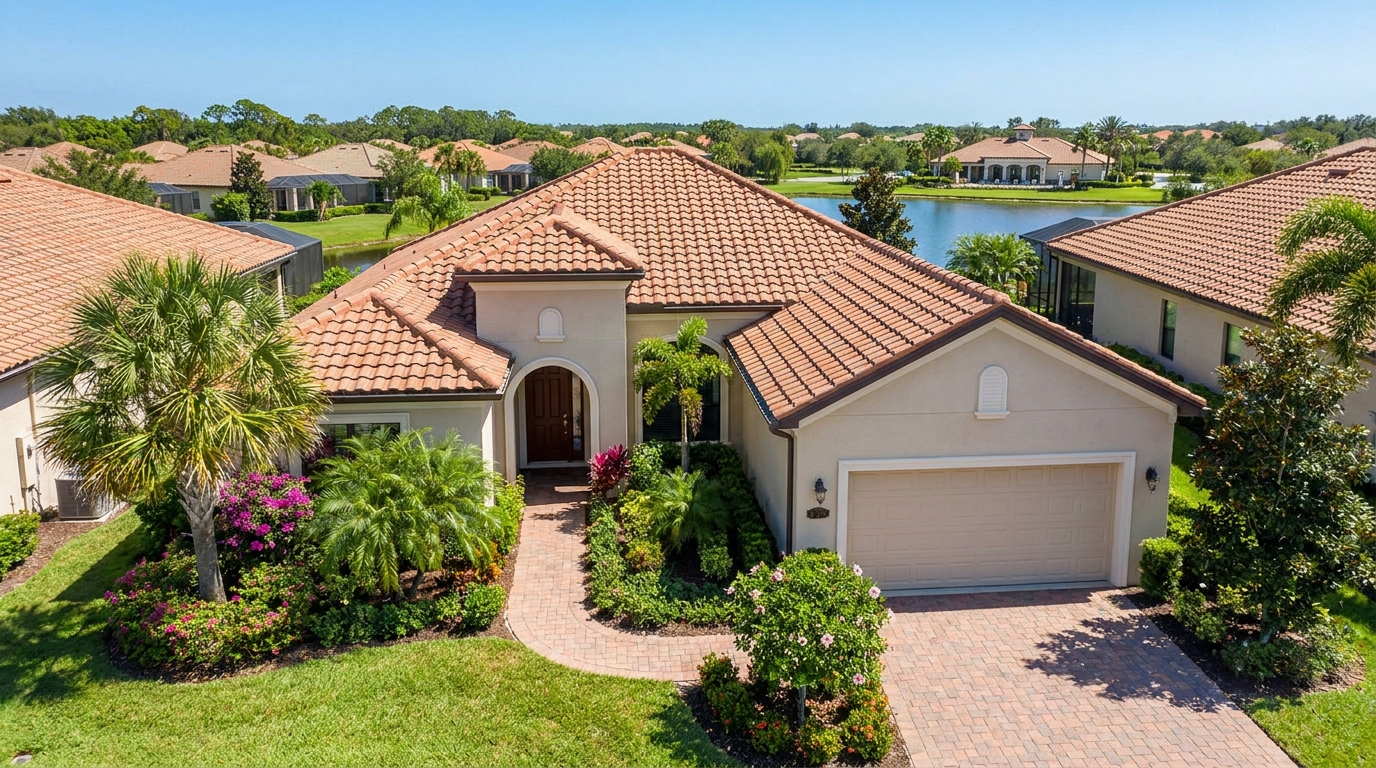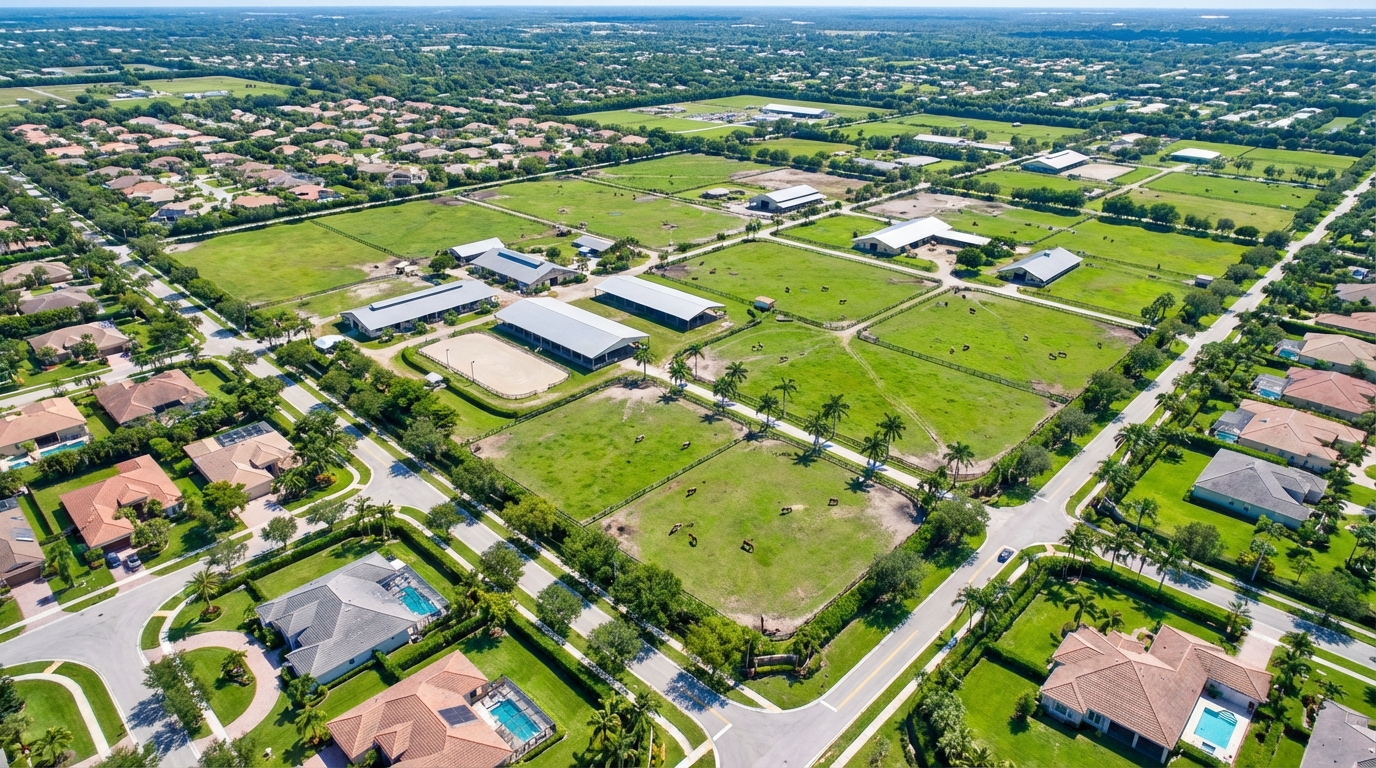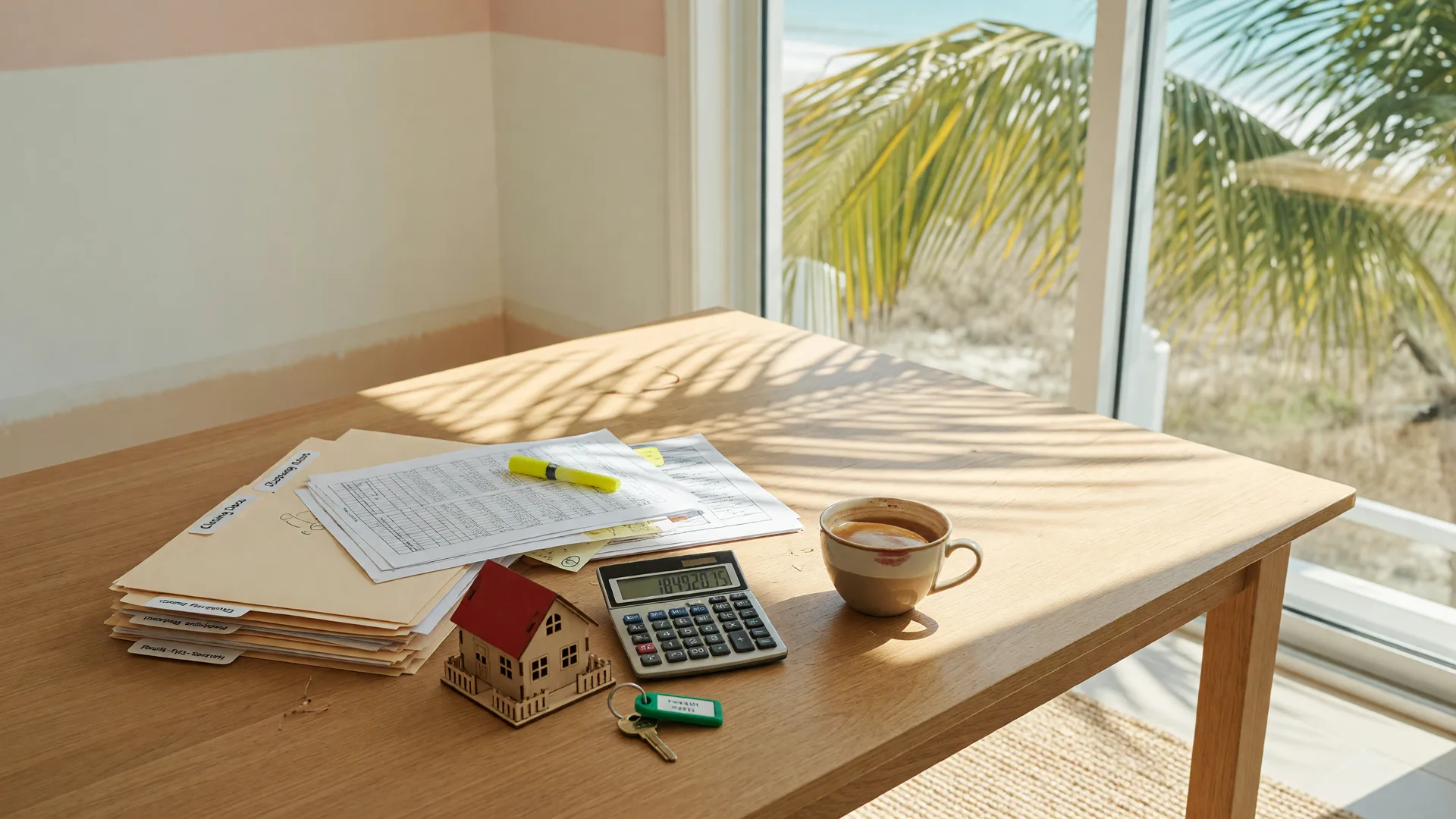
Home equity is often the financial engine behind a successful downsizing move in Palm Beach County. Home equity is the difference between what your home is worth today and what you still owe on your mortgage. When you sell your current home, that equity becomes cash at closing, and how you put it to work shapes your next mortgage, your monthly budget, and your freedom in your next chapter.
There is no single right way to use it. Some homeowners move the full amount into their next home. Others take a smaller mortgage and keep cash available. A few use equity to pay down other debts or to fund the transition itself. This guide walks through the practical options, the ways to access equity before your current home sells, and the Florida tax rules that can protect your savings when you move to a smaller home.
Hi, I am Rhonda Townsend, a Realtor with 1st Real Estate Solution Inc.. For more than 12 years I have helped Palm Beach County homeowners plan moves that make sense for their budgets and their lives, and nearly every downsizing conversation starts with the same question: what do I do with the equity in my current home? If you are early in the process, the downsizing roadmap shows where this fits into your overall plan, and the Downsizing Resource Center has guides for every step of the journey.
Key Takeaways
- Home equity is your home's current market value minus your remaining mortgage balance. You realize it as cash when you sell.
- The most common use is moving the equity into your next home, which can mean a smaller mortgage or no mortgage at all.
- If you buy before you sell, a HELOC, home equity loan, or bridge loan can provide funds in the gap, at a cost worth understanding first.
- Florida's Save Our Homes portability can carry a share of your property tax savings to a new homestead, even when you move to a lower-priced home.
- The right answer is personal. Talk with a lender and a qualified tax professional before you commit to any plan.
What Is Home Equity, and How Much Do You Actually Have?
Home equity is your home's current market value minus the balance you owe on your mortgage (or mortgages). If your home is worth $500,000 and you owe $150,000, you have about $350,000 in equity, on paper. That number matters, but the real figure you will work with at closing is the net proceeds, which is what is left after your lender is paid, plus selling costs such as commissions, title, and transfer fees.
The first step is knowing what your home is worth today, not what you paid for it. Market value moves with supply and demand, recent sales, and the condition of your home. A comparative market analysis from a local agent gives you a realistic starting number. I am happy to prepare one for you, with no obligation, so you can see where your equity stands before you plan anything else.
You will also want your exact payoff amount from your lender. Combine the two numbers and you know your equity. For a fuller picture of the selling costs that come out of your proceeds, our guide to downsizing cost estimates breaks down what to budget.
What Are the Main Ways Downsizers Use Home Equity in Palm Beach County?
Most downsizers use equity in one or more of these ways:
- Fund your next home with the sale proceeds. This is the most common path. You sell, receive your net proceeds at closing, and apply them to the purchase of your next home. Depending on the numbers, you may carry a small mortgage or none at all. Our guide to financing your next home after downsizing covers the details.
- Carry a deliberate mortgage and keep cash available. Some homeowners choose a mortgage on the next home even when they could pay cash, so they keep liquid savings for travel, health care, or unexpected expenses. There is no rule that says you must use every dollar of equity.
- Pay down higher-interest debts. Using proceeds to clear credit card or other high-rate balances can free up monthly cash flow. This is a financial decision that deserves a conversation with a qualified financial professional, because every situation and tax picture is different.
- Cover the transition itself. Moving, packing, storage, and new furniture for a smaller home all come out of your cash flow. Budgeting for these before you close keeps the move smooth. The service cost guide gives realistic ranges.
- Keep a reserve for your next community. A new association may carry monthly fees, reserves, and the possibility of special assessments. Setting aside a cushion for your first years in the new home is a common and sensible move. Our guide to HOA fees and special assessments explains what to expect.
Should You Tap Your Equity Before Your Current Home Sells?
In most cases, homeowners wait for closing, because the sale itself releases the equity. But if you want to buy your next home first, or you need certainty about funds before your listing closes, there are options to access equity early:
- Home equity line of credit (HELOC). A revolving credit line secured by your current home. You draw what you need and repay it when the home sells, but it adds a payment and closing costs, so the true cost deserves a close look.
- Home equity loan. A fixed lump sum borrowed against your equity and repaid over a set term. Useful when you know the exact amount you need, but it means a second payment until your home sells.
- Bridge loan. Short-term financing that bridges the gap between buying your next home and selling your current one. These loans carry their own fees and are meant to be repaid quickly, typically when your current home closes.
Each of these tools adds cost and complexity, so look at them only when buying first genuinely serves your goals. The trade-offs between selling first and buying first are covered in depth in our sell first or buy first guide, and I can connect you with lenders who handle coordinated closings in Palm Beach County.
How Does Florida's Save Our Homes Portability Work When You Downsize?
For homeowners with a Florida homestead exemption, one of the most valuable equity-adjacent moves you can make is protecting your property tax savings. The Save Our Homes amendment caps how much a homesteaded home's assessed value can rise each year. Portability lets you transfer the accumulated difference between your old home's market value and its capped assessed value to a new Florida homestead, up to a $500,000 cap.
Here is the part that surprises downsizers: when you move to a lower-priced home, you do not forfeit the benefit entirely. You transfer a proportional share. The Palm Beach County Property Appraiser's example is a home with a just value of $300,000 that is assessed at $200,000, a $100,000 assessment difference. If your next home has a just value of $180,000, you can transfer 60 percent of the benefit ($180,000 divided by $300,000), which comes to $60,000 of assessment reduction on the new homestead.
To qualify, you must have had a homestead exemption on the prior home, make the new home your primary Florida homestead, and file Form DR-501T with the county property appraiser, typically within three tax years. The new homestead application generally carries a March 1 deadline. You can start at the Property Appraiser's portability page.
Portability is about your property tax bill, not your equity, but it protects your household budget after the move, which is why it belongs in any downsizing financial plan. Our Florida homestead and downsizing page explains the basics, and the homestead amendment guide covers recent changes. Confirm your own numbers with the property appraiser and a qualified tax professional before acting.
An Equity Checklist for Palm Beach County Downsizers
- Get a current comparative market analysis of your home to establish today's market value.
- Request a mortgage payoff statement so you know your exact balance.
- Review your mortgage terms for prepayment rules that could affect paying it off at closing.
- Check your homestead status and whether Save Our Homes portability applies to your planned move.
- Decide with your tax professional how much equity to reinvest in the next home versus keep available.
- Get pre-approved with a lender who understands coordinated sale and purchase closings.
- Budget for closing costs, moving, and any updates you plan for the next home.
- Compare monthly costs across your shortlist of communities, from association fees to insurance. Our best communities for downsizing guide is a useful starting place.
You can see how each step fits into the bigger picture on the Sell and Buy Strategy page, which explains how I coordinate both transactions on one timeline.
What Should You Ask Your Lender and Your Tax Professional?
You do not need to become a finance expert to make a confident decision. You need the right questions and a team you trust.
- How will my sale proceeds be applied at closing, and what documents will I need to provide?
- If I buy first, what are the true costs, rates, and timelines of a HELOC or bridge loan?
- Does a larger down payment change my interest rate or the total cost of the loan?
- Can I carry my homestead tax savings to the new home, and which form do I file with the property appraiser?
- How does paying off my current mortgage and taking a new one affect my monthly cash flow and my overall financial plan?
Working with a local agent who understands the timing of Palm Beach County closings keeps the sale and the purchase on one calendar, so your equity moves from one home to the next without unnecessary gaps. That coordination is a big part of what I do for downsizing clients, and you can learn more about working with me.
Build Your Equity Plan With a Local Guide
Your equity is the starting point of a strong downsizing plan. Let us look at what your current home could bring and how those proceeds can work in your next chapter. Schedule a free downsizing consultation to review your numbers, or send me a message. You can also download the free Palm Beach County Downsizing Guide for the full step-by-step plan.
Frequently Asked Questions
Do I have to use all of my equity when I buy my next home?
No. Some homeowners roll the full amount into the next home, while others take a mortgage on purpose and keep cash available for travel, reserves, or flexibility. The right balance depends on your goals, your other assets, and what a qualified financial professional recommends for your situation.
What actually happens to my equity at closing when I sell?
At closing, your lender is paid the remaining mortgage balance from the sale proceeds first. Selling costs such as commissions, title, and transfer fees are also settled, and the remaining net proceeds are paid to you, typically by wire or check. The closing agent provides a settlement statement that itemizes every number.
Can I downsize if I still have a mortgage on my current home?
Yes, most downsizers do. The sale pays off the existing mortgage, and the remaining equity can fund part or all of the next purchase. If you need financing for the new home, your lender will review your full picture, including the current sale, your credit, and your planned down payment.
Is a HELOC a good idea for a downsizing move?
A HELOC can be useful when you want to buy your next home before your current one sells, because it gives you access to equity during the gap. It also adds fees, an interest rate, and a payment to manage. Whether it makes sense depends on your timeline and budget, so review the numbers with your lender before committing.
Does portability still help if my next home is worth less than my current one?
Yes. When you downsize to a lower-priced home, you transfer a proportional share of your Save Our Homes assessment difference, up to the $500,000 cap, rather than the full amount. The calculation depends on both home values, so it is worth running with the county property appraiser and a qualified tax professional.
Sources
- Palm Beach County Property Appraiser: Save Our Homes Portability
- Palm Beach County Property Appraiser: Property Search
- Florida Department of Revenue
- Consumer Financial Protection Bureau
- Florida Realtors Market Reports
- National Association of Realtors
Disclaimer
This article is for general educational and real estate information purposes only. It does not provide legal, tax, financial, or lending advice. Home equity, financing options, property tax benefits, and personal situations are unique, and laws, rates, and costs change over time. Always confirm current details with your lender, a qualified tax or financial professional, and official county and state sources before making decisions.

Written by Rhonda Townsend
1st Real Estate Solution Inc. Broker Associate · 12+ Years in Palm Beach County
Have questions about your downsizing journey? I'd love to have a conversation. No pressure, no obligation — just honest guidance from someone who understands.
Schedule a Free Consultation