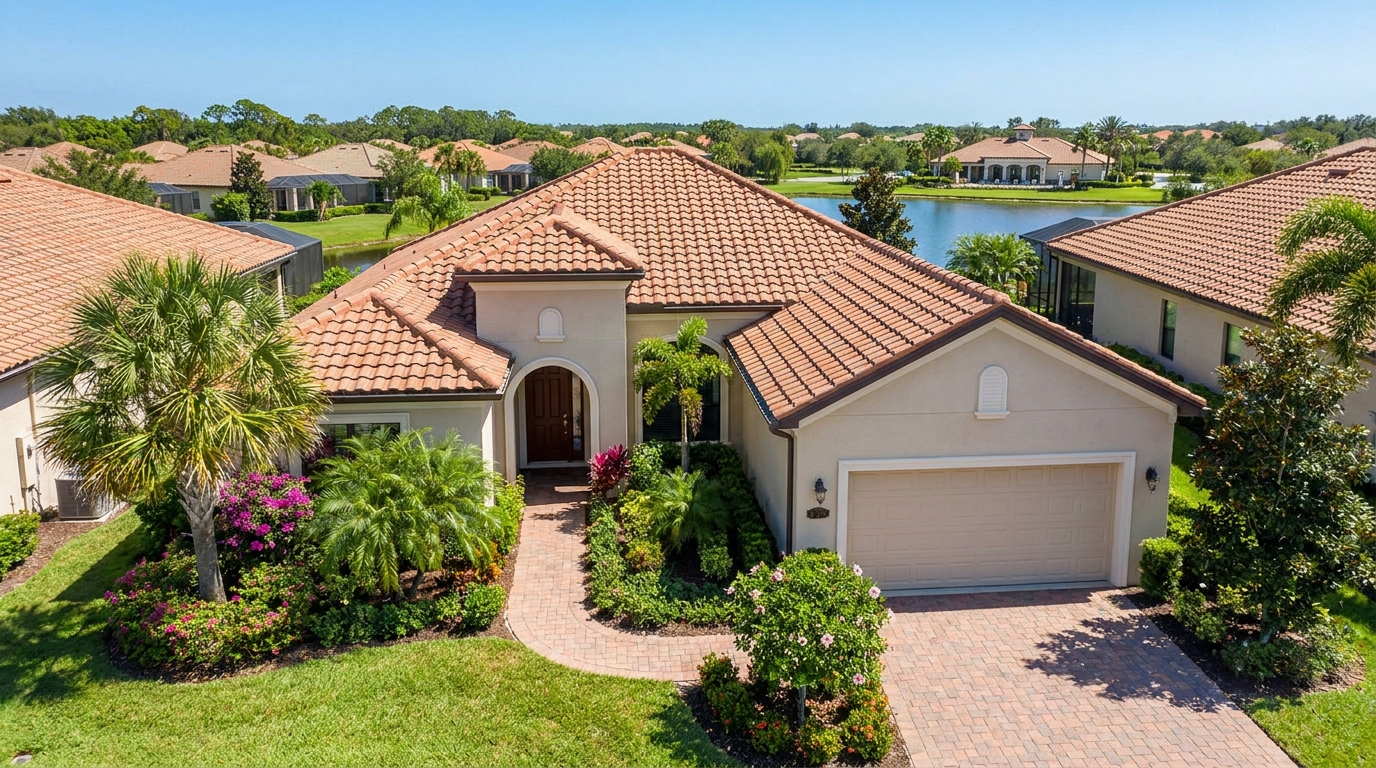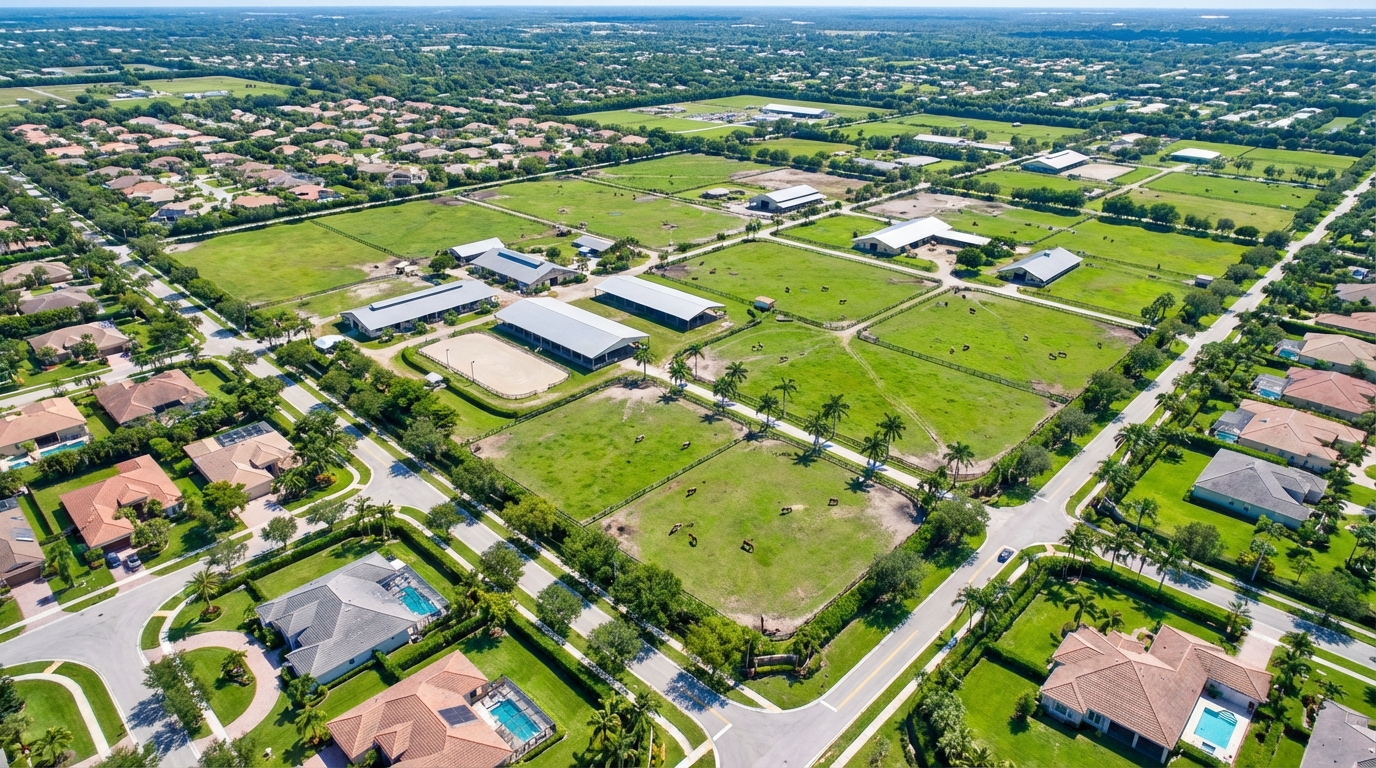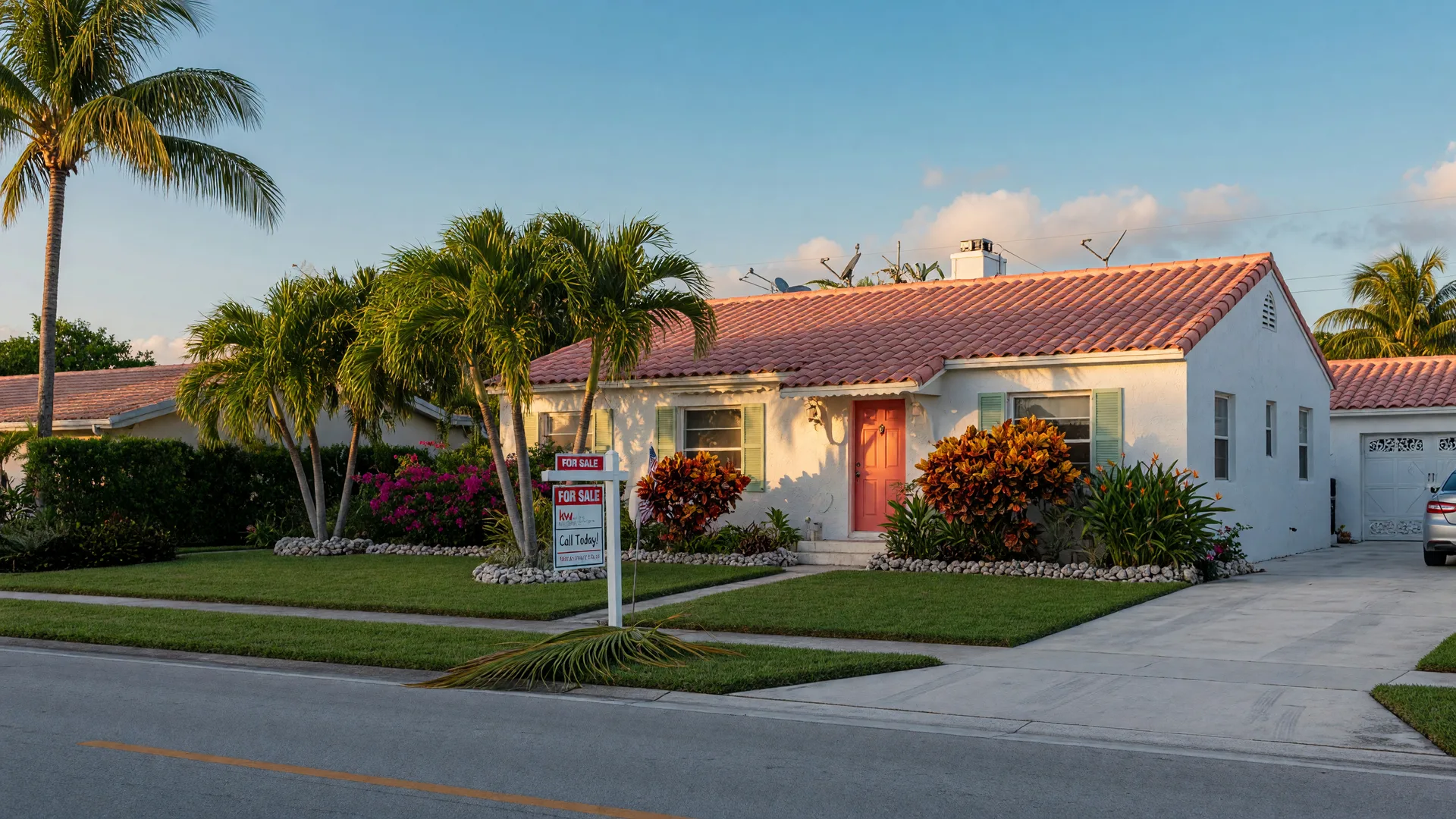
Your home's market value is what a willing buyer would pay for it today, and knowing it is the first step in any downsizing plan. In Palm Beach County there are three reliable ways to estimate it: check the Property Appraiser's public record, review recent comparable sales, and get a Comparative Market Analysis from a local agent. Each gives you a different kind of information, and together they give you a realistic picture of what your current home could sell for.
That number matters because it drives everything that comes next. Your home's value determines the equity you can move into your next home, the size of your budget, and whether downsizing frees up cash or simply changes your monthly costs. The good news is that estimating value is not guesswork. It is a process you can start on your own today and refine with a local professional before you list.
Hi, I am Rhonda Townsend, a Realtor with 1st Real Estate Solution Inc. serving West Palm Beach, Wellington, Lake Clarke Shores, and communities across Palm Beach County. For more than 12 years I have helped homeowners understand what their property is worth and use that number to plan a confident move. The Downsizing Resource Center holds guides for every stage of the journey, and the downsizing roadmap shows where a home valuation fits into your overall plan.
Key Takeaways
- Market value is not the same as assessed value. The Property Appraiser's number is set for tax purposes and is often below what a long-held homestead would sell for.
- Comparable sales are the most reliable guide. Recently sold homes similar to yours in size, age, condition, and location tell you more than any single online estimate.
- A Comparative Market Analysis (CMA) from a local agent is an estimate built from real sold data, and it is the practical tool most sellers rely on.
- Online estimators are a starting point, not a price. Use them for a ballpark, then confirm with local sold data and an agent.
- Your home's value drives your downsizing budget. Knowing it lets you estimate equity, compare it to your next home's cost, and plan with confidence.
What Is the Difference Between Market Value and Assessed Value?
This is the most common point of confusion, and it matters. Market value is what a buyer would actually pay for your home today. Assessed value is what the Palm Beach County Property Appraiser sets for tax purposes.
Under Florida's Save Our Homes amendment, a homesteaded property's assessed value can rise no more than 3 percent per year, while a non-homesteaded property is capped at 10 percent. Because of those caps, a home you have owned for many years often has an assessed value well below its true market value. That is why the assessed value on your tax bill is not a reliable guide to what your home would sell for.
When a property sells, Florida law requires the appraiser to remove the exemptions and reassess the property so the assessed value resets to its just, or market, value effective the January 1 after the sale. For more on how homestead protections follow you to a new home, see our guide to Florida homestead portability when downsizing.
How Do I Look Up My Home's Record With the Palm Beach County Property Appraiser?
The Property Appraiser maintains a free public database called PAPA (Public Access to Property Appraiser data). You can search by address, owner name, or parcel number to see your property's just value, assessed value, exemptions, and recent sales history. It is an excellent free starting point, and it is the same official record used for taxation countywide.
You can reach the search through the Palm Beach County Property Appraiser website. Keep in mind that the value shown there is a tax value set on January 1 of each year, not a live sale price, so treat it as context rather than a listing price.
What Are Comparable Sales and Why Do They Matter?
Comparable sales, or "comps," are recently sold homes similar to yours. They are the foundation of how real estate professionals estimate value in Palm Beach County. An agent or appraiser selects homes that are close in size, age, condition, and location, then adjusts for differences such as lot size, home style, room count, upgrades, and waterfront access.
Price per square foot is a useful shorthand, but it is only part of the picture. A waterfront home, a larger lot, or a fully updated kitchen can command a noticeably different price per square foot than a similar-sized home without those features. That is why the best comps are the ones closest to your home in the most ways, not just the closest in price.
For a sense of where the broader market sits, the July 2026 Palm Beach County market report shows a median sale price of $531,500 with a median of 43 days on market. Countywide averages blend waterfront estates with modest villas, so your individual home's value depends on your specific street, condition, and community.
What Does a Comparative Market Analysis (CMA) Include?
A CMA is the practical estimate most sellers use before listing. A local agent prepares it from real market data, and it typically includes:
- Sold comparables: similar homes that closed recently, with their final sale prices.
- Active listings: similar homes currently on the market, which show what you are competing with.
- Pending sales: homes under contract, which hint at where the market is heading.
- Adjustments: dollar or percentage changes for differences in condition, size, lot, and features.
- Price per square foot: a cross-check across the comparable set.
A CMA is an estimate, not an appraisal. An appraisal is a formal opinion prepared for a lender, while a CMA is the pricing tool an agent uses to help you decide on a listing strategy. For more on setting the right list price, see our guide to pricing your home.
How Can I Estimate Value Myself Before Calling an Agent?
You can build a solid first estimate on your own in an afternoon. Here is a practical sequence:
- Look up your property record in the Property Appraiser's PAPA database for the official tax values and your last sale date.
- Pull three to five recently sold homes in your neighborhood that are close to yours in size, age, and condition. Note their final sale prices and price per square foot.
- Compare each comp to your home honestly. Note differences in lot size, updates, condition, and any features like a pool, lake view, or waterfront access.
- Check what similar homes are currently listed for, since buyers compare your home to what else is for sale.
- Use an online estimator for a rough starting point only, then weigh it against the sold data you collected.
If the picture feels uncertain, that is normal. A local agent who knows your neighborhood can sharpen the estimate and explain the reasoning behind it.
What Local Factors Move Value in Palm Beach County?
Several local factors can raise or lower your home's value beyond the basics of size and condition:
- Waterfront and proximity to the coast: canal, lake, and ocean access are among the strongest value drivers in the county.
- Community and amenities: gated communities, pools, clubhouses, and well-funded associations can add value, while high fees or special assessments can affect buyer interest.
- Condition and updates: kitchens, bathrooms, roofing, and impact windows matter more than ever to today's buyers.
- Lot and location: larger lots, quiet streets, and walkability to shops or dining all factor in.
- Neighborhood and schools: demand varies by area, which is why the same floor plan can sell for different amounts in different towns.
Because these factors shift by neighborhood, a home in Wellington can value very differently from a similar home in West Palm Beach. Our guide to the best communities for downsizing compares these areas side by side.
How Does Knowing Your Home's Value Fit Into a Downsizing Plan?
Your home's value is the starting number for your entire budget. Once you estimate it, you can subtract your remaining mortgage and the costs of selling to arrive at your equity, which becomes buying power for your next home. Our guide to using home equity when downsizing walks through exactly how sale proceeds become a budget.
From there, compare that buying power to the price range of the villas, condos, and lower-maintenance homes you are considering. The gap, or the surplus, tells you whether downsizing frees up cash for retirement and travel or simply trades one monthly cost for another. Our guide to the real cost of downsizing shows how to build that full comparison, and the Sell and Buy Strategy page explains how I coordinate both sides of the transaction.
Your Home Valuation Checklist for Downsizing
- Pull your property record from the Palm Beach County Property Appraiser.
- Collect three to five recent sold comps in your neighborhood.
- Compare your home to each comp on size, condition, updates, and lot.
- Check current active listings to see what buyers can choose from.
- Use an online estimator as a rough cross-check only.
- Book a free market analysis with a local agent to refine the number.
- Estimate your equity and compare it to the cost of your next home.
Ready to Learn What Your Home Could Sell For?
Knowing your home's value is the first step toward a confident downsizing plan, and it costs nothing to get a clear, personalized picture. I would love to run the numbers with you, with no pressure and no obligation. Schedule a free downsizing consultation, send me a message, or download the free Palm Beach County Downsizing Guide to start at your own pace.
Frequently Asked Questions
Is the Property Appraiser's value the same as what my home will sell for?
Not necessarily. The Property Appraiser sets assessed value for tax purposes, and under Save Our Homes it can rise only 3 percent per year for a homesteaded property. A long-held home's assessed value is often well below its market value, so it is not a reliable sale-price indicator.
How accurate are online home value estimators?
Online estimators are a useful starting point, but they rely on automated data and often miss condition, upgrades, and neighborhood nuances. Treat them as a ballpark and confirm with recent sold comparables and a local agent before making financial decisions.
What is the difference between a CMA and an appraisal?
A Comparative Market Analysis is an estimate a real estate agent prepares from recent sold data to help you set a listing price. An appraisal is a formal, licensed opinion of value usually ordered for a lender. For pricing your home to sell, a CMA is typically the practical first step.
How much equity will I have after selling?
Equity is your home's market value minus your remaining mortgage and the costs of selling, including commission, title, and transfer costs. Once you have a realistic value estimate, we can run these numbers together to see what proceeds you would have for your next home.
When should I get my home valued before downsizing?
Early, before you make big decisions. Knowing your home's value helps you set a realistic budget, decide between selling first and buying first, and plan your timeline. A free market analysis early in the process saves you from planning around a number that does not hold up.
Related Resources
- Downsizing Resource Center - Browse the full collection of downsizing guides and insights.
- The Palm Beach County Downsizing Roadmap - Follow the step-by-step process from goals to closing.
- How to Use Home Equity When Downsizing - Turn sale proceeds into buying power.
- The Real Cost of Downsizing - Build a complete budget for your move.
- Sell and Buy Strategy - Coordinate both transactions with confidence.
- Contact Rhonda Townsend - Reach out to start the conversation.
Sources
- Palm Beach County Property Appraiser: Market vs. Assessed Value FAQ
- Palm Beach County Property Appraiser: Navigate PAPA Public Access
- Florida Realtors Market Reports
- National Association of Realtors
Disclaimer
This article is for general informational purposes only and does not constitute legal, tax, financial, or real estate investment advice. A home's value is an estimate that changes with market conditions and individual property details. Verify all figures with current sources, and consult a qualified professional for guidance specific to your situation.

Written by Rhonda Townsend
1st Real Estate Solution Inc. Broker Associate · 12+ Years in Palm Beach County
Have questions about your downsizing journey? I'd love to have a conversation. No pressure, no obligation — just honest guidance from someone who understands.
Schedule a Free Consultation