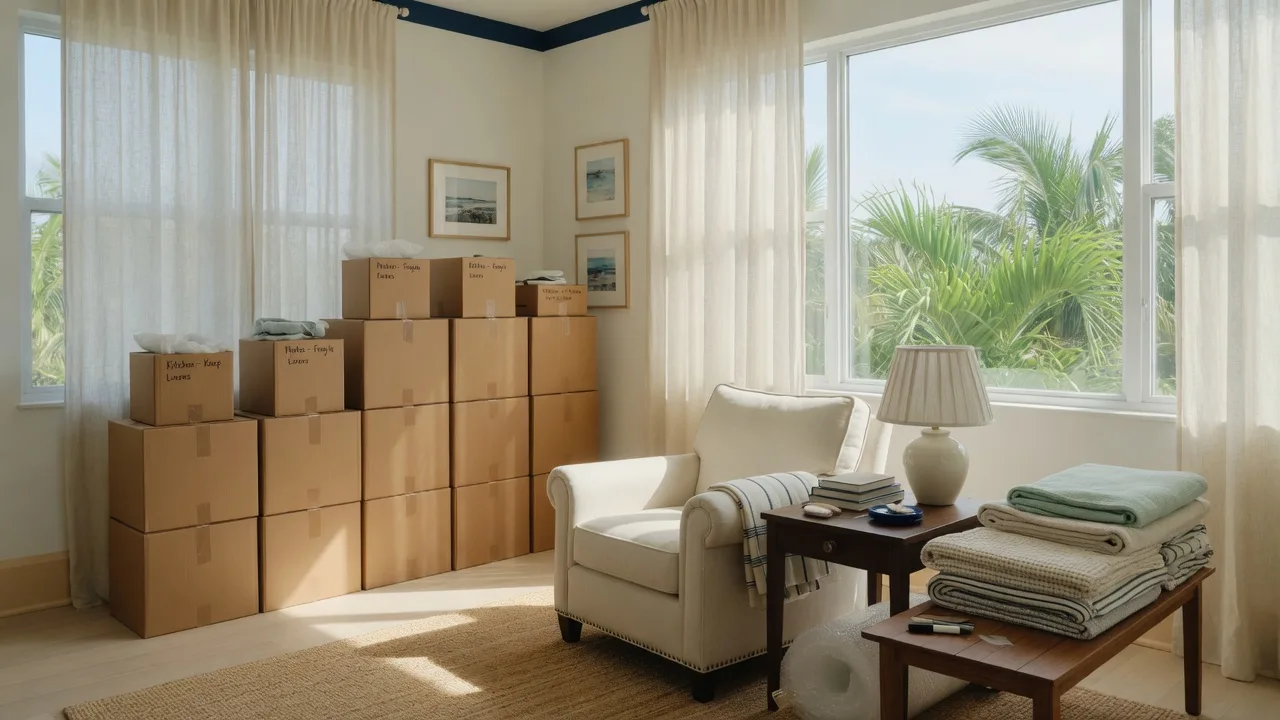
When you downsize, your furniture is usually the largest physical and emotional part of the move. The practical answer is to work in three steps: get the floor plan of your next home, decide what genuinely fits the life you are moving toward, and give every other piece a clear destination, whether that is keep, sell, donate, gift, or responsible disposal. Handled in that order, furniture becomes a manageable project instead of a reason to delay your move.
Every Palm Beach County downsizing move is different. A homeowner trading a four-bedroom house in Wellington for a villa in the same community faces very different furniture decisions than someone moving into a downtown West Palm Beach condo with an elevator and tighter hallways. What most moves share is the opportunity: a smaller home is a chance to keep only what you use and love, and to choose each remaining piece on purpose.
Hi, I am Rhonda Townsend, a Realtor with 1st Real Estate Solution Inc.. For more than 12 years I have helped Palm Beach County homeowners sell a larger home and move into the right smaller one, and furniture planning is often the first question we work through together. This guide walks through every option for the pieces you leave behind. The Downsizing Resource Center has deeper guides on each stage, and the 8-step downsizing roadmap shows where furniture decisions fit into your overall timeline.
Key Takeaways
- Start with the floor plan. Measure the rooms, doorways, stairs, and elevators of your next home before you decide what to keep.
- Use one clear decision for every piece: keep, sell, donate, gift, or dispose, and act on each item in the same session.
- Sell and give away furniture early so you are not paying movers to carry pieces you were going to release anyway.
- Large items need special handling. Mattresses, sofas, and appliances often require pickup programs or a haul-away service, so plan for them first.
- Furnish the smaller home on purpose. Choose pieces that fit its scale and your lifestyle instead of moving the whole collection from a larger house.
First, What Should You Keep?
Start with the destination, not the furniture. Before you sort a single room, get the floor plan of your next home, or the closest thing to it, and measure the rooms you will actually use. Note the widths of doorways, hallways, and any stairs or elevators in a condo or villa building. A piece can fit the floor plan and still never make it through the front door, so the measuring step protects your time and your back.
Next, list the pieces you use weekly and the pieces you genuinely love. For many downsizers the keep list is smaller than expected: seating for everyday life, a table for meals and guests, beds that fit each bedroom, and the few family pieces that earn their space. Our guide to what to look for in your next home helps you picture the rooms you will furnish, and the home options pages show the layouts in Palm Beach County villas, condos, townhomes, and single-story homes.
What Are Your Options for the Furniture You Do Not Keep?
Once the keep line is drawn, every other piece needs a destination. Most households use a mix of these options:
- Sell. Online marketplaces, consignment shops, and community sales can turn furniture into cash that heads straight toward your next home or your moving budget.
- Donate. Local charities across Palm Beach County accept household goods, and several offer furniture pickup, which can be the easiest way to clear a large piece.
- Gift. When a family member or friend wants a piece, let them claim it early and arrange pickup, rather than storing it in the garage for a promise.
- Consign. Consignment shops sell quality pieces on your behalf and pay you when they sell. This works best when you can wait a few weeks or months for the payout.
- Recycle or dispose. Worn mattresses, broken furniture, and items past their useful life belong in the right recycling or disposal stream, and Palm Beach County publishes drop-off guidance for residents.
Start early, because every option needs lead time. Our guide to decluttering before downsizing explains how to sort everything with a simple keep, donate, sell, or gift decision, and furniture is the natural first pass because it is the largest and hardest to move.
How Do You Sell Furniture Before a Downsize Move?
- Price it to move. Online buyers and moving-sale shoppers are looking for a deal, and the goal is cash in hand before closing, not top dollar on every piece.
- Photograph in daylight. Clean the piece, open the curtains, and shoot from a few angles so buyers can see the condition honestly.
- List the large pieces first. Sofas, dining sets, and bedroom furniture take the longest to sell, so they go up early; smaller decor can sell in the final weeks.
- Use a consignment shop for quality items. You trade a share of the sale price for the shop's space, traffic, and handling.
- Hold a moving sale for everything left. One weekend can clear dozens of smaller items, and whatever remains can move to donation or disposal before the movers arrive.
Timing is the whole game. Selling early means you never pay movers to carry pieces you were going to release anyway, and it protects you from the last-minute scramble of clearing a house by a closing date. The guide to creating a downsizing timeline shows how selling, donating, and packing fit onto one calendar without rushing.
Where Can You Donate Furniture in Palm Beach County?
The Habitat for Humanity of Greater Palm Beach County ReStore, Goodwill donation centers, and The Salvation Army accept household goods across the county. Policies differ by location: some centers offer furniture pickup, others take drop-offs only, and most require items to be in resalable condition. Call ahead, describe the piece, and confirm pickup rules before you load the car.
Ask for a donation receipt at every stop. It documents the value of your gift for tax purposes and gives you a clean record of where each piece went. Donating also supports your sale: a home that is lighter and easier to show helps buyers picture their own life in the space, which is part of the preparing your home for sale process.
What About Large, Heavy, or Hard-to-Move Pieces?
Mattresses, sofas, armoires, and appliances need special handling, and they are the pieces most likely to stall a downsizing plan. Start with the retailer and the community: many mattress and furniture retailers offer old-item removal when you buy a replacement, and Palm Beach County bulk pickup programs take oversized items on a schedule. For everything else, a junk removal or haul-away service can clear a full house in a morning. Our cost estimates for downsizing services gives realistic ranges for cleanout, hauling, and junk removal so you can budget for it.
What Does It Cost to Move and Store the Furniture You Keep?
Every piece you keep is a piece you pay to move, and every piece you are unsure about is a piece you pay to store. Local moves within Palm Beach County commonly run $600 to $3,500 or more depending on home size, and climate-controlled storage units run from about $120 to $650 per month, which matters in South Florida heat and humidity. The moving day logistics guide explains how movers charge and what you can do yourself, and the ultimate downsizing checklist keeps the furniture decisions on the same calendar as everything else.
How Do You Furnish a Smaller Home?
Scale is everything in a smaller footprint. A few well-chosen pieces that fit the rooms will always feel better than a crowded collection, and most downsizers find they need noticeably less than they expect. Look for furniture that works harder: a dining table that doubles for projects, nesting or lift-top pieces that disappear when not in use, and storage pieces that match the closets and built-ins of the new home. Lighter colors and less visual weight help a villa or condo feel open and calm.
Before you buy anything new, spend a weekend living in the space with what you kept, then fill only the gaps. Community guides like the Palm Beach County community guides and the best communities for downsizing post help you compare layouts and lifestyle before you commit, so your furniture plan matches the home instead of fighting it.
A Furniture Plan Checklist for Your Palm Beach County Move
- Get the floor plan of your next home and measure rooms, doorways, hallways, stairs, and elevators.
- List the pieces you use weekly and the few you love, and mark them as the keep core.
- Decide keep, sell, donate, gift, or dispose for every remaining piece, and act in the same session.
- List large sellable pieces online or with a consignment shop first, since they take longest to sell.
- Call donation centers to confirm furniture pickup policies and resalable-condition rules before loading the car.
- Ask for a donation receipt wherever you drop off household goods.
- Check mattress, appliance, and bulk pickup programs early for large items you cannot sell or donate.
- Book movers and any haul-away or junk removal service with your move date confirmed.
- Budget for moving and any short-term storage, and compare it with the cost of selling instead.
- Furnish the smaller home gradually, starting with the pieces that make daily life comfortable.
The furniture plan connects directly to the rest of the move. The Sell and Buy Strategy page explains how I coordinate the sale, the purchase, and the move itself on one timeline, and the guide to downsizing without feeling overwhelmed keeps the whole project feeling doable.
Plan Your Furniture and Your Move With a Local Guide
You do not have to figure out the sizing, the timing, or the vendors alone. I can help you picture what will work in each community and home type in your shortlist, and connect you with movers, donation pickups, and cleanout services that know Palm Beach County. Schedule a free downsizing consultation, send me a message, or download the Palm Beach County Downsizing Guide for the complete step-by-step plan.
Frequently Asked Questions
How early should I start dealing with furniture before a downsize move?
Ideally start two to three months before your target move date. Large pieces take the longest to sell, donation pickups book up, and you want the furniture decisions finished before packing and listing work begins. If your timeline is short, prioritize the rooms buyers will see first.
What is the fastest way to sell furniture before downsizing?
Pricing realistically and photographing well accelerates most sales. Online marketplaces reach the widest audience, a weekend moving sale clears the smaller items, and a consignment shop handles quality pieces on your behalf. Large items should be listed first because they take the longest to sell.
Which charities pick up furniture in Palm Beach County?
The Habitat for Humanity of Greater Palm Beach County ReStore, Goodwill donation centers, and The Salvation Army accept household goods across the county. Pickup availability varies by location and time of year, so call ahead, confirm what they accept, and request a donation receipt.
Should I store furniture or sell it before moving to a smaller home?
For most downsizers, selling is the better choice. Storage postpones the decision, adds a monthly cost, and usually means facing the same sorting task later with a deadline. If you genuinely need a short transition, keep the storage period limited and budgeted rather than open-ended.
How do I know if my furniture will fit in my next home?
Measure both the piece and the path it must travel. Compare widths and heights against doorways, hallways, stair landings, and any elevator or stair dimensions in a condo or villa building. When in doubt, ask your Realtor for the room dimensions of the specific home, since listings and floor plans do not always show every angle.
Sources
- Habitat for Humanity of Greater Palm Beach County ReStore
- Goodwill of South Florida
- The Salvation Army, West Palm Beach
- National Association of Realtors: Home Selling and Staging Resources
- Florida Realtors Market Reports
Disclaimer
This article is for general educational and real estate information purposes only. It does not provide legal, tax, financial, moving, or property-inspection advice. Donation policies, pickup schedules, disposal rules, and moving and storage costs change over time, and every home and household is different. Confirm current details with the organizations, movers, and professionals you plan to use, and with official county and state sources, before making decisions.

Written by Rhonda Townsend
1st Real Estate Solution Inc. Broker Associate · 12+ Years in Palm Beach County
Have questions about your downsizing journey? I'd love to have a conversation. No pressure, no obligation — just honest guidance from someone who understands.
Schedule a Free Consultation